
Chaga: birch mushroom for immunity and antioxidants
Chaga (Inonotus obliquus) – properties, effects on immunity and antioxidants, dosage 500–1000 mg of extract, interactions with warfarin and kidneys. Guide 2026.
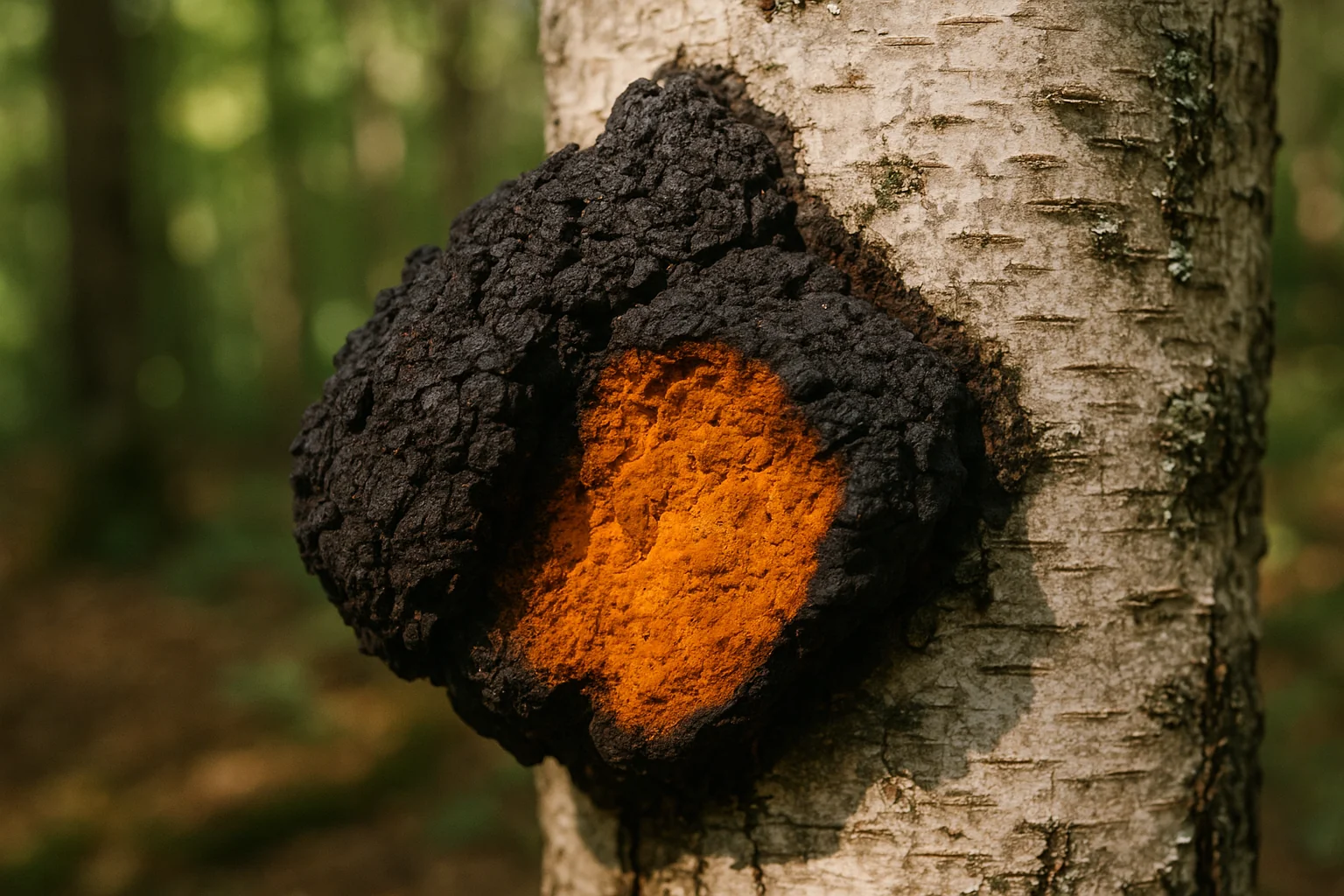
Chaga is a fungus that looks like a lump of coal attached to a birch - black, hard, almost metallic on the outside, but with a warm, orange-yellow interior. For centuries, Siberian hunters and Finnish gatherers brewed it as tea for immunity, longevity, and energy. Modern science has discovered something specific in chaga: the highest concentration of antioxidants among all known fungi and some of the highest among all natural products in general (ORAC ~150,000 μmol TE/100g, for comparison: berries have ~9000). Does this mean chaga is a 'superfungus'? What properties are truly documented by research? And what should you know about its safety before you start drinking it regularly? This article answers these questions.
KEY INFORMATION
• Chaga has an ORAC of ~150,000 μmol TE/100g - the highest among known fungi; for comparison: berries ~9000, green tea ~1253 (per 100 g) - data from Glamoclija et al. (Phytomedicine, 2015).
• The β-glucans in chaga activate macrophages and NK cells through the Dectin-1 receptor - an immunomodulation mechanism similar to reishi and lion's mane.
• Chaga contains oxalates - chronic use of high doses may lead to oxalate nephropathy; safe dosing is 500-1000 mg of extract daily.
• Betulinic acid isolated from birch (accumulated by chaga) exhibits anticancer activity in vitro - it inhibits the proliferation of cancer cells by inducing apoptosis.
What is chaga and why does it grow on birch?
Inonotus obliquus is a parasitic fungus attacking live birch trees in cold climates: Siberia, Scandinavia, Poland (especially pine-birch forests in Podlasie and Masuria), Canada. The fungus penetrates the wood of the birch and metabolizes the components of the bark and wood over 5-25 years, accumulating them in its mass - these are sterols, betulinic acid, melanin, polysaccharides, and many others. The black outer layer (sclerotium) is melanin that protects the fungus from UV radiation. The orange interior contains the active ingredients.
An important and often overlooked detail: chaga grows exclusively on live or recently dead birches, never on other tree species - this distinguishes it from many forest parasitic growths. 'Chaga' from spruce, pine, or oak is a different species or a common wood growth - without the properties of Inonotus obliquus. Before purchasing a chaga product, check if the manufacturer specifies the species and botanical source. Wild-harvested chaga from Siberia or Scandinavia is traditionally highly valued.
Chemical composition of chaga - what accounts for its properties?
The bioactivity of chaga is multidimensional and comes from several groups of compounds. Glamoclija et al. (Phytomedicine, 2015) conducted a comprehensive analysis of the composition of chaga and its biological activities, identifying four key categories:
Melanina: The highest concentration of melanin among living organisms - responsible for the black color and exceptionally high antioxidant activity. Chaga melanin acts as a 'radical trap' - capturing reactive oxygen species (ROS) with exceptional efficiency. It is responsible for the ORAC of ~150,000.
Kwas betulinowy i betulina: Triterpenes accumulated from birch bark by the fungus. Betulinic acid exhibits anti-proliferative effects on cancer cells in vitro - particularly against melanoma, prostate cancer, and breast cancer. Mechanism: induction of mitochondrial apoptosis. No clinical RCTs on cancers in humans.
β-glucans (polysaccharides): Similar to those in reishi and lion's mane - activate innate immunity through Dectin-1 and TLR. Chaga has a rich profile of β-glucans, although their concentration is lower than in reishi.
Sterole i inotodiol: Unique sterols with antifungal and immunomodulating effects. Inotodiol is a triterpene unique to chaga and exhibits antiviral activity in vitro against several strains of viruses.
Chaga for immunity - clinical studies and mechanisms
β-glucans from chaga activate immune cells through the Dectin-1 receptor and TLR2/TLR4 receptors on macrophages and dendritic cells. The result is an increase in the production of TNF-α, IL-1β, IL-6, and IL-12, which coordinate the innate immune response. In vitro studies and animal models document a 30-50% increase in NK cell activity and an increase in CD4+ T lymphocyte counts after supplementation with water extracts from chaga.
Direct clinical RCTs on chaga and immunity in humans are few compared to reishi. Most studies come from Russia and Finland (traditional producers), where the methodological quality varies. Review by Glamoclija et al. (2015) In summary: chaga exhibits strong immunomodulatory, antioxidant, and anti-inflammatory effects in vitro and in animal models, with promising but preliminary clinical data. For clinical applications related to immunity, reishi is better studied.
Chaga and safety - oxalates and drug interactions
Chaga is generally safe in standard doses, but there are two areas of risk that are rarely discussed.
Szczawiany (oxalates): Chaga contains significant amounts of oxalates - soluble salts of oxalic acid. Prolonged consumption of large amounts (above 5-10 g/day for many months) may lead to the accumulation of oxalates in the kidneys and the formation of kidney stones. Cases of oxalate nephropathy have been reported in Japanese patients consuming very large amounts of chaga as a "cancer cure." Standard supplemental doses of 500-1000 mg of extract per day are safe. Individuals with a history of oxalate kidney stones should exercise particular caution.
Warfarin and anticoagulants: Chaga may enhance the effects of anticoagulants similarly to reishi. Mechanism: betulinic acid and polysaccharides may inhibit platelet aggregation and enhance the anticoagulant effect of warfarin. When undergoing anticoagulant treatment, consulting a physician is essential before incorporating chaga.
Leki hipoglikemiczne: Chaga polysaccharides exhibit hypoglycemic effects in animal models. Individuals with diabetes taking metformin, insulin, or other blood sugar-lowering medications should monitor their blood glucose when introducing chaga and consult with an endocrinologist.
Our observations: Among all functional mushrooms, chaga is the easiest to incorporate into a daily routine through tea. Its flavor - a delicate bitterness, a hint of vanilla, something between black tea and decaffeinated coffee - is generally neutral and can be consumed without sweetening. Using the same pieces 2-3 times (steeping in water at 70-80°C several times in a row) is biochemically justified - polysaccharides and melanin are gradually released over several brews.
Chaga and cancer - what is really known?
Chaga is being intensively studied for its anticancer effects, but it is important to distinguish between what has been proven in vitro/animal studies and what has been clinically confirmed in humans.
In vitro (cell cultures): betulinic acid and chaga polysaccharides inhibit the proliferation of cells from various cancer lines - melanoma, breast cancer, colon cancer, and liver cancer. The mechanisms include induction of mitochondrial apoptosis, inhibition of the cell cycle in the G0/G1 phase, and inhibition of angiogenesis. Badanie Youn et al. (World Journal of Gastroenterology, 2009) It has been shown that chaga extract inhibited tumor growth in mice by 60% compared to control, without toxicity to healthy tissues.
In animal models: several studies on mice have confirmed anticancer effects - both through direct action on cancer cells and through immunological stimulation that enhances the body's ability to fight cancer. Particularly interesting are the results regarding the inhibition of metastasis - chaga polysaccharides seem to inhibit the migration of cancer cells.
In humans: there are no controlled clinical trials (RCT) evaluating chaga as an oncological intervention. All clinical data are case reports or observations of low methodological quality. Chaga is not a cancer cure and should not replace conventional oncological therapy. It may be used as an immune-supporting supplement during cancer therapy, similar to reishi, but always in consultation with the treating oncologist.
Chaga vs reishi - when to choose which mushroom?
Chaga and reishi are the two most popular functional mushrooms used to support immunity. They often appear together in supplements. However, they differ in their activity profiles, and it is important to understand these differences when making a choice.
Chaga has an advantage in: antioxidant activity (incomparably higher ORAC), hypoglycemic action (polysaccharides and inhibition of alpha-glucosidase), flavor as tea (milder, easier to drink daily), and availability in the wild in Poland (can be foraged in Polish forests). Reishi has an advantage in: adaptogenic action (triterpenes modulating the HPA axis and GABA), effects on sleep (clinically proven), broader clinical documentation in RCTs, and a more symmetrical immunomodulatory profile.
If your main goal is antioxidant protection, support in inflammatory conditions, and strengthening basic immunity - chaga is a good choice. If you are looking for an adaptogen for stress and sleep with concurrent immunological action - reishi is better suited. Many people use both simultaneously in lower doses of each (e.g., chaga 500 mg in the morning + reishi 500 mg in the evening), benefiting from complementary activity profiles while reducing the dose of each supplement for better stomach tolerance.
How to prepare chaga tea and how to use the extract?
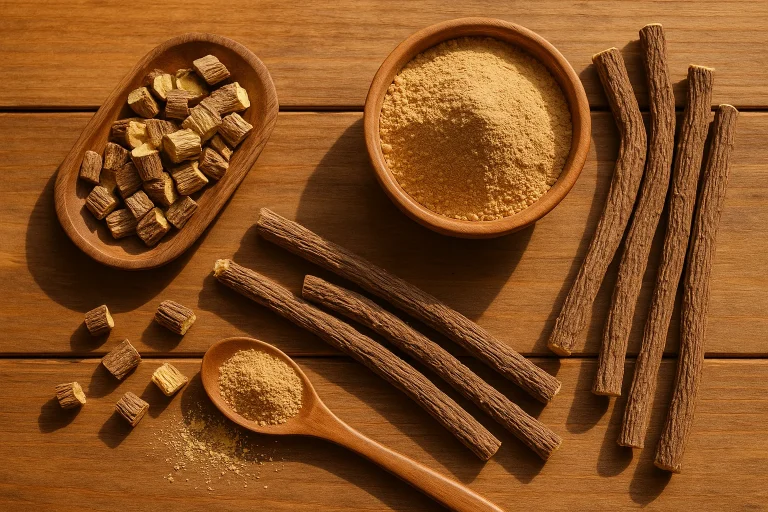
Chaga is available in several forms: chunks of dried fruiting body, ground powder, water extract in powder or capsule form. Each form requires slightly different preparation.
Tea from chunks: Pour 1-3 g of pieces (the size of a small coin) with water at 70-80°C (not boiling water - temperatures above 90°C can destroy some active polysaccharides). Steep for 10-15 minutes. The tea has a dark brown color and a slightly earthy, vanilla flavor. You can use the same pieces 2-3 times a day. In Russian tradition, chaga is boiled for several hours as "chaga decoction" - this method yields a higher concentration of polysaccharides but may destroy heat-sensitive melanin fractions.
Proszek mielony: 1/4 teaspoon (about 1 g) to hot water, plant milk, or coffee. The powder has low bioavailability without extraction - the "dual extraction" form or just the water extract is better.
Extract in capsules: 500-1000 mg daily in the morning or evening with a meal. A water extract standardized to 20-30% β-glucans is the optimal choice for chaga.
Chaga pairs well with coffee (reducing its acidity through the natural buffering effect of polysaccharides), cocoa, bitter tea, or as a separate drink at any time. It is not a stimulant and does not interfere with sleep - you can drink it in the evening. More about combining mushrooms in one drink can be found in the article. Coffee with mushrooms - what is it and how does it work.
Winter preparation of chaga as an "adaptogenic winter drink": pieces of chaga + slices of ginger + orange peel + cinnamon steeped together in water at 75°C for 15-20 minutes create a drink with a complex flavor, rich in antioxidants and anti-inflammatory substances from all four ingredients. This decoction can be stored in the refrigerator for 2-3 days and reheated as needed - chaga polysaccharides are stable in the cold. It’s a simple and tasty way to supplement chaga daily without capsules and powders, close to Siberian and Finnish traditions.
Chaga and its effect on inflammation
Chaga has strong anti-inflammatory properties based on several mechanisms. Polysaccharides and melanin inhibit the production of nitric oxide (NO) by LPS-activated macrophages and reduce the expression of pro-inflammatory enzymes (COX-2 and iNOS). Betulinic acid inhibits NF-κB - a key transcription factor regulating the production of pro-inflammatory cytokines.
In the context of chronic low-grade inflammation - which underlies most civilization diseases, from atherosclerosis to type 2 diabetes - regular consumption of chaga may exert a long-term protective effect through its antioxidant and anti-inflammatory mechanisms. However, there is a lack of clinical RCTs directly assessing these indications in humans. Chaga as part of a health-promoting diet rich in antioxidants (alongside cruciferous vegetables, berries, and green tea) has a logical biochemical justification, although the isolated clinical effect of supplementation requires better evidence.
For a comparison of the antioxidant properties of chaga with reishi and lion's mane, read the article Reishi - the mushroom of immortality for immunity and stress.
Frequently Asked Questions
What is chaga and where does it come from?
Inonotus obliquus is a parasitic fungus growing on birches in the cold climates of Siberia, Scandinavia, and Poland. It forms a black-orange growth over 5-25 years, accumulating bioactive compounds from the bark and wood of the birch. During this long growth period, the fungus accumulates melanin, betulinic acid, and polysaccharides in exceptionally high concentrations. It has the highest ORAC (~150,000 μmol TE/100g) among known mushrooms - data from Glamoclija et al. (2015).
What properties does chaga have?
Four main confirmed properties: antioxidant (melanin, ORAC 150,000), immunomodulatory (β-glucans activating NK and macrophages), anti-inflammatory (betulinic acid inhibits NF-κB, polysaccharides inhibit COX-2), and hypoglycemic (polysaccharides modulate glucose metabolism). The first two are the most strongly documented.
Jakie dawkowanie chagi jest skuteczne?
Extract 500-1000 mg/day standardized to 20-30% β-glucans. Raw powder: 1-3 g/day. Tea: 1-3 g of pieces steeped in water at 70-80°C for 10-15 minutes. Immunological effects after 4-8 weeks of regular use. Do not use more than 3-5 g of powder long-term due to oxalates.
Czy chaga jest bezpieczna?
In standard doses of 500-1000 mg of extract daily - yes. However, chaga contains oxalates, which with prolonged consumption of large amounts may cause kidney stones. Individuals with a history of kidney stones and those taking warfarin or hypoglycemic medications should consult their doctor before using chaga.
How to prepare chaga tea?
Pour 1-3 g of pieces with water at 70-80°C. Steep for 10-15 minutes. You can use the same pieces 2-3 times. The tea has a slightly earthy and vanilla flavor, without a distinct bitterness. Do not use boiling water (above 90°C) to preserve sensitive polysaccharide fractions.
Does chaga affect blood sugar?
In vitro and animal studies suggest hypoglycemic action by inhibiting alpha-glucosidase. There are no clinical RCTs in humans. Individuals with diabetes taking hypoglycemic medications should monitor their blood glucose when incorporating chaga and consult with a diabetologist - possible additive reduction in blood sugar requiring adjustment of medication doses.
This article is for informational and educational purposes and does not replace consultation with a doctor. If you are pregnant, breastfeeding, taking medications, or have chronic conditions, consult the use of supplements or herbs with a specialist.
Author: Michał Waluk · Published: 2026-05-04 · Updated: 2026-05-04