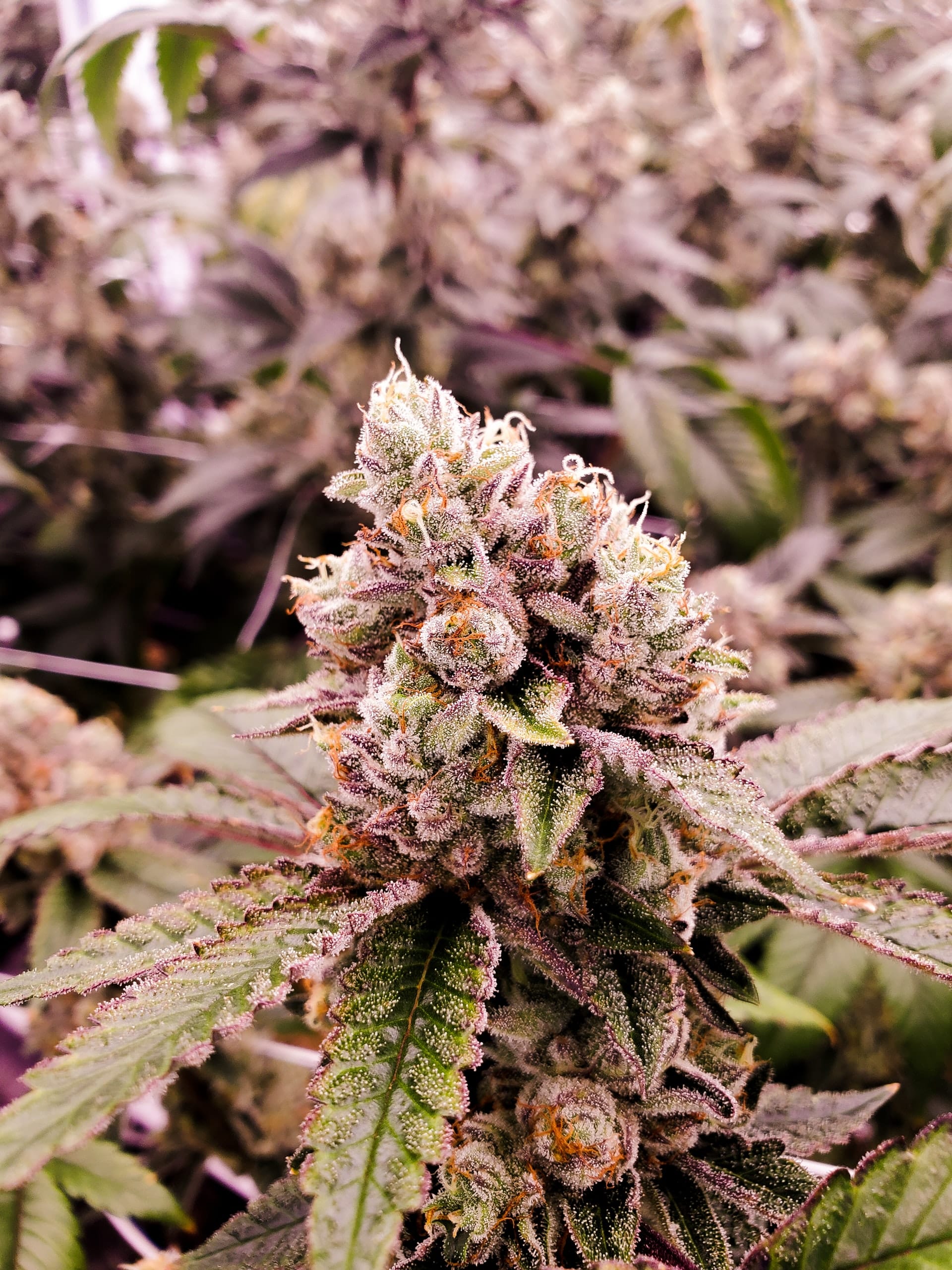

CBG – what is it?
CBG - what is it?
Cannabinoids are a group of chemical compounds naturally occurring in cannabis that have significant effects on the human body. Among them is CBG (cannabigerol), which, while not as widely recognized as THC or CBD, is gaining increasing attention for its potential health benefits and therapeutic potential. In this article, we'll take a closer look at CBG—its definition, discovery history, chemical structure, and differences from other cannabinoids.
Definition and History of CBG Discovery:
CBG is one of over 100 known cannabinoids found in the cannabis plant. It is the earliest synthesized cannabinoid, appearing in the plant's young flower buds and leaves before being converted into other forms, such as THC (tetrahydrocannabinol) and CBD (cannabidiol).
The discovery of CBG dates back to the 1960s, when scientists first isolated it from cannabis. However, for a long time, it remained overshadowed by more well-known cannabinoids such as THC and CBD. Only in recent years has CBG gained popularity thanks to growing interest in the medicinal potential of cannabis and the development of extraction technologies that allow for more efficient extraction of this cannabinoid.
CBG Chemical Structure:
CBG is a chemical compound with a unique structure that differs from other cannabinoids. Its molecular formula is C17H25NO2, and its primary structure is based on a triterpene skeleton, similar to other cannabinoids. However, CBG has an additional hydroxyl group (-OH) attached to the B ring, which gives it unique chemical and biological properties.
Compared to THC and CBD, CBG has a less complex chemical structure. For example, THC contains an additional cyclopentane ring, while CBD has a different position of the double bond in its side chain. These structural differences influence how CBG interacts with cannabinoid receptors, which in turn determines its pharmacological effects.
Occurrence in Nature and Methods of Obtaining:
CBG occurs naturally in cannabis, but its concentration is much lower than that of THC or CBD. It typically constitutes less than 1% of dry plant weight, making its large-scale extraction difficult and expensive.
CBG extraction methods include supercritical CO2 extraction and traditional solvent extraction methods, such as acetone or alcohol extraction. Modern technologies enable more efficient CBG extraction, but the process still requires advanced infrastructure and expertise.
Although less well-known than THC or CBD, CBG represents a fascinating and potentially beneficial substance in the world of cannabinoids. Its unique chemical structure and history of discovery underscore its role as one of the first cannabinoids isolated and open up new avenues for research into the medical and industrial applications of cannabis. As science and technology continue to advance, CBG has the potential to become a more significant player in the cannabis market, offering new ways to support health and well-being.
We encourage readers to continue exploring CBG and its potential in medicine and the cannabis industry. As our understanding of this substance continues to grow, we can expect new discoveries and innovations that will further expand our ability to utilize CBG for the benefit of human health.
Cannabinoids are a group of chemical compounds naturally occurring in cannabis that have significant effects on the human body. Among them is CBG (cannabigerol), which, while not as widely recognized as THC or CBD, is gaining popularity due to its potential health benefits. In this article, we'll take a closer look at CBG, its definition, discovery history, chemical structure, and differences from other cannabinoids.
Definition and History of CBG Discovery
Definition:
CBG, or cannabigerol, was one of the first cannabinoids discovered in the hemp plant (Cannabis sativa). It is a precursor to other well-known cannabinoids, such as THC (tetrahydrocannabinol) and CBD (cannabidiol). Unlike these two compounds, CBG occurs in cannabis plants at a very early stage of development.
History of Discovery:
The first mention of cannabinoids appeared in the 1940s, when scientists began studying the cannabis plant for potential medical applications. CBG was identified as one of the key cannabinoids in 1964 by Israeli chemist Raphael Mechoulam, who also discovered THC and CBD. Since then, CBG has remained in the shadow of its more famous cousins until recent years, when interest in cannabinoids has begun to grow worldwide.
Chemical Structure and Differences from Other Cannabinoids
Chemical Structure:
CBG, like other cannabinoids, belongs to a group of organic compounds called terpenophenones. Its chemical structure is based on a benzene ring connected to two side chains. The main differences between CBG and THC and CBD lie in the presence of additional functional groups and the arrangement of carbon atoms, which give it unique chemical properties.
Differences in Relationship to THC and CBD:
- THC: CBG differs from THC primarily in the presence of a hydroxyl group (-OH) on the benzene ring, which contributes to its psychoactive activity. Unlike THC, CBG does not exhibit hallucinogenic effects or sensory disturbances.
- CBD: CBG and CBD have similar structures, but differ in the presence of an additional side chain in CBD and the absence of a hydroxyl group on the benzene ring in CBG. These differences determine their interactions with the body's endocannabinoid system and their impact on health.
Although less well-known than THC and CBD, CBG possesses unique properties that make it a promising candidate for further scientific research. Its chemical structure suggests potential use in treating a variety of health conditions, from neurodegenerative diseases to skin problems and inflammation. Although CBG remains overshadowed by its more popular cousins, its potential is undeniable, and the future may bring new discoveries that will further expand our understanding of this fascinating substance.
CBG – The Fascinating Hemp Substance: Action and Mechanism of Action
Mechanism of action of CBG on the endocannabinoid system:
The endocannabinoid system (ECS) is a complex communication system within the body responsible for regulating numerous physiological processes. CBG affects this system through cannabinoid receptors (CB1 and CB2), which are found primarily in the brain and peripheral nervous system, but also in other tissues.
CB1 receptors are located primarily on neurons and glial cells in the brain, and their activation leads to changes in synaptic function and neurotransmission. CB2 receptors, on the other hand, are found primarily on the surfaces of immune cells such as T lymphocytes, macrophages, and monocytes, where they regulate inflammatory and immunological processes.
Anti-inflammatory effects of CBG:
One of the most promising aspects of CBG's effects is its ability to reduce inflammation in the body. Animal studies have shown that CBG can inhibit the production of proinflammatory cytokines such as TNF-α and IL-1β, which are key to inflammatory processes. Furthermore, CBG can stimulate the synthesis of endocannabinoids and anandamide, further contributing to inflammation modulation.
Potential applications in the treatment of neurodegenerative diseases:
CBG has interesting properties that may be useful in combating neurodegenerative diseases such as Alzheimer's and Parkinson's. Research on nerve cells suggests that CBG may inhibit processes leading to neuronal loss and reduce oxidative stress in the brain. Furthermore, CBG appears to have antioxidant and anti-inflammatory effects, which may help protect nerve cells from damage.
Impact on the immune system:
CBG also has the potential to modulate the immune system. It can inhibit the overactivity of immune cells, which may be beneficial in autoimmune diseases and in alleviating allergic reactions. Furthermore, CBG may support wound healing and tissue regeneration, which holds promise in the treatment of injuries and skin conditions.
Safety of CBG use:
Although CBG is a natural compound derived from plants, it's important to be aware of potential interactions with other medications and possible side effects. Research to date indicates CBG's low toxicity, but further research is necessary to fully understand its safety profile.
Summary and future prospects:
CBG remains a cannabinoid with enormous therapeutic potential, and its effects on the human body are still being studied. Its ability to modulate inflammation, support the immune system, and exert neuroprotective effects make it a promising candidate for treating numerous conditions. Although CBG is currently less understood than THC and CBD, its role in medicine may expand significantly in the future.
CBG is a cannabinoid that deserves the attention of both scientists and patients seeking new treatment options. Its unique properties and potential applications open up new possibilities for treating inflammatory, neurodegenerative, and other health conditions. As CBG research progresses, we can expect a deeper understanding of its effects and mechanisms, which will bring even greater benefits to human health.
CBG in Medicine: New Horizons of Treatment and Health
CBG, or cannabigerol, is a cannabinoid derived from the cannabis plant (Cannabis indica) with growing importance in medicine. Its discovery and research into its effectiveness are opening up new perspectives for treating a variety of conditions. In this article, we will take a closer look at the medical applications of CBG, its impact on health, and its potential therapeutic options.
Analgesic effect of CBG
One of CBG's most well-documented effects is its potential for pain relief. Research indicates that CBG may block ion channels responsible for transmitting pain signals to the brain. This mechanism makes CBG effective in treating conditions such as:
- Neuropathic pain
- Post-traumatic pain
- Chronic pain
Impact on the immune system
CBG has been shown to modulate the body's immune response. Research suggests it may have anti-inflammatory and antioxidant effects, making it a promising treatment for inflammatory diseases such as:
- Autoimmune diseases (e.g. rheumatoid arthritis)
- Skin inflammation
- Inflammation of the intestines
Mental health support
CBG may also have a positive impact on mental health. Research suggests that this cannabinoid may:
- Reduce anxiety and depression
- Improve sleep quality
- Reduce stress-related symptoms
Its effects may be particularly beneficial for people suffering from: - Anxiety disorders
- Depression
- Mental illnesses coexisting with pain
Potential applications in cancer treatment
Although more research is needed, CBG appears to have the potential to inhibit cancer cell growth and reduce inflammation associated with cancer. These mechanisms may lead to better cancer therapy and reduced side effects of chemotherapy.
Safety of CBG use
Although CBG is generally considered safe, it's important to be aware of potential interactions with other medications and possible side effects. It's always a good idea to consult a doctor before starting CBG therapy, especially if you're taking other medications or have a chronic health condition.
The Future of CBG Research
CBG research is ongoing, and each year we discover new possibilities for this cannabinoid. As science advances, we can expect increasingly advanced CBG-based treatments to bring relief and improve the quality of life for many patients.
CBG is a promising cannabinoid with a wide range of potential medical applications. From pain relief and immune support to improved mental health and potential benefits in cancer treatment, CBG has the potential to become an important component of the therapeutic arsenal of the future. However, it's important to emphasize that further research is necessary to fully understand and harness the potential of this natural cannabis component.
The digestive system is a key element of our health, and its proper functioning affects the overall well-being of the body. In recent years, more and more attention has been paid to natural remedies that support digestive health, and one of the most promising is the cannabinoid known as CBG (cannabigerol). In this article, we'll take a closer look at its impact on the digestive system and the potential benefits it can bring in treating various gastrointestinal disorders.
CBG: What is it and where does it come from?
CBG (cannabigerol) is a natural cannabinoid found in cannabis (Cannabis indica). It is one of the most important precursors to other cannabinoids, such as THC and CBD. CBG is present in the plant throughout its lifespan, but its concentration fluctuates over time, peaking during the flowering stage.
Why can CBG be helpful for the digestive system?
The digestive system is one of the most complex systems in the human body. It is influenced by various external and internal factors, which can lead to various disorders. CBG may have a positive impact on digestive health thanks to several key properties:
- Anti-inflammatory action: Many digestive conditions, such as Crohn's disease and ulcerative colitis, are associated with inflammation. CBG may reduce inflammation by blocking pro-inflammatory enzymes and promoting the production of anti-inflammatory cytokines.
- Antibacterial properties: The digestive system is home to a diverse range of bacteria that play a crucial role in maintaining health. CBG may have antibacterial properties, which helps fight infections and maintain a balanced gut microbiome.
- Effect on intestinal motility: Some people experience gastrointestinal motility issues, such as constipation or diarrhea. CBG may regulate this function by interacting with cannabinoid receptors in the enteric nervous system.
- Mucosal barrier protection: The mucous barrier lining the digestive tract is susceptible to damage, which can lead to the development of inflammatory diseases. CBG may help protect this barrier, contributing to better digestive system function.
Research on the effects of CBG on the digestive system
Research on the effects of CBG on the digestive system is still ongoing, but the first results are promising:
- In vitro: Laboratory studies have shown that CBG has the ability to inhibit the growth of pathogenic bacteria such as Staphylococcus aureus and Salmonella typhimurium, and reduces the production of pro-inflammatory cytokines.
- On animals: In animal models, CBG has been shown to have analgesic, anti-inflammatory, and immunomodulatory effects, suggesting potential benefits in the treatment of gastrointestinal disorders.
- Clinical trials: Although human research is limited, there are reports of positive effects of CBG in treating symptoms of irritable bowel syndrome and other gastrointestinal conditions.
How to use CBG for digestive health?
CBG is available in various forms, such as oils, capsules, ointments, and edibles. To utilize its potential benefits for the digestive system, it's important to use the appropriate dosage and form:
- CBG oil: This is the most commonly used form due to its ease of access and precise dosing. It is recommended to start with a low dose, such as 5 mg per day, and then gradually increase it based on tolerance.
- Capsules: They are a convenient way to administer CBG and allow for precise dosing. It's important to choose high-quality products, free of chemical additives and with the appropriate concentration of cannabinoids.
- Food products: Many companies offer CBG-containing foods, such as teas, beverages, and snacks. However, it's important to note that absorption of cannabinoids through the digestive system may be less efficient than oral or sublingual administration.
CBG and its safety and side effects
Although CBG is considered relatively safe, like any cannabinoid, it can cause some side effects. The most commonly reported include fatigue, dry mouth, and dizziness. It's important to consult a doctor before using CBG, especially if you are taking other medications or have existing health problems.
CBG has the potential to heal and support digestive health, including reducing inflammation, protecting the mucosal barrier, and regulating gut motility. Although research is still limited, initial results are promising and suggest the potential for CBG to complement traditional treatments for gastrointestinal conditions. However, it's important to consult a doctor before using this cannabinoid.
CBG Synergy with CBD and THC: How Cannabinoid Interactions Enhance Cannabis' Medicinal Potential
Hemp, rich in a variety of cannabinoids, offers a wide range of potential health benefits. Among them, CBG (Cannabigerol), CBD (Cannabidiol), and THC (Tetrahydrocannabinol) stand out as key components with promising therapeutic properties. In this article, we'll explore how the synergy of these three cannabinoids can enhance their individual therapeutic effects and how interactions between them can open up new horizons in medical therapy.
CBG – An Unexpected Giant in the World of Cannabinoids
CBG is less well-known than CBD and THC, but recent research has revealed its promising potential in treating various conditions. CBG has anti-inflammatory and antimicrobial properties and may be particularly beneficial for the immune and digestive systems.
CBD – The Main Hero in the World of Cannabinoids
CBD, known as the main component of cannabis, has been widely studied for its antioxidant, anti-anxiety, and pain-relieving effects. CBD does not produce psychoactive effects, making it an attractive option for many users seeking natural treatments.
THC – The Controversial King of Cannabinoids
THC is the main psychoactive ingredient in cannabis and is responsible for the characteristic marijuana high. Although THC has less well-understood health benefits than CBD, research suggests its potential in treating neuropathic pain, chemotherapy-induced nausea, and muscle spasticity.
Synergy of Action – CBG and CBD in Action
CBG and CBD, working together, may enhance their individual effects through synergistic interactions. For example, CBG may enhance the anti-inflammatory effects of CBD, while CBD may reduce the potentially unwanted side effects caused by CBG.
CBG and THC – A Dangerous Romance?
The interactions between CBG and THC are less well-studied, but there is evidence to suggest they may also enhance each other's effects. Although THC is the primary psychoactive ingredient, CBG may modulate its effects, reducing potential adverse psychological effects.
Action Synergy Research – What We Know and What We Don't Know Yet
Research on the synergistic effects of CBG with CBD and THC is still ongoing, but initial results are promising. Future studies may provide more information on the optimal ratios of these cannabinoids and their potential use in treating various conditions.
Practical Application of Action Synergy – How to Use the Potential of CBG, CBD and THC?
Although research is still limited, products containing blends of these cannabinoids already exist. Users can experiment with different ratios to find the optimal combination for their individual health needs.
Safety and Long-Term Effects – What You Need to Know
While the synergistic effects of CBG, CBD, and THC offer promising therapeutic possibilities, it's important to be aware of the potential risks and long-term effects of using these cannabinoids. Consulting a doctor or specialist is crucial before beginning any cannabis therapy.
The synergistic effects of CBG, CBD, and THC open up new possibilities for the medical use of cannabis. Interactions between these cannabinoids may enhance their individual health benefits, offering a more effective and safe treatment for a variety of conditions. Although research is still ongoing, initial results are promising and suggest that cannabis could become an important tool in future treatments.