
Bad Trip – How to deal with it and how to prevent unpleasant experiences?
Marijuana bad trip - what is it and what does it look like?
Have you ever wondered what to do if you experience a sudden feeling of panic, anxiety, or confusion after taking a psychoactive substance? Did you know that the so-called. bad trip Is this a phenomenon that can happen to anyone, regardless of experience with a given substance? In this comprehensive article, we'll explore what a bad trip is, its causes, how to cope with it, and—most importantly—how to effectively prevent it from occurring. We invite you to read on, which will help you understand this complex topic and provide practical tips for the future.
What is a bad trip? – Definition and basics
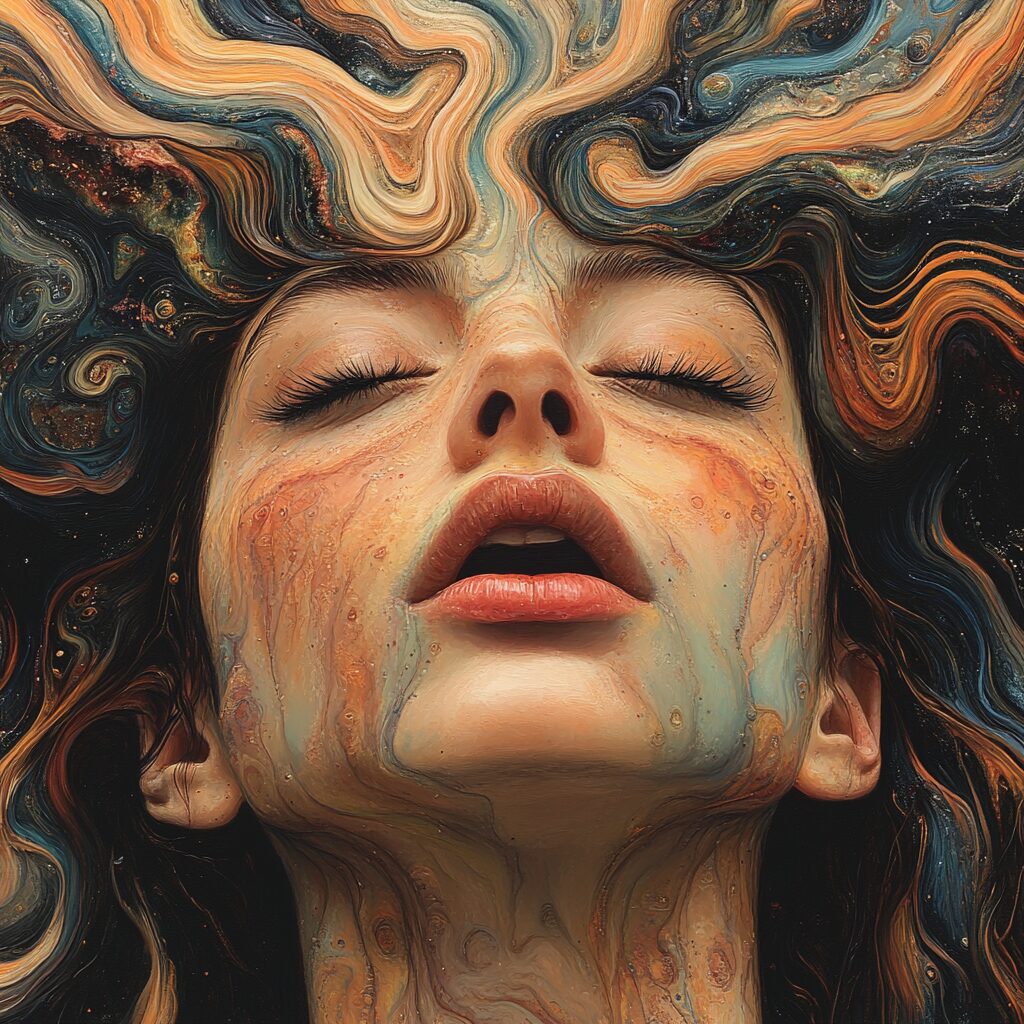
Deadline bad trip The term comes from English and literally means "bad trip." In the context of taking psychoactive substances, it refers to a negative, often very intense mental and emotional experience that can be frightening, unpleasant, and even traumatic. A bad trip is most often characterized by severe anxiety, panic, disorientation, and disturbing hallucinations.
While negative experiences after taking a substance can occur with various psychoactive substances, a bad trip is particularly associated with psychedelics such as LSD, psilocybin, DMT, and hallucinogenic mushrooms. It's worth noting, however, that a bad trip can also occur after consuming marijuana, alcohol, or other substances, especially when their effects are exacerbated by stress, fatigue, or a negative attitude.
How to recognize a bad trip?
The symptoms of a bad trip include:
- sudden, increasing fear and panic, often for no apparent reason,
- a feeling of losing control over one's mind and body,
- disorientation, feeling lost in time and space,
- unwanted, terrifying hallucinations or visions,
- a feeling that something very bad is happening, e.g. death or loss of mind,
- psychomotor agitation or, on the contrary, a feeling of paralysis,
- rapid heartbeat, shortness of breath, sweating and other somatic symptoms associated with anxiety.
A bad trip can last from a few dozen minutes to several hours, and despite the passage of time, the user often feels as if hell is never ending. This experience can leave a lasting psychological scar, especially if not properly processed.
Why do bad trips happen? – Causes and risk factors
A bad trip isn't simply the result of a psychoactive substance's "bad nature." It's the result of a complex interaction between the substance, the user's individual psychophysical state, and the environment in which the experience takes place.
1. Composition and dose of the substance
The higher the dose of a psychedelic, the greater the risk of a bad trip. Substances of uncertain purity, mixed with unknown additives, or exceeding the recommended dose can trigger unpredictable reactions. A bad trip can also result from a drug that is too strong or inappropriate, exceeding the brain's adaptive capacity.
2. The mental and emotional state of the user
This is one of the most important factors. People struggling with anxiety, depression, stress, trauma, or low mental resilience are significantly more susceptible to negative experiences. Unfavorable thoughts and worries intensify the psychoactive effect and can escalate into panic.
3. Surroundings and company
The setting, meaning the place and people with whom someone experiences the effects of the substance, also matters. An unfamiliar, noisy, or negative environment, as well as the presence of unsupportive or unfriendly individuals, can lead to feelings of threat and anxiety.
4. Lack of experience or ignorance
Inexperienced users are more likely to experience bad trips. Lack of preparation and knowledge about the effects of the substance and psychological mechanisms leads to misinterpretation of emerging sensations and a feeling of loss of control.
How to Cope with a Bad Trip? – Practical Tips and Support Methods
If you or someone you know is experiencing a bad trip, it's important to act quickly and effectively to reduce anxiety and help them get through these difficult times. Here are some proven methods and tips.
1. Stay calm and be supportive
The most important thing is not to panic. If you're near someone experiencing a bad trip, adopt a calm, composed demeanor. Your presence and reassurance that everything is under control can be very helpful. Speak in a gentle, warm tone and avoid sudden movements.
2. Create a safe, comfortable environment
Move the person to a quiet, familiar place where there will be no sudden stimuli—noise, bright lights, or crowds of people. Sometimes it's helpful to have favorite background music that the person knows well and enjoys.
3. Remind yourself of what's happening
Help remind them that this is a side effect of the substance and that it's temporary. Reiterate that the feelings will gradually subside and that nothing is truly wrong. This can help them regain a sense of control.
4. Breathing and relaxation techniques
Encourage calm, deep breathing, which can help reduce anxiety levels. Simple breathing exercises, such as inhaling through your nose for four seconds, holding your breath, and then exhaling slowly through your mouth, can significantly reduce panic.
5. Hydration and light eating
Providing water to drink and perhaps a light, healthy meal helps balance the body and can improve well-being. However, do not force a person to eat if they don't feel like it.
6. Medical support
If a bad trip is very intense, lasts a long time, or physical symptoms suggestive of danger appear (e.g., rapid heartbeat, loss of consciousness, aggression, or self-harm), seek immediate medical attention. Professional care is essential.
How to Prevent Bad Trips – Key Safety Rules
Preventing bad trips is possible and relies on proper preparation, awareness, and a smart approach. Here are the most important rules to help you minimize the risk of a negative experience.
1. Get to know the substance and its effects
Before you decide to use a medication, learn as much as you can about its properties, dosage, duration of action, and potential side effects. Knowledge is key to controlling the situation.
2. Start with a small dose
If this is your first time or you're trying a new drug, don't experiment with high doses. Smaller doses allow you to become accustomed to the effects and better control your mental reactions.
3. Maintain a positive attitude (set)
Your thoughts, emotions, and mental state have a huge impact on the experience. Before taking it, try to be relaxed, free from stress and negative emotions.
4. Choose the right setting
It's important that the place where you use your substance is quiet, safe, and preferably familiar and friendly. Having trusted people around you who can support you is very helpful.
5. Avoid mixing substances
Combining various psychoactive substances, alcohol or medications significantly increases the risk of unpredictable and dangerous reactions, including a bad trip.
6. Plan a time and place
Make sure you have plenty of free time and don't schedule any stressful tasks or contacts. The experience should take place when you can fully focus on it and relax afterward.
Examples of real-life situations and how to solve them
Let's imagine three different bad trip situations and how you might deal with them:
Case 1: First time with psilocybin, severe anxiety occurs
Janek, for the first time after taking magic mushrooms, begins to feel a growing sense of panic and thinks he's about to go mad. His friends calm him down, taking him to a quiet room where he can lie down and breathe deeply. One of them calmly explains that this is just an effect of the substance and that it won't last forever. After a few dozen minutes, the anxiety subsides, and Janek begins to enjoy the rest of the trip.
Case 2: Mixing LSD with alcohol causes disorientation
Magda decides to combine LSD with alcohol. After a while, she experiences a severe blackout, can't concentrate, and begins to panic. A friend gives her water, takes her outside for some fresh air, and reminds her that this is a temporary state. After emerging from the crisis, Magda learns that mixing substances is a risky experiment that she shouldn't repeat.
Case 3: A prolonged bad trip in a person with social anxiety disorder.
Adam, who suffers from social anxiety, takes a large dose of THC. During a bad trip, he experiences intense paranoia and believes everyone is judging him and wants to hurt him. His loved ones support him, helping him focus on the realities, using breathing techniques, and staying close. After a few hours, Adam regains his composure and the next day contacts a therapist to process the experience.
Bad Trip FAQs
1. Can a bad trip last forever?
No, a bad trip is always temporary. While subjectively it may seem like eternal suffering, the effects of most psychoactive substances subside after a few hours.
2. Can a bad trip cause permanent mental damage?
For most people, a bad trip doesn't cause lasting damage. However, for those predisposed to mental disorders, it can trigger or exacerbate problems. Therefore, a responsible approach and awareness of one's mental health are crucial.
3. Can a bad trip be prevented completely?
There is no guarantee that a bad trip will not occur, but the risk can be significantly reduced by following safety rules, conscious dosing and taking care of the set and setting.
4. How can I help someone who is having a bad trip if I don't know anything about the topic?
The most important thing is to be present, calm, and reassuring, and reminding them that this is a temporary state. If the situation becomes serious, don't be afraid to seek professional help.
Tips and best practices for conscious users
- Always have someone you trust with you who can help if something goes wrong.
- Familiarize yourself with current research and guidance on a specific substance.
- Keep in touch with users who have positive experiences and exchange knowledge.
- Avoid using substances if you are under severe stress, fatigue or negative emotions.
- After the experience, take time to reflect and, if necessary, talk to a therapist or support group.
Comparison of the most common psychoactive substances in terms of the risk of a bad trip
| Substance | Risk of a bad trip | Typical negative symptoms | More vulnerable user profile |
|---|---|---|---|
| L.S.D. | High | Hallucinations, fears, paranoia, disorientation | People with anxiety, depression, and no experience |
| Psilocybin (mushrooms) | Medium to high | Panic, delusions, feeling of losing control | Novices, people in poor mental condition |
| THC (marijuana) | Medium | Anxiety, paranoia, feeling overwhelmed | People with a predisposition to anxiety and paranoia |
| MDMA | Low to medium | Perception disorders, anxiety | Dehydrated and mentally overloaded people |
| Alcohol | Low to medium | Lightheadedness, anxiety, disorientation | People with low tolerance and in poor condition |
Summary – key conclusions and encouragement for a conscious approach
A bad trip is a difficult and unpleasant experience that can occur when taking psychoactive substances, especially psychedelics. Its causes are complex and include factors related to the substance itself, the user's mental state, and their environment. However, with appropriate knowledge, preparation, and care for oneself and others, the risk of these negative experiences can be minimized.
Remember that safety and health—both physical and mental—are paramount. If you decide to explore consciousness through substances, do so consciously, responsibly, and in the company of people who support you. If you experience any difficulties, don't be afraid to seek help—whether from loved ones or professionals.
Now that you know what a bad trip is and how to deal with it, you can approach the topic with greater peace of mind and confidence that you have the tools to ensure your safety and comfort.
I encourage you to reflect on your own approach and share this knowledge with your friends – awareness is the first step to safe, positive experiences.
Additional resources and where to find help
If you have had difficult experiences related to the use of psychoactive substances, it is worth knowing where you can get support and further help:
- Harm Reduction Organizations – Many countries have groups and foundations dedicated to educating and helping people who use substances. An example is TalkingDrugs or MAPS (Multidisciplinary Association for Psychedelic Studies).
- Crisis support lines – in Poland there are telephone numbers and chats available to help people in mental crisis, e.g. 116 123 – Helpline for Adults in Emotional Crisis.
- Mental health clinics – if a bad trip has left a lasting impression or caused a deterioration in your well-being, it is worth consulting a specialist.
- Online forums and support groups – there are many communities focused on the topic of conscious and safe use of substances, where you can share experiences and get help.
Developments in research on bad trips and psychedelics
A growing number of scientists worldwide are studying the effects of psychedelics, both positive and negative. Clinical studies indicate that, under controlled conditions, substances such as psilocybin and LSD can be useful in treating mental disorders such as depression, PTSD, and anxiety. However, it is emphasized that proper patient preparation and therapeutic support are crucial to minimize the risk of a bad trip.
It is also important to develop tools to predict and monitor the risk of negative experiences, which will allow for even better protection of users and improvement of security standards.
Inspirational quotes to end with
„"The most important lesson is knowing yourself—even if there are difficult moments along the way. A bad trip, though unpleasant, can become an impulse for deeper reflection and growth."”
– Anonymous psychedelic user
„Conscious use is not only a pleasure, but also a responsibility towards yourself and others.”
– Mental health expert