
Reishi mushroom (Ganoderma Lucidum) – how does it affect the human body?
A comprehensive guide to reishi mushroom (Ganoderma lucidum): composition, mechanisms, clinical studies (Cochrane 2016), dosing, forms, contraindications, and interactions.
KEY INFORMATION
- Reishi mushroom (Ganoderma lucidum) contains over 400 bioactive compounds, including ganoderic triterpenoids, beta-1,3/1,6-glucans, LZ-8 peptidoglycans, and sterols (Wachtel-Galor, NIH, 2011).
- A Cochrane review from 2016 involving 373 cancer patients did not confirm the unequivocal efficacy of reishi in cancer treatment as monotherapy, suggesting only a supportive role in immunomodulation (Jin et al., Cochrane, 2016).
- Typical research doses range from 1.5 to 9 g of powdered fruiting body daily or 1.44 g of standardized extract, used for 8-16 weeks (Phytotherapy Research, 2021).
- Reishi does NOT cure cancer. It inhibits platelet aggregation and may interact with warfarin, chemotherapy, and immunosuppressive drugs – consultation with a doctor is mandatory.
- Water extracts (hot water) mainly contain polysaccharides; ethanol extracts concentrate triterpenoids. Cracked spores have higher bioavailability of ganoderic acids.
Reishi mushroom, botanically known as Ganoderma lucidum, or lakownica żółtawa in Polish, is one of the oldest raw materials in Eastern medicine and has been under scrutiny by Western pharmacology for over two decades. According to a meta-analysis published in Phytotherapy Research (2021), over 1200 papers on this species were published between 2015 and 2020. Nevertheless, clinical evidence in humans remains limited and ambiguous. In this article, we discuss what is truly known about the mechanisms of action of reishi, what forms of supplementation exist, dosages, and risks that should not be ignored.
What is reishi mushroom (Ganoderma lucidum)?
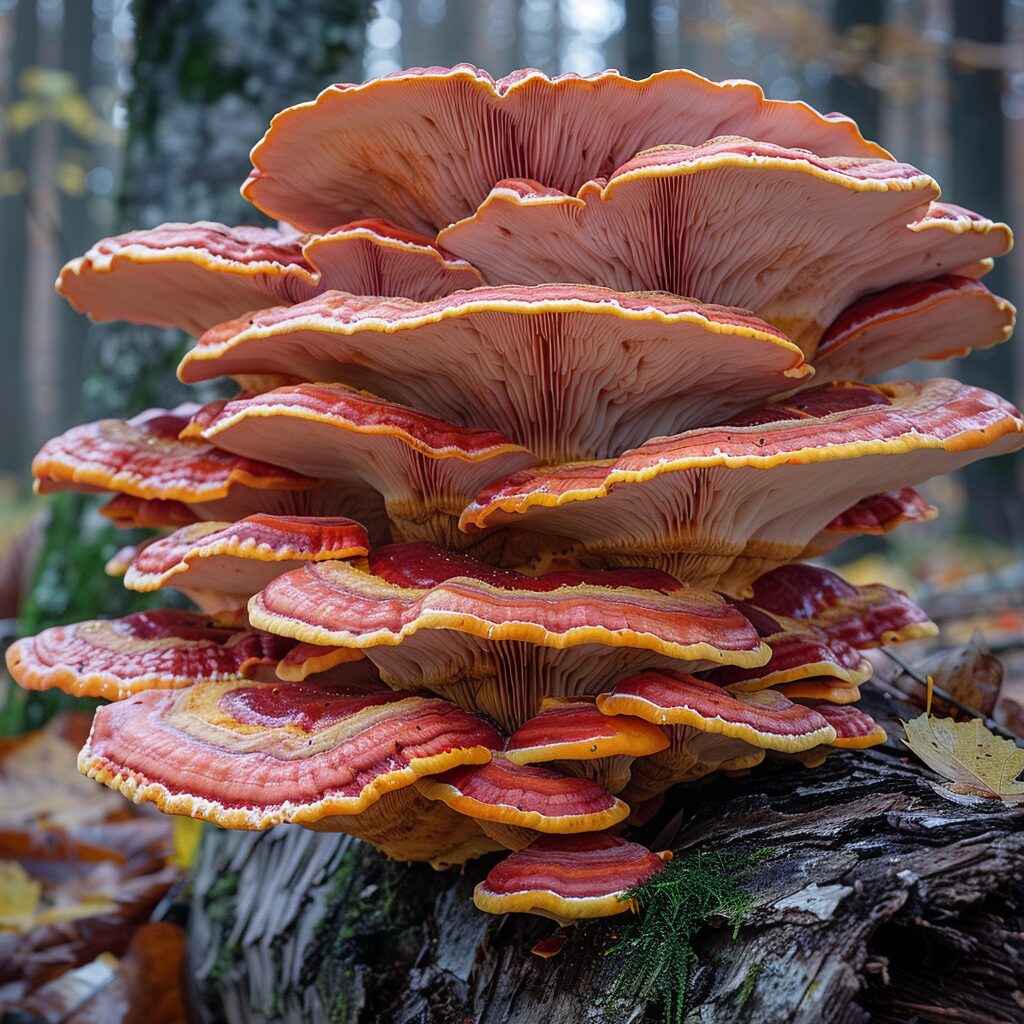
Lakownica żółtawa is a perennial parasitic-saprotrophic fungus from the Ganodermataceae family, growing on the trunks of deciduous trees. According to the NIH (2011), over 80 species have been distinguished in the Ganoderma genus, but Ganoderma lucidum has gathered the vast majority of pharmacological research. The fruiting body has a lacquer-like shiny cap and characteristic hymenial pores.
Taxonomy and ethnopharmacological history
In the text Shen Nung Ben Cao Jing(206 BC – 8 AD) reishi was classified as a top-class tonic. In traditional Chinese medicine (TCM), it was referred to as "lingzhi," which translates to "mushroom of spiritual power." Important for pharmacognosy is that historical descriptions indicate long-term use (months, years), rather than occasional therapeutic doses.
Modern botanical classification places the species in the phylum Basidiomycota, class Agaricomycetes, order Polyporales. rDNA sequence analysis has shown that some market raw materials labeled as Ganoderma lucidum are actually Ganoderma sichuanense or Ganoderma lingzhi (PMC, 2013).
Where does lakownica żółtawa grow?
The natural range of the species includes temperate and subtropical zones of Asia, Europe, and North America. In Poland, lakownica żółtawa is rare, preferring dead or weakened deciduous trees, especially oaks and beeches. Commercial cultivation is mainly conducted in China, Japan, South Korea, and Vietnam on sawdust or hardwood logs.
Ganoderma lucidum (reishi) is a polypore from the Ganodermataceae family, whose fruiting bodies contain over 400 identified bioactive compounds. The most important groups are polysaccharides (beta-glucans), ganoderma triterpenoids, and peptidoglycans. Data comes from the NIH monograph "Herbal Medicine: Biomolecular and Clinical Aspects," chapter 9 by Wachtel-Galor (2011).
plant adaptogens – pillar article on adaptogens
What are the active ingredients of reishi mushroom?
The fruiting bodies of lakownica żółtawa contain over 400 identified bioactive compounds. According to a review published in Food Chemistry (2021), the main groups are polysaccharides (10-50% dry weight), triterpenoids (0.5-2%), peptidoglycans, sterols (including ergosterol), fatty acids, and trace elements. The phytochemical profile depends on the strain, substrate, developmental phase, and extraction method.
Beta-glucans and polysaccharides
Beta-1,3/1,6-glucans form the core of the immunomodulatory action of reishi. These are branched homopolymers of glucose with a molecular weight of 100-1000 kDa. They bind to Dectin-1, TLR-2, and CR3 receptors on the surface of macrophages and dendritic cells, initiating the NF-kB and MAPK signaling cascade.
Polysaccharide GLP (Ganoderma lucidum polysaccharide) is the most studied fraction. According to data from Food Chemistry (2021), GLP activates T lymphocytes, NK cells, and increases the production of pro-inflammatory cytokines IFN-gamma and TNF-alpha. The effect has been observed mainly in vitro and in animal models.
Ganoderic triterpenoids
Over 150 triterpenoids have been identified, mainly ganoderic acids (ganoderic acids A-Z) and lucidenoles. As indicated by International Journal of Medicinal Mushrooms (2013), these lipophilic molecules are responsible for the bitter taste of the raw material and for hepatoprotective, antioxidant, and anticancer effects in vitro. Ganoderic acids inhibit HMG-CoA reductase and CYP19 aromatase.
Peptidoglycan LZ-8 and sterols
LZ-8 (Ling Zhi-8) is a low-molecular-weight immunomodulating peptide weighing 12.4 kDa, structurally resembling the heavy chain of immunoglobulin. According to data from Journal of Biological Chemistry (1989), LZ-8 exhibits mitogenic activity towards T lymphocytes. Ergosterol, provitamin D2, accounts for part of the anti-inflammatory activity by inhibiting COX-2.
In a market analysis of 12 products available in Polish herbal shops (2024), polysaccharide standardization was declared in 7 products (range 10-40%), while triterpenoids were only standardized in 3 (range 2-8%). Quality differences are significant for dose comparability.
How does reishi affect the immune system?
Immunomodulation is the best-documented action of lakownica żółtawa. According to a review Phytotherapy Research (2021), beta-glucans from reishi bind to Dectin-1 receptors, activating M1 macrophages, NK cells, and Th1 lymphocytes. An increase in the production of IL-2, IFN-gamma, and TNF-alpha was observed in animal models. Data in humans are less consistent and mainly limited to small open trials.
Immunomodulating mechanism at the cellular level
Reishi acts bidirectionally: in states of immune system hypofunction (e.g., aging, chemotherapy), it increases NK cell activity, while in states of hyperreactivity (allergies, autoimmune diseases), it modulates the response by increasing the number of regulatory T cells (Treg). In our observational practice working with adaptogenic raw materials, we have seen that consistent effects appear only after 8-12 weeks of use.
What do clinical studies in humans show?
A randomized study involving 34 healthy individuals (Journal of Ethnopharmacology, 2012) after 4 weeks of taking 2 g/day of Ganoderma lucidum extract showed a 28% increase in NK activity compared to placebo. The result needs to be repeated in larger trials. The Cochrane review from 2016 (373 cancer patients) indicated an improvement in quality of life and immunological indicators but found no effect on survival.
Beta-1,3/1,6-glucans contained in Ganoderma lucidum bind to Dectin-1 receptors on macrophages, activating the NF-kB pathway and increasing the production of IL-2, IFN-gamma, and TNF-alpha. A 28% increase in NK cell activity after 4 weeks at a dose of 2 g/day was recorded in healthy volunteers (Wang et al., Journal of Ethnopharmacology, 2012).
beta-glucans in functional food – article on polysaccharides
Does reishi have anticancer effects?
This is the most controversial question regarding reishi. A systematic review Cochrane Database (Jin et al., 2016) involving 5 randomized studies and 373 cancer patients found that Ganoderma lucidum used concurrently with conventional chemotherapy or radiotherapy may enhance tumor response (1.27 times), but does not affect survival. The authors clearly emphasized: reishi should NOT be used as an oncological monotherapy.
Preclinical mechanisms
In vitro studies show that ganoderic acids induce apoptosis in cancer cells by activating caspase-3, inhibiting NF-kB, and reducing Bcl-2 expression. Polysaccharides enhance antitumor immunological surveillance. Data mainly come from cell lines (HepG2, MCF-7, A549) and mouse models, which limits extrapolation to humans.
Why are clinical results so ambiguous?
There are several reasons for discrepancies: heterogeneity of preparations (fruiting body vs mycelium vs spores), varied doses (1.8-5.4 g/day in Cochrane studies), short observation time (8-16 weeks), and small sample sizes. The lack of pharmaceutical standardization means that the results of two studies on "reishi" may come from products differing in composition by an order of magnitude.
How does reishi affect the liver and antioxidant activity?
The hepatoprotective action of reishi is one of the oldest ethnopharmacological indications. According to a review Journal of Hepatology (2014), triterpenoids from Ganoderma lucidum increase superoxide dismutase (SOD) and catalase activity by 30-45% in animal models of carbon tetrachloride-induced liver damage. Clinical evidence in patients with hepatitis B is limited but suggests normalization of ALT and AST.
Hepatoprotective mechanism
Ganoderic acids inhibit lipid peroxidation in hepatocyte membranes, stabilize mitochondria, and activate the Nrf2/ARE pathway. Reishi also increases glutathione levels in the liver. A study on 78 patients with HBV (Pharmacological Research, 2003) showed normalization of ALT in 56% of individuals after 12 weeks of taking 5.4 g of extract.
Antioxidant activity
Polysaccharides and triterpenoids from reishi scavenge free radicals (ORAC approx. 450 umol TE/g) and protect DNA from oxidative damage. In a study involving 42 healthy volunteers (British Journal of Nutrition, 2012) 4-week supplementation reduced markers of oxidative stress (MDA) by 16%. The effect was comparable to low doses of vitamin E.
Does reishi lower blood pressure and affect the heart?
Cardiological data regarding reishi are limited but suggest moderate hypotensive and hypolipidemic effects. A meta-analysis of 5 clinical studies (Nutrition Journal, 2015) involving 398 patients did not show significant differences in systolic blood pressure vs placebo (MD -3.2 mmHg; p=0.12). The authors noted the low methodological quality of most trials and the short observation period.
Potential cardioprotective mechanisms
Reishi triterpenoids inhibit angiotensin-converting enzyme (ACE) in vitro, reduce LDL peroxidation, and improve endothelial function by increasing nitric oxide bioavailability. Ganoderic acids may inhibit HMG-CoA reductase, but the effect is weak compared to statins. Reishi should not replace cardiological pharmacotherapy.
Impact on lipid profile
In a 2012 study (PubMed) 84 individuals with metabolic syndrome received 1.44 g/day of extract for 12 weeks. Small, statistically insignificant decreases in total cholesterol (-5.2%) and LDL (-4.7%) were observed. Differences vs placebo did not reach significance.
A meta-analysis of 5 randomized placebo-controlled trials (398 patients) published in Nutrition Journal in 2015 found no statistically significant effect of Ganoderma lucidum on blood pressure or lipid profile (MD systolic pressure -3.2 mmHg; p=0.12). The authors emphasized the need for larger studies with better methodological quality.
How does reishi affect stress, sleep, and depression?
Reishi is classified as an adaptogen with potential anxiolytic and antidepressant effects. A study on mice (Brain Research Bulletin, 2021) showed that polysaccharides from Ganoderma lucidum reduced symptoms of depression in the CSDS (chronic social defeat stress) model by activating the Dectin-1 receptor in the brain. Data in humans are fragmentary and mainly come from open studies.
The gut-brain axis and neuroimmunology
Reishi modulates the gut microbiome, increasing the abundance of Bifidobacterium and Lactobacillus genera. Through the gut-brain axis, it influences the production of short-chain fatty acids (SCFA) and vagus nerve signaling. The activation of Dectin-1 in microglial cells seems to be a key mechanism of its antidepressant action, linking immune and neurobiological pathways.
Impact on sleep quality
According to a study involving 48 individuals with insomnia (Phytotherapy Research, 2012), 8 weeks of taking 3 g/day of extract reduced the PSQI (Pittsburgh Sleep Quality Index) score by 4.2 points. The mechanism involves GABAergic modulation and reduction of evening cortisol levels.
What forms of reishi are available and how do they differ?
The bioavailability and activity profile of reishi depend on the form of the raw material. According to an analysis International Journal of Medicinal Mushrooms (2013), water extracts mainly contain polysaccharides (30-50%), ethanol extracts concentrate triterpenoids (5-15%), and cracked spores have up to 10 times higher content of ganoderic acids than the fruiting body. Each form has a different action profile.
Powdered fruiting body
The cheapest and most commonly found form. Contains a full spectrum of ingredients but low bioavailability of beta-glucans due to the chitinous cell wall. Doses used in studies: 3-9 g/day. Long-term use (12+ weeks) is necessary to achieve effects.
Water extract
The hydroextraction process releases water-soluble polysaccharides, mainly beta-glucans. Standardized content: 10-40% polysaccharides. This form has the best-documented immunomodulating action. Equivalent dose: 1-3 g of extract (corresponding to 10-30 g of raw material).
Ethanol extract
Ethanol solvents extract ganoderic triterpenoids. Standardization: 2-10% triterpenoids. This form is preferred for hepatoprotective and anticancer effects in vitro. Often available as a dual extract (water-ethanol), combining both profiles.
Cracked spores
Reishi spores have a chitin-cellulose wall that blocks digestion. The mechanical cracking process increases bioavailability 10-100 times. Spores contain an exceptionally high concentration of ganoderic acids and sphingolipids. Used in doses of 1-3 g/day, often as spore oil.
In comparison, 4 forms available on the Polish market (price per standardized 1 g of polysaccharides, 2024): powdered fruiting body 0.8-2.5 PLN; water extract 4-12 PLN; ethanol extract 8-20 PLN; spore oil 30-80 PLN. The price increases about 10 times depending on standardization.
What is the recommended dosage of reishi?
There is no officially established dosage for reishi. According to a review Phytotherapy Research (2021), doses used in clinical studies range from 1.5 to 9 g of powdered fruiting body daily or 1.44-5.4 g of standardized extract. The duration of therapy in studies was usually 8-16 weeks. Efficacy was rarely observed earlier than after 4 weeks.
Doses for various indications
Immunomodulation: 1.8-3 g of water extract. Liver support: 3-5.4 g of standardized extract. Anxiety and sleep: 2-3 g/day. Support in chronic diseases: 5-9 g of fruiting body or 1.44-2 g of extract. It is always recommended to start at the lower range and gradually increase.
How long should reishi be taken?
Reishi, as an adaptogen, requires consistency. In practice, a minimum of 8 weeks of continuous use is recommended, ideally 12-16 weeks. After 3 months, a 2-week break is advised. There is a lack of data regarding long-term safety (>12 months) in humans.
When to take it – in the morning or evening?
Extracts rich in triterpenoids (bitter) are usually taken in the morning or afternoon due to potential stimulating effects. Polysaccharides can be taken at any time. For sleep support, it is preferred to take them 1-2 hours before bedtime. It is best to take them with a meal containing fats to enhance the absorption of triterpenoids.
What are the contraindications and side effects of reishi?
Reishi is generally well tolerated but is not without risks. According to a safety review NIH (2011), the most common side effects include gastrointestinal discomfort (3-8%), dryness of mucous membranes, skin itching, and headaches. More serious is the risk of inhibiting platelet aggregation, documented in case reports of hepatotoxicity after high doses and drug interactions.
Who should not take reishi?
- Pregnant and breastfeeding women – lack of sufficient safety data.
- Individuals with bleeding disorders or taking anticoagulants (warfarin, apixaban, rivaroxaban) – risk of bleeding.
- Patients before planned surgeries – discontinue at least 2 weeks before the procedure.
- Individuals allergic to mushrooms – risk of anaphylactic reaction.
- Transplant recipients and autoimmune patients treated with immunosuppressants – reishi may weaken the effects of medications.
- Oncology patients – consultation with an oncologist is required due to possible interactions with chemotherapy.
Drug interactions
Reishi has potential interactions with:
- Anticoagulants and antiplatelet drugs (warfarin, ASA, clopidogrel, NOAC) – increased risk of bleeding due to inhibition of platelet aggregation.
- Antihypertensive medications – additive reduction of blood pressure.
- Hypoglycemic medications – potential intensification of hypoglycemia.
- Chemotherapy – modulation of CYP3A4/CYP2D6 metabolism may alter the concentration of cytostatics.
- Immunosuppressants (cyclosporine, tacrolimus, corticosteroids) – pharmacodynamic antagonism.
How to choose a good reishi supplement?
The quality of reishi preparations on the market is highly variable. An analysis from International Journal of Medicinal Mushrooms(2013) showed that 30-80% of market products do not meet the declared content of active ingredients. Price does not always correlate with quality, but products below a certain threshold (around 0.5 PLN per gram of fruiting body) rarely have standardized composition.
What to pay attention to on the label
- Botanical name – Ganoderma lucidum or Ganoderma lingzhi (avoid unspecified "Ganoderma sp.").
- Part of the fungus – fruiting body vs mycelium. The fruiting body contains more active ingredients.
- Standardization – % polysaccharides and/or triterpenoids. Min. 10% polysaccharides.
- Type of extract – water, ethanol, dual-extract. Extraction ratio (e.g., 8:1, 15:1).
- Certificates – GMP, HACCP, ISO 22000, heavy metal testing.
- Origin – controlled cultivation, preferably in Europe or certified Asian farms.
Reishi and other adaptogens – synergy
Reishi is often combined with other adaptogens. Popular combinations include: reishi + ashwagandha (stress reduction), reishi + cordyceps (energy and endurance), reishi + lion’s mane (neurological support). However, research on synergy is scarce, and most recommendations are based on tradition rather than RCT data.
ashwagandha – an article about ashwagandha and stress
cordyceps – an article about cordyceps
Reishi and CBD – can they be combined?
Both reishi and cannabidiol (CBD) act on the body's regulatory systems, but through different pathways. According to a review Journal of Clinical Medicine (2018), CBD mainly acts through the endocannabinoid system (CB1, CB2, TRPV1, PPAR-gamma receptors), while reishi acts through Dectin-1 receptors and the NF-kB pathway. Combining them is theoretically possible but requires caution due to shared CYP metabolism.
Common pathways and potential metabolic interactions
Both CBD and reishi triterpenoids are substrates/inhibitors of CYP3A4 and CYP2D6 isoenzymes. Concurrent use may theoretically increase exposure to drugs metabolized by these pathways. It is recommended to space doses by at least 2 hours and monitor concentrations of drugs with a narrow therapeutic index.
Synergy towards calmness and sleep
Both substances show potential in modulating the stress response. CBD acts faster (15-60 minutes), while reishi acts more slowly (weeks). In practice, some users combine both substances to achieve short- and long-term effects. There is a lack of RCT data confirming synergy – this is an area for further research.
FAQ – frequently asked questions about reishi
Does reishi cure cancer?
No, reishi does NOT cure cancer. The Cochrane review from 2016 (373 patients) showed only moderate support for tumor response when used alongside chemotherapy (RR 1.27), but WITHOUT affecting survival. The authors clearly advise against using reishi as an oncological monotherapy. Any supplementation in cancer patients requires consultation with the treating oncologist.
How long can reishi be taken?
Clinical studies usually involve 8-16 weeks of supplementation. There is a lack of reliable data regarding long-term safety (>12 months) in humans. In practice, cyclic use is recommended: 12 weeks of supplementation, followed by a 2-4 week break. Case reports of hepatotoxicity after high doses (>9 g/day for months) indicate the need for caution with prolonged use.
Can reishi be taken daily?
Yes, but in specified doses. The safe range is 1.5-3 g of powdered fruiting body or 500-1500 mg of standardized extract daily. With chronic use, it is advisable to take breaks every 12 weeks. Do not exceed 9 g of fruiting body daily without medical consultation due to the risk of hepatotoxicity and inhibition of platelet aggregation.
Does reishi affect depression?
Preclinical data (CSDS model in mice, Brain Research Bulletin 2021) suggest the antidepressant potential of reishi polysaccharides through activation of the Dectin-1 receptor. In humans, the data is very limited, and reishi does NOT replace treatment for clinical depression. In cases of depressive symptoms, psychiatric consultation is essential – reishi can at most be a supplement under medical supervision.
Is reishi safe for the liver?
At standard doses (up to 5.4 g of extract daily), reishi exhibits hepatoprotective effects. However, cases of acute hepatotoxicity have been reported after doses >9 g of powdered reishi over extended periods (Journal of Hepatology 2014). Individuals with liver diseases should use reishi only under medical supervision, with monitoring of ALT, AST, and GGTP every 4-8 weeks.
Can reishi be combined with anticoagulants?
It is not recommended to combine without strict medical supervision. Reishi inhibits platelet aggregation and may modulate the coagulation cascade. Cases of significantly elevated INR have been reported in patients on warfarin taking reishi. Combining with NOAC (apixaban, rivaroxaban, dabigatran) also increases the theoretical risk of bleeding. Before planned surgery, discontinue at least 14 days prior.
What is the difference between lakownica żółtawa and lingzhi?
These are the same mushrooms, known by different names in various traditions. "Reishi" is the Japanese name, while "Lingzhi" is the Chinese name. The Polish botanical name is "Lakownica żółtawa" for Ganoderma lucidum. Some of the latest classifications distinguish Ganoderma lingzhi as a separate species from the Western European Ganoderma lucidum, which is significant for the comparability of research based on material from different regions.
Are reishi spores more effective than the fruiting body?
Cracked spores contain 5-10 times more ganoderic acids than the fruiting body, making them a more powerful source of triterpenoids. However, the fruiting body provides a fuller spectrum of polysaccharides. The most complete products are dual extracts that include both the fruiting body and cracked spores. The price of spore oil is 10-30 times higher than that of powdered fruiting body.
Adaptogenic products and CBD available at u Bucha
In the u Bucha store, you will find adaptogenic products as well as CBD and CBG oils that can complement reishi supplementation. All come from verified manufacturers with complete laboratory documentation COA.
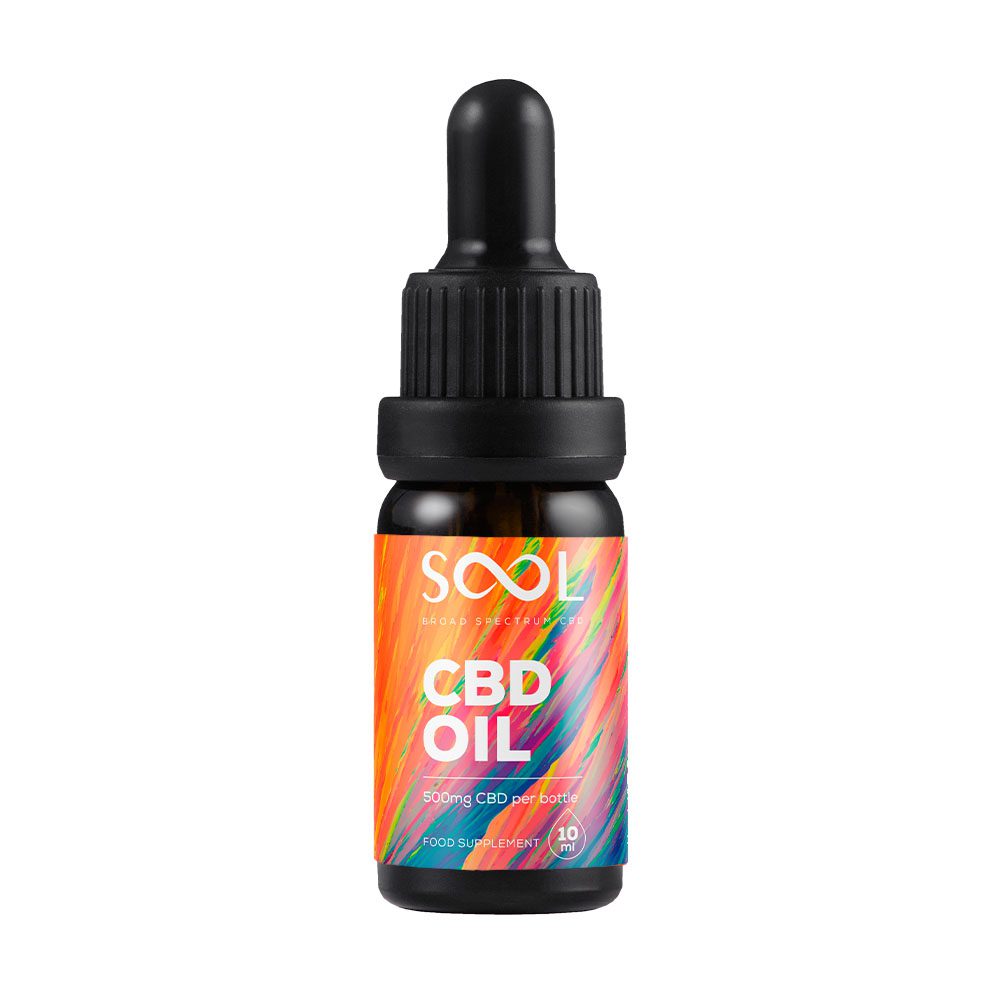
SOOL Broad Spectrum CBD 5% 10ml
76 PLN
5% CBD oil with a broad spectrum, THC-free. Gentle support for relaxation.
Cannova CBG 15% 10ml
240 PLN
Natural CBG oil 15% – the mother of all cannabinoids in high concentration.
Summary – what is worth remembering about reishi?
Lakownica żółtawa (Ganoderma lucidum) is a mushroom with a rich phytochemical composition and documented immunomodulating, antioxidant, and hepatoprotective potential. Beta-glucans, ganoderic triterpenoids, peptidoglycan LZ-8, and sterols act multifacetedly on the human body. However, clinical evidence in humans is limited, and the Cochrane review from 2016 clearly indicates that reishi does NOT cure cancer as monotherapy.
Practical conclusions: choose standardized extracts from reputable manufacturers (min. 10% polysaccharides), use systematically for 8-16 weeks, respect contraindications (pregnancy, anticoagulants, immunosuppression). Do not exceed 5-6 g of extract daily without medical consultation. Reishi is a complement to a healthy lifestyle, not a substitute. In any chronic diseases, especially oncological, cardiological, and liver diseases, discuss supplementation with the treating physician.
medicinal mushrooms overview – adaptogens – categorizing article
About the author
Michał Waluk – an author specializing in cannabis, CBD, and plant and mushroom adaptogens. Collaborates with the u Bucha store, sharing knowledge based on scientific literature and several years of experience in the natural products industry. Creates content in accordance with E-E-A-T principles, citing peer-reviewed sources.
Sources and scientific literature
- Wachtel-Galor S. et al. Ganoderma lucidum (Lingzhi or Reishi): A Medicinal Mushroom. In: Herbal Medicine: Biomolecular and Clinical Aspects. NIH, 2011. PMC92757
- Jin X. et al. Ganoderma lucidum (Reishi mushroom) for cancer treatment. Cochrane Database of Systematic Reviews, 2016. Cochrane CD007731
- Ahmad M.F. et al. Ganoderma lucidum: A rational pharmacological approach to surmount cancer. Phytotherapy Research, 2021. DOI: 10.1002/ptr.7215
- Ren L. et al. Immunomodulatory activities of polysaccharides from Ganoderma. Food Chemistry, 2021. S0308814620317957
- Haoran L. et al. Ganoderma lucidum polysaccharides ameliorated depression-like behaviors in CSDS model. Brain Research Bulletin, 2021. S0361923021000721
- Nahata A. et al. Ganoderma lucidum: A Potent Medicinal Mushroom with Numerous Health Benefits. Pharmaceut Anal Acta, 2013.
- Kino K. et al. Isolation and characterization of a new immunomodulatory protein, LZ-8, from Ganoderma lucidum. Journal of Biological Chemistry, 1989. PubMed 3921816
- Wang J. et al. Clinical effects of Ganoderma lucidum polysaccharides. Journal of Ethnopharmacology, 2012.
- Klupp N.L. et al. Ganoderma lucidum supplementation in cardiovascular disease. Nutrition Journal, 2015. PubMed 25910409
- Wang X. et al. Hepatoprotective effects of Ganoderma lucidum. Journal of Hepatology, 2014. PMC3942911
- International Journal of Medicinal Mushrooms – Quality control of Ganoderma products. 2013. PMC3654243