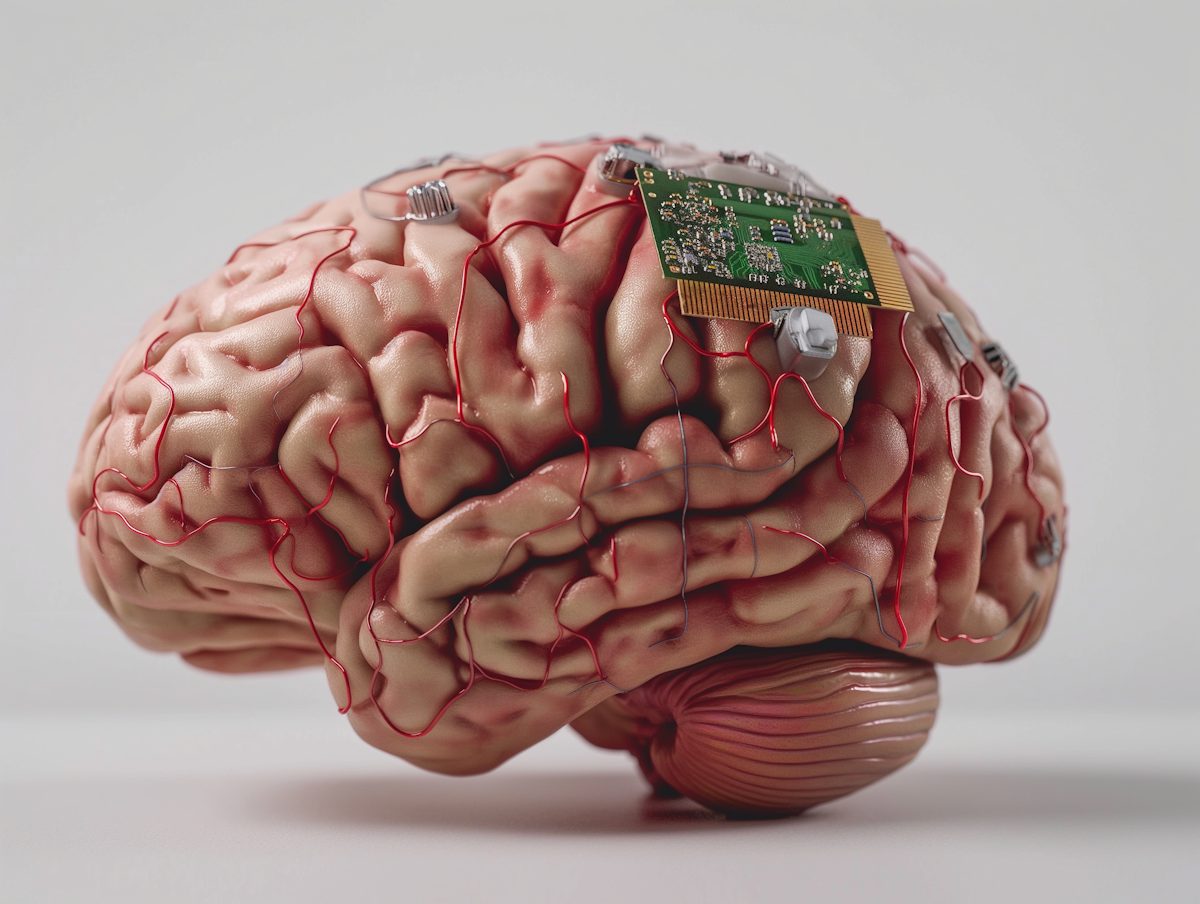

Introduction to the Endocannabinoid System
The endocannabinoid system (ECS) is an incredibly complex cell signaling system that was only discovered in the late 20th century. Although humans have used cannabis for thousands of years, scientists only identified tetrahydrocannabinol (THC), the plant's main psychoactive substance, in the 1960s and 1970s. This discovery initiated a fascinating journey into the depths of biological mechanisms, leading to the identification of the first cannabinoid receptors in the brain and understanding the complex endocannabinoid system. Today, we know that the ECS is present not only in humans but in all mammals, and its primary function is to maintain homeostasis—a stable balance of the body's internal environment. This system influences a wide range of physiological processes, from mood and appetite regulation to immune control, sleep, and metabolism. In this article, we will take a detailed look at this mysterious system, understanding its history, structure, mechanisms of action, and potential therapeutic significance.
The importance and role of homeostasis
Homeostasis is the body's ability to maintain relatively constant internal conditions despite changes in the external environment. The ECS plays a key role in this, acting as a kind of biological thermostat. When the body encounters a stressor—whether infection, pain, injury, or metabolic disturbance—the endocannabinoid system triggers a series of signals designed to restore balance. Endocannabinoids, naturally produced ligands in the body, bind to receptors located in various tissues, modulating the release of neurotransmitters and hormones. As a result, they influence immune responses, mood, energy levels, appetite, memory, pain sensation, sleep, and many other functions. Understanding the ECS is therefore essential to understanding how the body maintains health, copes with stress, and why cannabis and other phytocannabinoids have such a broad spectrum of effects.
The history of the discovery of the endocannabinoid system
Although cannabis and its medicinal properties were known to ancient civilizations, it was not until the scientific revolution of the second half of the 20th century that the mechanisms behind its effects were discovered. In the 1960s, an Israeli chemist Raphael Mechoulam and his colleagues isolated and synthesized tetrahydrocannabinol (THC), which allowed researchers to understand the psychoactive effects of marijuana. Several years later, in 1988, a team led by Alan Howlett and William Devane identified the first cannabinoid receptor (CB1) in the rat brain. This discovery proved that specific structures in the body respond to THC.
In 1992, Mechoulam, along with Lumír Hanuš, and colleagues, discovered the first endocannabinoid, anandamide (N-arachidonoylethanolamide). The name comes from the Sanskrit word "ananda," meaning bliss, because this compound induces feelings of well-being and contentment. Three years later, a second important endocannabinoid, 2-arachidonoylglycerol (2-AG), was discovered. In 1993, a second type of cannabinoid receptor, CB2, was identified, found primarily in immune cells. These groundbreaking discoveries confirmed the existence of a vast biological system that responds to both endogenous cannabinoids and plant compounds from cannabis. Since then, numerous studies have demonstrated that the endocannabinoid system is a central component in regulating health and well-being.
Components of the endocannabinoid system
The endocannabinoid system consists of three main components: cannabinoid receptors, endocannabinoids, and the enzymes responsible for their synthesis and degradation. These three components work together to create a dynamic network of signals that respond to changes in the internal and external environment.
Cannabinoid receptors
Receptors are specialized proteins found on the surface of cells that receive chemical signals. There are two main types of receptors in the endocannabinoid system:
- CB1 receptors They are found primarily in the central nervous system: the brain (the hypothalamus responsible for appetite, the hippocampus responsible for memory, and the amygdala responsible for emotions), the spinal cord, and nerve endings. Outside the nervous system, they are also found in the liver, adipose tissue, heart, and intestines. CB1 modulates the release of neurotransmitters, influencing pain perception, mood, motor function, appetite, and reward.
- CB2 receptors – located primarily in immune cells (monocytes, macrophages, B and T lymphocytes), the spleen, tonsils, peripheral tissues, and certain regions of the brain and gut. CB2 is responsible for modulating inflammation, immune responses, pain, and tissue regeneration. Their expression increases at sites of injury or inflammation, suggesting a role in cell repair and protection.
In addition to CB1 and CB2, researchers are identifying other potential cannabinoid receptors, such as GPR55 (a G protein-coupled receptor), vanilloid receptors (TRPV1), and the nuclear receptor PPARs. These structures may also respond to endocannabinoids and phytocannabinoids, broadening the spectrum of ECS activity.
Endocannabinoids
Endocannabinoids are chemical compounds synthesized by the body "on demand" in response to various stimuli. They act as neurotransmitters that bind to CB1 and CB2 receptors, as well as other structures. The most important endocannabinoids include:
- Anandamide (AEA) – Called the "bliss molecule" because it induces feelings of euphoria, relaxation, and contentment. Anandamide is involved in regulating mood, appetite, pain perception, memory, and reproductive function. It is structurally similar to THC, which explains the similarity of some effects.
- 2-arachidonoylglycerol (2-AG) – occurs in the brain in greater quantities than anandamide. It participates in the regulation of appetite, metabolism, immune function, and neuroprotection. It acts as a mood and energy modulator.
- 2-arachidonyl glyceryl ether (2-AGE), O-arachidonoylethanolamine, N-arachidonoyldopamine (NADA), N-oleylethanolamine (OEA) and others are lesser-known endocannabinoids that can interact with various receptors, including TRPV1 and GPR55. Each has specific functions, such as modulating pain, temperature, or inflammation.
Endocannabinoids differ from classic neurotransmitters (e.g., serotonin or dopamine) in that they are not stored in synaptic vesicles. They are synthesized "on demand" from membrane phospholipids and are enzymatically degraded immediately after completing their task. This allows them to act rapidly but briefly, preventing overstimulation of receptors.
Enzymes
The third element of the ECS are enzymes responsible for the synthesis and degradation of endocannabinoids. Their primary role is to ensure that endocannabinoids only act when needed and do not persist in the body longer than necessary. The most important enzymes are:
- Fatty acid amide hydrolase (FAAH) – an enzyme responsible for the breakdown of anandamide. FAAH is found in many tissues, including the brain, liver, and intestines. Its activity regulates anandamide levels and influences mood, appetite, memory, and pain.
- Monoacylglycerol hydrolase (MAGL) – an enzyme that breaks down 2-AG into arachidonic acid and glycerol. MAGL regulates the amount of 2-AG in the brain and peripheral tissues, influencing fat metabolism, inflammation, and neuronal function.
- Other enzymes such as NAAA (N-acetylethanolamine acid amidase), COX-2 (cyclooxygenase 2) and enzymes from the P450 family participate in endocannabinoid metabolism, modulating their concentration and activity. Balanced activity of these enzymes is essential for maintaining homeostasis.
The mechanism of action of the endocannabinoid system
The endocannabinoid system operates dynamically, responding to changing conditions in the body. Unlike other neural signaling systems, the ECS functions primarily through reverse signaling, or retrograde. This means that endocannabinoids are synthesized in the postsynaptic neuron in response to an influx of calcium ions and immediately released into the synaptic cleft. They then travel backward to the presynaptic neuron, where they bind to CB1 receptors, inhibiting the release of neurotransmitters such as glutamate and GABA. This feedback inhibition reduces excessive synaptic activity, preventing excitotoxicity and ensuring balance in the neuronal network.
Outside the nervous system, endocannabinoids act in paracrine and autocrine ways in many tissues. When a cell experiences stress, inflammation, or other disruption, it synthesizes endocannabinoids, which bind to local CB2 receptors on immune cells, initiating anti-inflammatory responses. Additionally, endocannabinoids can activate PPAR nuclear receptors, influencing the expression of genes related to fat and glucose metabolism. The "lock and key" mechanism is key here: the endocannabinoid is the key, the receptor is the lock. Once the receptor is activated, signaling pathways are triggered, leading to a decrease or increase in neurotransmitter release, cytokine production, or the expression of specific proteins. Once the task is completed, the enzymes FAAH and MAGL rapidly degrade the endocannabinoids, terminating the signal.
Functions of the endocannabinoid system in the body
The ECS regulates many key physiological functions and behaviors. Its ubiquitous presence in various organs and tissues means it influences numerous body systems.
Mood and stress regulation
Endocannabinoids modulate the activity of the limbic system, which regulates emotions, motivation, and reward. Anandamide and 2-AG influence the secretion of dopamine and serotonin via CB1 receptors, alleviating stress and anxiety, and promoting a sense of well-being. Dysfunction of the ECS can lead to mood disorders such as depression and anxiety.
Pain control
The ECS plays an important role in pain modulation, both centrally and peripherally. Activation of CB1 receptors in the spinal cord inhibits the transmission of pain stimuli, while CB2 receptors on immune cells and in inflammatory tissues reduce the production of inflammatory mediators. This allows endocannabinoids and phytocannabinoids to alleviate neuropathic, inflammatory, and cancer pain.
Appetite and metabolism
CB1 receptors in the hypothalamus influence feelings of hunger and satiety. Anandamide and 2-AG stimulate appetite by activating the reward system. In turn, excessive CB1 activity in the liver and adipose tissue can lead to metabolic disorders such as obesity and insulin resistance. Studies on CB1 receptor antagonists have demonstrated their potential in the treatment of obesity, but associated side effects (e.g., depressed mood) have limited their clinical use.
Dream
The ECS is involved in regulating the sleep-wake cycle. Anandamide enhances REM sleep, while 2-AG regulates deep sleep. Stimulation of CB1 receptors in the hypothalamus and nuclei of the brain influences circadian rhythms, which may explain why some patients use phytocannabinoids to treat insomnia.
Memory and cognitive functions
CB1 receptors in the hippocampus and cerebral cortex modulate learning and memory processes. Although short-term CB1 stimulation may impair memory (which explains the transient memory impairments associated with THC consumption), long-term enhancement of the ECS may support neurogenesis and neuroplasticity. In the context of neurodegenerative diseases (e.g., Alzheimer's, Parkinson's), ECS modulation is the subject of intense research.
The immune system and inflammation
CB2 receptors on lymphocytes, macrophages, and microglial cells play a key role in regulating inflammatory responses. CB2 activation reduces the production of proinflammatory cytokines (e.g., interleukins) and increases the secretion of anti-inflammatory cytokines. Endocannabinoids can also induce immune cell apoptosis, limiting excessive immune responses. This allows the ECS to help treat autoimmune diseases, allergies, and other inflammatory disorders.
Neuroprotection
Endocannabinoids protect neurons from damage caused by oxidative stress, excitotoxicity, and inflammation. Activation of CB1 and CB2 receptors can reduce free radical production, inhibit glutamate release, and limit cell death. In animal models, modulation of the ECS alleviates symptoms of multiple sclerosis, epilepsy, and brain trauma.
Digestion and the digestive system
The ECS regulates intestinal motility, gastric juice secretion, intestinal barrier permeability, and brain-gut communication. CB1 activation inhibits excessive contractions, which may alleviate symptoms of irritable bowel syndrome. CB2 receptors modulate mucosal immune responses, which influence inflammation and the gut microbiota.
Reproductive system and hormones
Endocannabinoids influence fertility, the menstrual cycle, ovulation, and embryonic development. CB1 receptors are found in the hypothalamus and pituitary, where they control the secretion of gonadotropic hormones. In the ovaries and uterus, they modulate embryo implantation and pregnancy. In men, the ECS regulates sperm motility and testosterone production.
Cardiovascular system
The ECS is involved in regulating blood pressure, heart rate, and vascular function. Stimulation of CB1 receptors can cause vasodilation, lower blood pressure, and slow the heart rate. CB2 receptors protect the circulatory system by reducing inflammation in the vessel walls. Dysfunction of the ECS can contribute to hypertension, atherosclerosis, and other heart diseases.
Endocannabinoids and phytocannabinoids
Endocannabinoids are produced by the body and tightly regulated by enzymes, allowing for precise signal control. Phytocannabinoids come from plants, primarily hemp. Due to their similar chemical structure, they can interact with ECS receptors, resulting in a variety of effects. The most well-known phytocannabinoids are THC and CBD, but the cannabis plant contains over a hundred other cannabinoids and hundreds of terpenes and flavonoids, which work together to create the so-called entourage effect.
THC (tetrahydrocannabinol)
THC is the main psychoactive component of cannabis. It binds strongly to CB1 receptors in the brain, producing feelings of euphoria, altered perception, increased appetite, and reduced pain perception. THC can also activate CB2, which influences immunity and inflammation. Despite its potential medicinal benefits (e.g., in pain management, nausea, and spasticity), THC can cause side effects such as anxiety, dry mouth, rapid heartbeat, and short-term memory impairment. Its psychoactive effects are subject to legal regulations – in Poland, THC products are controlled and unavailable over the counter.
CBD (cannabidiol)
CBD is a non-psychoactive, broad-spectrum cannabinoid. It has low affinity for CB1 and CB2 receptors, but modulates their activity by inhibiting endocannabinoid degradation (e.g., by inhibiting the FAAH enzyme) and by indirectly affecting other receptors, such as 5-HT1A (serotonin), TRPV1 (vanilloid), and GPR55 receptors. This allows CBD to exert anti-anxiety, analgesic, anti-inflammatory, and neuroprotective effects. It is being studied in the context of epilepsy, anxiety, schizophrenia, neurodegenerative diseases, and many other conditions. In Poland, CBD derived from hemp is legal if the THC content does not exceed 0.31 TP3T.
CBG, CBN and other cannabinoids
Cannabigerol (CBG) It is a precursor to THC and CBD. It interacts with CB1 and CB2 receptors, supporting endocannabinoid production, and influencing serotonin receptors, which may support mood and neurological function. Cannabinol (CBN) It is made from oxidized THC. It binds less strongly to CB1 and CB2, but exhibits sedative and analgesic properties. Other cannabinoids, such as CBC, THCV, and HHC, have diverse action profiles. Some may act as CB1 antagonists at low doses and agonists at high doses. The potential uses of these compounds are being investigated; their presence in cannabis products may enhance or modulate the effects of THC and CBD.
Terpenes and the Entourage Effect
Terpenes These are aromatic compounds found in many plants, including cannabis. They are responsible for the characteristic smell and taste, but also have biological properties. For example, beta-caryophyllene acts on the CB2 receptor and may enhance the effects of anti-inflammatory cannabinoids. Limonene, linalool, myrcene, and pinene exhibit sedative, anxiolytic, antibacterial, and anti-inflammatory effects. The entourage effect is a synergy between phytocannabinoids and terpenes: their combined effects can be more potent than the sum of their individual effects. Therefore, full-spectrum hemp extracts with a broad spectrum of compounds may produce better results than isolated compounds.
Endocannabinoid deficiency and dysfunction of the system
Neurologist Dr. Ethan Russo He proposed the theory of clinical endocannabinoid deficiency (CED), which posits that certain idiopathic conditions may result from insufficient endocannabinoid production or ECS dysfunction. These conditions include migraines, fibromyalgia, irritable bowel syndrome, and some mood disorders and neuropathic pain. It is believed that in people with CED, receptors are underactivated, preventing the body from effectively modulating pain, mood, or inflammatory responses.
ECS dysfunction may also be associated with obesity, heart disease, type 2 diabetes, autoimmune diseases, and neurodegenerative diseases (e.g., Alzheimer's and Parkinson's). Excessive CB1 activation in the liver and adipose tissue contributes to fat accumulation, while insufficient CB1 activity in the brain can cause depression and mood disorders. Therefore, maintaining a balanced ECS is crucial for health.
Natural ways to support the endocannabinoid system
While phytocannabinoids can support the ECS, there are many natural methods to help keep this system healthy, regardless of the use of cannabis products.
Fatty acid balance
Endocannabinoids are made from fatty acids, so a diet rich in them omega-3 i omega-6 is essential for their proper production. The ideal ratio of these acids is around 2:1 or 3:1, favoring omega-6. It's worth including the following in your daily diet:
- oily fish (salmon, mackerel, sardines),
- pasture-raised eggs,
- walnuts and almonds,
- seeds (flax, chia, hemp, sunflower),
- cold-pressed vegetable oils (linseed, rapeseed, hemp),
- green leafy vegetables.
The appropriate amount of essential fatty acids supports the synthesis of anandamide and 2-AG and helps maintain cell membranes in the proper structure.
Chocolate and cocoa
Dark chocolate contains anandamide and compounds (N-oleylethanolamine and N-linoleylethanolamine) that inhibit its breakdown. Consuming dark chocolate can therefore gently stimulate the ECS, improving mood and reducing oxidative stress. The richness of flavonoids and antioxidants in cocoa also supports cognitive function and the cardiovascular system.
Herbs and spices
Some herbs and spices contain terpenes or alkylamides that interact with ECS receptors:
- Lemon balm, oregano, cinnamon, cloves, hops and black pepper – contain beta-caryophyllene, which acts on the CB2 receptor, demonstrating anti-inflammatory and anti-anxiety properties.
- Echinacea – a medicinal plant whose alkylamides bind to CB2 receptors, relieving inflammation, fatigue and anxiety.
- Curcumin – a compound found in turmeric that acts as an antioxidant and modulates CB1 receptors. It may improve mood, digestion, and have neuroprotective properties.
Physical activity and lifestyle
Regular moderate- to high-intensity exercise increases endocannabinoid levels in the blood. The so-called "runner's high" is partly due to increased anandamide. Yoga, meditation, breathing techniques, and mindfulness They reduce stress levels, which promotes ECS balance. Osteopathy and postural work can improve nerve flow and circulation, supporting the functioning of the nervous and immune systems.
Diet and supplementation
In addition to fats and herbs, it's important to maintain a healthy diet overall. Eating whole foods, avoiding excessive sugar and processed fats, and consuming adequate amounts of vitamins (including D, E, and B complex) and trace elements (magnesium and zinc) supports endocannabinoid production. Supplementing with plant-based cannabinoids, such as CBD or CBG oil, can be helpful in cases of deficiency, but should be done consciously and under the supervision of a specialist.
Sleep and mental balance
Sufficient sleep and stress reduction are crucial for the ECS. Chronic stress and sleep deprivation lower endocannabinoid levels, disrupt receptor production, and lead to system-wide dysregulation. Supporting mental balance through relaxation practices, therapy, or contact with nature can contribute to better endocannabinoid system function.
Potential therapeutic applications and research
Scientists worldwide are exploring the potential of modulating the ECS to treat numerous diseases and disorders. Although research is still in its early stages, the results are promising.
Neurological and neurodegenerative diseases
Modulation of the ECS has been shown to have neuroprotective effects. Phytocannabinoids (especially CBD) may alleviate epileptic seizures, reduce inflammation in the brain, and slow neurodegeneration. In multiple sclerosis and Parkinson's disease, activation of CB1 and CB2 receptors reduces tremors, muscle stiffness, and improves motor skills. In Alzheimer's disease, the ECS influences the deposition of amyloid plaques, suggesting potential therapeutic applications.
Mental illnesses and mood disorders
Research suggests that anxiety disorders, depression, PTSD, and schizophrenia may be associated with ECS dysfunction. CBD exhibits anxiolytic and antipsychotic effects without the side effects typical of THC. Regulation of the ECS may influence the secretion of serotonin, dopamine, and norepinephrine, which is important in the treatment of mood disorders. In PTSD, modulation of the ECS may support the extinction of traumatic memories.
Pain and inflammation
Cannabinoids alleviate neuropathic, inflammatory, and cancer pain. THC, by activating CB1, suppresses pain transmission, while CBD modulates TRPV1 and PPAR receptors, reducing inflammation. Combining THC and CBD in specific proportions can increase analgesic efficacy with fewer side effects. Medicinal cannabis preparations are used to treat pain in cancer patients, multiple sclerosis patients, and neuropathy patients.
Metabolic diseases and obesity
CB1 receptor antagonists, such as rimonabant, have demonstrated effectiveness in weight loss and improved metabolic parameters, but have caused side effects (depression, anxiety), leading to their withdrawal. More selective ECS modulators are currently being studied, which may help combat obesity and type 2 diabetes without negative psychoactive effects.
Cancers
In vitro studies suggest that activation of cannabinoid receptors may inhibit cancer cell proliferation, induce apoptosis, and inhibit angiogenesis. CBD also exhibits antioxidant effects and may reduce nausea and pain associated with cancer therapy. Despite promising results, conclusive clinical evidence is still lacking, and further research is necessary.
Autoimmune and inflammatory diseases
CB2 activation reduces inflammatory responses and modulates immune function, which may be helpful in autoimmune conditions (such as rheumatoid arthritis, lupus, and Crohn's disease). CBD may reduce the secretion of pro-inflammatory cytokines and modulate T-cell function, which alleviates symptoms and reduces the severity of the disease.
Security, risks and legal aspects
Understanding the endocannabinoid system is essential to knowingly harness the potential of phytocannabinoids and avoiding risks. Here are key safety and legal considerations:
The difference between hemp and marijuana
Hemp naturally contains very low levels of THC (below 0.31 TP3T), but is rich in CBD and other phytocannabinoids. Hemp products are legal in Poland, provided they meet THC content standards. Marijuana (cannabis) contains higher concentrations of THC and is subject to legal restrictions. Possession and cultivation of marijuana in Poland (with the exception of medical exemptions) are illegal and subject to penalties.
Potential side effects and contraindications
THC use may cause side effects such as impaired attention, impaired coordination, dry mouth, tachycardia, anxiety, and, in susceptible individuals, psychosis. Interactions between THC and alcohol or psychotropic medications may exacerbate side effects. CBD is generally well-tolerated, but it may interact with medications (e.g., antiepileptics or anticoagulants) by inhibiting cytochrome P450 enzymes. Individuals taking medications should consult a physician before using CBD products.
Driving
Both THC and CBD can affect psychomotor function. Driving ability is impaired for several hours after consuming THC. In Poland, there is a zero-tolerance policy for THC in drivers' blood. Although CBD does not induce intoxication, it may cause drowsiness in some people, so caution is advised.
Drug testing
Hemp products, especially full-spectrum ones, may contain trace amounts of THC, which, if accumulated in the body, can result in a positive result on a drug test. Individuals undergoing regular drug testing (e.g., athletes, professional drivers) should choose broad-spectrum products or isolates, which are THC-free.
Consultation with a doctor
The use of cannabinoids for medicinal purposes should be supervised by a specialist. A doctor will help you select the appropriate preparation and dosage, and will assess possible interactions with other medications. Treating serious conditions with cannabis on your own can be risky and ineffective.
The impact of lifestyle on the endocannabinoid system
The endocannabinoid system is sensitive to many environmental and lifestyle factors. Chronic stress, lack of sleep, an unhealthy diet, physical inactivity, and substance abuse can all weaken the ECS. Long-term exposure to high levels of cortisol (the stress hormone) reduces endocannabinoid production and the number of receptors, which can lead to mood disorders and chronic disease.
On the other hand sustainable lifestyle – including a healthy diet, regular exercise, adequate sleep, meditation, social connections, and contact with nature – promotes ECS balance. Activities such as dancing, swimming, cycling, or running stimulate the release of endocannabinoids, which translates into a better mood and resistance to stress. Conscious breathing and relaxation practices help regulate the nervous system and, consequently, support homeostasis.
Summary and conclusions
The endocannabinoid system is a fundamental regulatory system that integrates neurological, immunological, metabolic, and hormonal functions. Discovered relatively recently, it remains one of the most fascinating areas of biological research. It consists of CB1 and CB2 receptors distributed throughout the body, endocannabinoids produced on demand, and enzymes that control their synthesis and degradation. The ECS operates primarily through retrograde signaling, modulating neurotransmitter release and protecting the body from overload.
This system regulates numerous processes, including mood, pain, appetite, sleep, memory, immunity, metabolism, and cardiovascular function. Dysfunction of the ECS can lead to diseases such as depression, obesity, autoimmune, neurodegenerative, and metabolic disorders. Cannabis phytocannabinoids—THC, CBD, CBG, and others—interact with the ECS, which explains their broad spectrum of therapeutic effects. However, the use of these substances requires knowledge, awareness of potential side effects, and familiarity with applicable regulations.
Supporting the endocannabinoid system isn't limited to phytocannabinoids. A diet rich in essential fatty acids, terpene-containing herbs, physical activity, adequate sleep, and stress reduction can naturally stimulate endocannabinoid production and improve system function. A mindful lifestyle and consultation with a doctor before using cannabis products will allow you to fully benefit from this remarkable system.
Frequently Asked Questions (FAQ)
What is the endocannabinoid system?
The endocannabinoid system (ECS) is a complex network of receptors, endocannabinoids, and enzymes that helps the body maintain homeostasis. The ECS regulates numerous physiological processes, such as mood, appetite, pain, sleep, and immune function.
What are the main components of the endocannabinoid system?
The ECS consists of three main elements: receptors (CB1 and CB2 and others, such as GPR55 or TRPV1), endocannabinoids (including anandamide and 2-AG), and enzymes (FAAH, MAGL, and others) responsible for the synthesis and degradation of endocannabinoids.
Where are the CB1 and CB2 receptors located?
CB1 receptors are found primarily in the central nervous system (brain and spinal cord) and in certain organs, such as the liver and intestines. CB2 receptors are found primarily in immune cells, the spleen, tonsils, bones, and the peripheral nervous system.
What are the most important endocannabinoids?
The most important endocannabinoids include anandamide (AEA) and 2-arachidonoylglycerol (2-AG). Other compounds include 2-AGE, NADA, OEA, and several other fatty acid derivatives. Each has specific functions in the body.
How do enzymes work in the endocannabinoid system?
Enzymes like FAAH and MAGL control endocannabinoid levels by breaking them down once they've completed their task. This keeps the signals short and precise, protecting the body from overstimulating the receptors.
What functions does the endocannabinoid system perform?
The ECS regulates mood, pain sensation, appetite, metabolism, sleep, memory, immune function, inflammatory responses, cardiovascular function, reproductive function, and many other processes. It is a master system that connects various body systems.
How are endocannabinoids different from phytocannabinoids?
Endocannabinoids are produced by the body in response to specific needs and are short-lived. Phytocannabinoids come from plants, primarily cannabis, and may interact with the same receptor system. THC, CBD, CBG, and other phytocannabinoids have longer durations of action and differ in their properties.
Do CBD and THC have the same effect on the endocannabinoid system?
No. THC is a psychoactive agonist at CB1 and CB2 receptors, which causes euphoria and perceptual changes. CBD has little affinity for these receptors, but modulates their function, inhibits endocannabinoid degradation, and influences other receptor systems, resulting in anti-anxiety, anti-inflammatory, and neuroprotective effects.
What is the clinical endocannabinoid deficiency theory?
The clinical endocannabinoid deficiency (CED) theory, coined by Dr. Ethan Russo, suggests that certain conditions, such as migraines, fibromyalgia, and irritable bowel syndrome, may result from insufficient endocannabinoid production or receptor dysfunction. Supplementing endocannabinoids with phytocannabinoids or naturally supporting the ECS may provide relief from these conditions.
How to support the endocannabinoid system naturally?
Supporting the ECS includes a healthy diet (rich in omega-3 and omega-6), consuming dark chocolate, herbs and spices with beta-caryophyllene, regular physical activity, meditation, adequate sleep, and stress reduction. Hemp products containing CBD, CBG, or CBN can also support the ECS, but should be used with caution.
Is the use of cannabis legal in Poland?
Hemp products containing up to 0.31 TP3T THC are legal in Poland. This includes CBD oils, supplements, cosmetics, and hemp foods. However, the Act on Counteracting Drug Addiction prohibits the sale of products containing higher THC concentrations (marijuana) outside of medical indications and under certain conditions. Before purchasing, it's always worth ensuring that the product meets national standards.
What are the potential therapeutic applications of phytocannabinoids?
Research suggests that cannabinoids may be useful in treating pain, epilepsy, neurodegenerative diseases, anxiety, depression, PTSD, inflammatory bowel disease, autoimmune diseases, skin conditions, and even cancer. However, most of these applications require further clinical research. Those interested in cannabinoid therapy should consult a physician.
Is the endocannabinoid system involved in appetite control?
Yes. CB1 receptors in the hypothalamus and reward system regulate feelings of hunger and satiety. Stimulation of CB1 increases appetite and promotes fat storage. Modulation of CB1 receptors can be used therapeutically to treat obesity, but caution is required due to side effects.
Can you overdose on endocannabinoids?
The body naturally regulates endocannabinoid levels through enzymes, so an endogenous "overdose" is unlikely. However, excessive activation of the ECS by phytocannabinoids, especially THC, can lead to unpleasant symptoms (anxiety, disorientation, tachycardia). It's always best to exercise moderation and tailor the dose to individual needs.
Is the endocannabinoid system present in animals?
Yes, the ECS exists in all vertebrates and many invertebrates. In mammals (including dogs, cats, and horses), it functions similarly to humans. For this reason, phytocannabinoids like CBD are used in veterinary medicine to relieve pain, anxiety, and seizures. However, you should always use products designed for animals and consult your veterinarian before using them.
What is the importance of the entourage effect in hemp products?
The entourage effect involves synergy between the various cannabinoids, terpenes, and flavonoids present in cannabis. These compounds interact to enhance each other's properties or modulate side effects. Therefore, full-spectrum products may be more effective than single-cannabinoid isolates.
Can phytocannabinoids be used during pregnancy or breastfeeding?
Currently, there is insufficient research to support the safety of cannabinoids during pregnancy or breastfeeding. Regulatory authorities and physicians recommend avoiding THC and CBD products during this period to avoid exposing the fetus or infant to unknown risks. If a pregnant woman is considering using any supplement, she should consult her doctor.
How long do the effects of phytocannabinoids last?
The effects of cannabinoids depend on many factors, including the method of administration (inhalation, sublingual, oral, transdermal), dose, metabolism, and the presence of other substances. Inhalation produces rapid but short-lived effects, while oral products act more slowly but last longer. CBD can persist in the body for several hours, and trace amounts of THC can be detected in blood or urine for up to several days after ingestion.
Do terpenes play a role in the functioning of the endocannabinoid system?
Yes. Terpenes like beta-caryophyllene, myrcene, pinene, linalool, and limonene interact with the ECS, CB2 receptors, or other receptor systems to modulate cannabinoid action. Combined, they can enhance anti-inflammatory, anti-anxiety, and analgesic effects, or provide a specific profile of action.
What are the prospects for research on the endocannabinoid system?
Research on the ECS is developing rapidly. Scientists are discovering new receptors, endocannabinoids, and enzymes, and are exploring the interrelationships between the ECS and other biological systems. In the future, modulation of the ECS could lead to the development of new therapies for neurodegenerative, psychiatric, metabolic, and inflammatory diseases. At the same time, further clinical trials are needed to confirm the safety and efficacy of phytocannabinoids and natural methods of supporting this system.