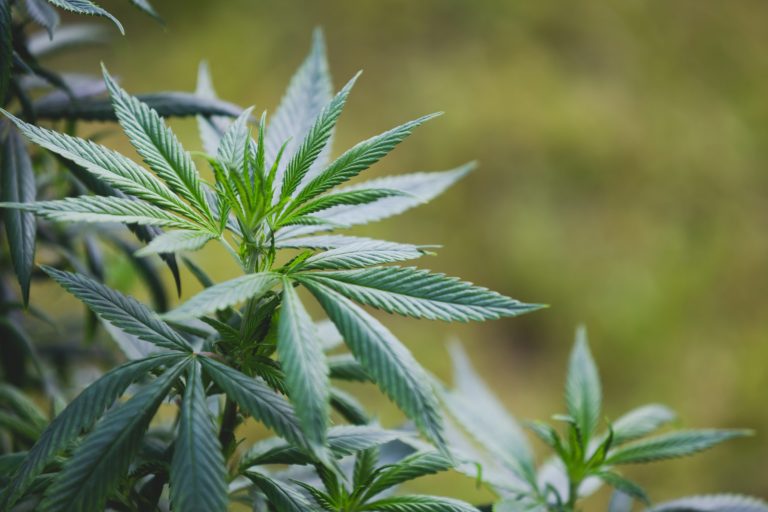

How does CBD affect sleep and insomnia?
How does CBD affect sleep and insomnia?
Do you find yourself tossing and turning, counting sheep, and sleep still won't come? Or perhaps you wake up at night, unable to fall back asleep? Sleep problems are affecting a growing segment of society and can significantly reduce quality of life. In search of effective and safe methods to improve sleep, many people are turning to natural products like CBD oils. But are CBD oils a true breakthrough in treating insomnia, or just a passing fad? In this comprehensive article, we'll examine the scientific basis, practical aspects, and expert opinions on using CBD for sleep.
How important is healthy sleep and what is insomnia?
Sleep is the foundation of physical and mental health. During the night, the body regenerates, consolidates memory, and regulates the hormonal and nervous systems. Unfortunately, a growing number of people struggle with insomnia, which is chronic difficulty falling or staying asleep, or a feeling of unsatisfactory rest after waking.
Insomnia manifests itself in many ways, including:
- difficulty falling asleep lasting more than 30 minutes,
- frequent awakenings at night,
- waking up prematurely in the morning,
- feeling tired, sleepy and irritable during the day,
- decreased concentration and worsening mood.
If insomnia persists for more than three months and occurs at least three times a week, it's considered chronic insomnia, which can have serious health consequences, such as an increased risk of heart disease, depression, and metabolic disorders. Therefore, it's important not to ignore the problem and choose effective treatment methods.
Traditional Insomnia Treatments – What Does Science Say?
Although many people associate insomnia treatment with sleeping pills or dietary supplements, modern medicine suggests other, more long-term and safe solutions. The most effective therapeutic method for treating insomnia is cognitive behavioral therapy for insomnia, known as CBT-I (Cognitive Behavioral Therapy for Insomnia).
What is CBT-I and why is it so effective?
CBT-I is a form of psychological therapy that focuses on changing negative thoughts and behaviors related to sleep and on introducing healthy habits and rituals that promote restorative sleep. Numerous studies have shown this therapy to be more effective and longer-lasting than pharmacotherapy.
The basic elements of CBT-I include:
- stimulus control – eliminating factors that distract from sleep,
- sleep restriction – temporarily limiting the time spent in bed to improve its effectiveness,
- relaxation techniques – methods of reducing tension and stress,
- education on sleep hygiene – principles conducive to good rest.
In practice, this means that insomnia isn't just a problem with resting at night, but also with daily thoughts and habits. This is why CBT-I's holistic approach is so effective.
What is CBD and how does it work for sleep?
CBD, or cannabidiol, is one of the natural compounds found in cannabis. Unlike THC, it has no psychoactive properties, meaning it doesn't cause intoxication. It has gained popularity due to its diverse therapeutic effects, including anti-anxiety, analgesic, and relaxation properties.
The mechanism by which CBD affects the body is complex and still under investigation. It primarily affects the endocannabinoid system, which regulates numerous physiological functions, including sleep, mood, pain, and appetite.
Potential Benefits of CBD for People with Sleep Disorders
Due to its calming and anti-anxiety properties, CBD may help people whose sleep problems stem from stress or emotional issues. Cannabidiol may improve sleep quality by:
- reduction of anxiety and tension,
- relieving pain that makes it difficult to fall asleep,
- regulation of the sleep-wake cycle,
- promoting deeper REM sleep stages, which are essential for brain regeneration.
Many CBD users report improved sleep and a feeling of rest after a night of using the oil. But is this enough to consider CBD an effective treatment for insomnia?
What do experts say about the effectiveness of CBD oils in treating insomnia?
Dr. Małgorzata Fornal-Pawłowska, a sleep disorders specialist, emphasizes that despite the growing popularity of CBD oils, there is currently a lack of reliable and solid scientific research confirming their effectiveness in treating insomnia. Current studies are often imprecise, have limited participant numbers, or use varying methods of CBD administration, making it difficult to draw clear conclusions.
It's also important to remember that CBD isn't a cure-all for every sleep disorder. It can help improve sleep quality in people with anxiety or chronic stress, but it's not a substitute for professional therapy or medical diagnosis for serious sleep disorders.
CBD products market – what is worth knowing?
Currently, the market for CBD supplements and preparations is growing rapidly. You can find oils, capsules, creams, and even food products containing cannabidiol. However, it's worth paying attention to a few key aspects to avoid falling into the trap of dishonest manufacturers:
- Certificates and quality tests: choose products with confirmed CBD content and a safe profile,
- CBD concentration: too low a concentration may not bring any results, too high a concentration may cause unnecessary costs and the risk of side effects,
- Form of application: Sublingual oils work faster than capsules, but require regularity,
- Drug interactions: CBD may affect the metabolism of some medications, so consulting a doctor is essential.
How to improve your sleep without drugs or supplements?
Whether you choose CBD or other methods, it's important to implement good sleep hygiene practices, which are the foundation of healthy rest. Here are some proven tips:
1. Sleep regularity
Try to go to bed and wake up at similar times every day, even on weekends. This helps regulate your internal biological clock.
2. Appropriate bedroom conditions
Maintain an optimal temperature (around 18-20°C), darken the room, and eliminate sources of noise. A comfortable bed and bedding are essential.
3. Avoiding screens before bed
Blue light emitted by smartphones, tablets, and televisions inhibits the production of melatonin, the sleep hormone. Put away your devices at least an hour before you plan to fall asleep.
4. Relaxation techniques
Try meditation, deep breathing, yoga, or a warm bath to calm your body and mind.
5. Limit caffeine and alcohol
Caffeine can keep you awake for hours after consumption, and alcohol, while it helps you fall asleep, worsens the quality of your sleep in the second half of the night.
Practical examples of using CBD for sleep
For those interested in trying CBD oils for sleep problems, here are some practical tips to consider:
- Start with a low dose: It is recommended to start with a small dose of CBD (e.g. 5-10 mg) and gradually increase it, observing the body's reaction.
- Regularity: Use CBD daily for at least a few weeks, as the effect may take time to appear.
- Consultation with a doctor: especially if you are taking other medications or have chronic conditions.
- Observe the effects: Keep a sleep journal to assess whether CBD helps with falling asleep, sleep quality, and how you feel upon waking.
Table: Comparison of Insomnia Treatments – CBD vs. CBT-I
| Method | Effectiveness | Security | Operating time | Availability |
|---|---|---|---|---|
| CBD | Potential improvement in people with anxiety and pain (no conclusive studies) | Generally good, but possible drug interactions | The effect may appear after weeks | Easily available, without a prescription |
| CBT-I | High, proven in numerous studies | Safe, no side effects | Long-term improvement after therapy | Available from specialists, sometimes online |
CBD and Sleep FAQs
Is CBD oil legal and safe?
Yes, in Poland and many other countries, CBD oils are legal as long as they contain less than 0.21 TP3T THC. They are considered safe, but people taking medications should consult a doctor.
Is CBD addictive?
No, CBD does not have any addictive or psychoactive properties.
How long does CBD need to be used to see effects on sleep?
Some people feel improvement after the first day, but typically several weeks of regular use are needed.
Can CBD be used with sleep medications?
Interactions may occur, so it is always worth consulting your doctor before combining CBD with other medications.
What are the possible side effects of using CBD?
These may include fatigue, dry mouth, dizziness, or changes in appetite, but these are usually mild and rare.
Summary – is it worth using CBD for insomnia?
Sleep problems are a serious challenge that requires an individualized approach and often requires collaboration with a doctor or sleep specialist. CBD oils are gaining popularity as a natural way to promote relaxation and reduce stress, which may indirectly aid sleep. However, there is currently insufficient scientific evidence to consider them an effective treatment for insomnia.
The best and safest solution remains cognitive behavioral therapy (CBT-I), which offers long-term improvement in sleep quality without the risk of addiction or medication-related side effects. CBD can be a valuable supplement, especially for insomnia related to anxiety or pain, but it should always be preceded by a medical consultation and combined with good sleep hygiene.
When choosing sleep improvement methods, it's important to remember that sleep is a complex process influenced by our emotions, lifestyle, and daily habits. Investing time in learning relaxation techniques, healthy rituals, and professional therapy can yield lasting results and improve your quality of life for years to come.
Take care of your sleep consciously – it is an investment in your health, energy and well-being every day.