
Does Self-Medicating with Cannabis Increase Paranoia? Reality, Myths, and Research Analysis
Have you ever wondered whether using cannabis for self-medication might exacerbate feelings of paranoia? Or perhaps you're worried that the information you're reading in the media is exaggerated or even downright false? In today's article, we'll dispel your doubts, explain the complexities of scientific research, and show you how to avoid being manipulated by alarmist headlines. I invite you to an in-depth, substantive analysis that will help you understand the real impact of cannabis on mental health and how to use it consciously and safely.
Cannabis Self-Medication – Between Recreational and Medical Use
Before discussing paranoia, we should define what cannabis self-medication actually is. In practice, users turn to marijuana for two primary reasons:
- Recreational use – for pleasure, relaxation, fun and relaxation.
- Self-medication (informal medical) – due to physical or mental ailments such as chronic pain, anxiety, depression or sleep disorders.
These two groups differ not only in motivation but also in doses, the type of product used, and the context of use. These differences result in distinct pathways related to psychological experiences, including the possible emergence of paranoia.
What are the differences in effects? Context and dosage matter.
Research suggests that people who use cannabis for self-medication may report more negative psychological experiences than recreational users. However, this is often a result of complex causes – for example, people already struggling with mental health problems may be more susceptible to side effects or may choose the wrong dose.
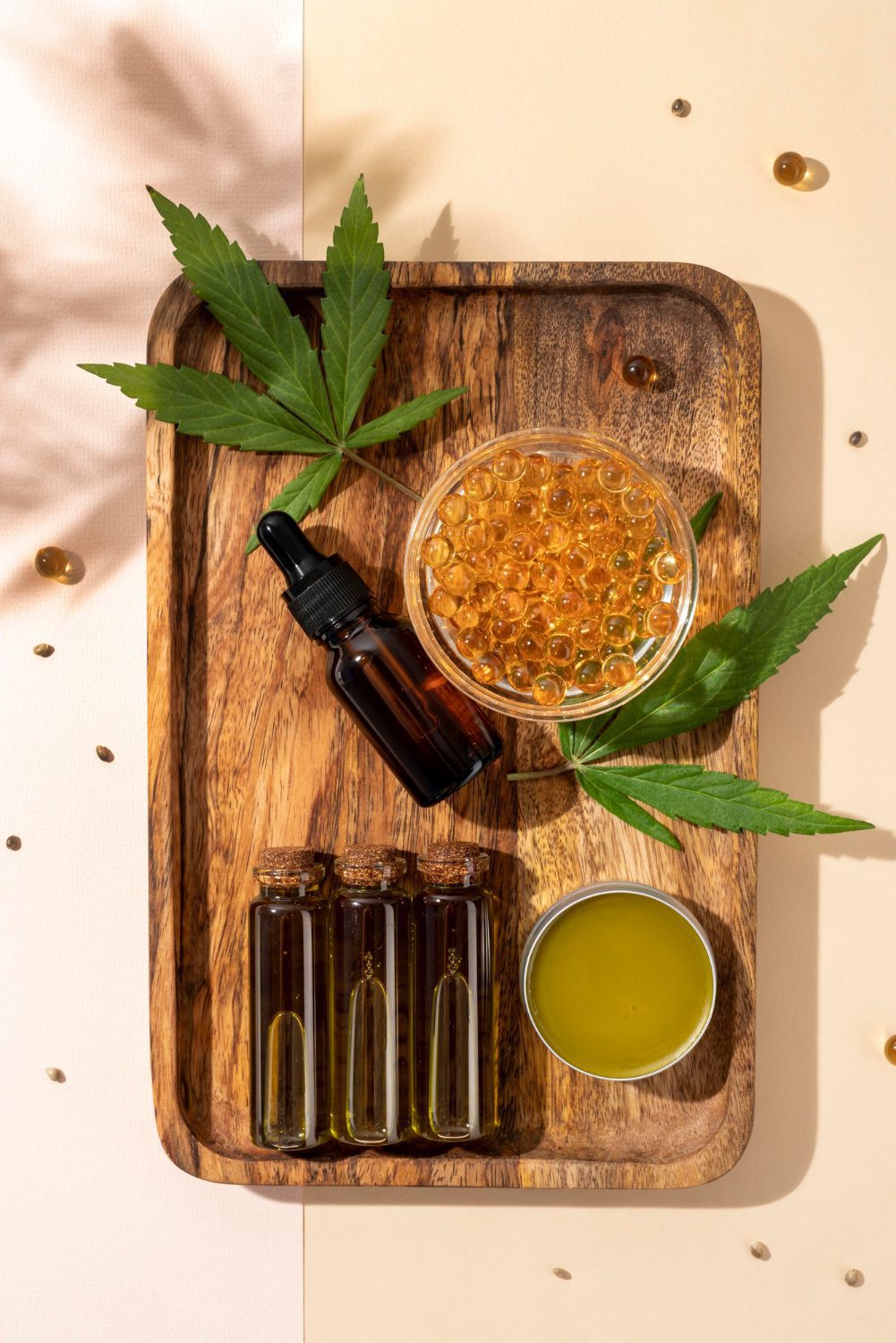
It's also worth remembering that cannabis isn't just one product, but a wide range of strains, varying in their content of THC (tetrahydrocannabinol, a psychotropic compound) and CBD (cannabidiol, a compound with soothing potential). It's this balance, not cannabis use per se, that may contribute to paranoia.
What does the research say? – Contrasting results and their interpretations
In August 2025, a scientific paper from King's College London, published in BMJ Mental Health, suggested that people who self-medicate with cannabis were at higher risk of paranoia, anxiety, and depression compared to recreational users. The media quickly seized on this information, often presenting it in a simplistic and alarmist manner.
Examples included the headline "Cannabis users who self-medicate run a higher risk of paranoia" and a press release from King's College that sounded very causal. However, the study itself and its methodology contain many nuances that the media missed.
The most important reservations about the study and its media interpretation
- This is not an experimental study, but an observational one. – this means that it shows correlation, not causation.
- Motivation to use cannabis may be a consequence, not a cause, of mental health problems. – People with anxiety and paranoia may use marijuana to alleviate their symptoms, not the other way around.
- The dose and type of cannabis were not precisely controlled – which complicates the assessment of the actual impact of THC and CBD on mental state.
- There is a risk of bias called "weaponizing studies" – that is, using research results to confirm prejudices and stigmatize cannabis users.
In practice, this means that claims about an „increase in paranoia” may not only be scientifically insufficient, but also socially harmful, discouraging people who could benefit from cannabis therapy under the supervision of a specialist.
Paranoia and cannabis – neurobiological and psychological mechanisms
So what do we know about how marijuana might affect paranoia? Paranoia is a feeling of excessive anxiety, often accompanied by suspicions that someone is trying to harm us. In the context of cannabis, it's the result of complex neurochemical interactions, individual predispositions, and the external environment.
The Role of THC and CBD
THC is known for its psychoactive effects, which can cause feelings of anxiety or paranoia in some people, especially at high doses or with sensitive individuals. CBD, on the other hand, can modulate these effects, acting as a sedative and anti-anxiety agent.
That is why preparations with a high CBD to THC ratio are currently being researched and increasingly used medically to minimize the risk of negative psychological experiences.
Individual predispositions
Not everyone reacts to cannabis the same way – genetics, mental health, life experiences, and environment all play a significant role. People with a history of mental illness, particularly schizophrenia, are at increased risk of worsening symptoms with high THC.
Healthy people, on the other hand, often experience euphoric and relaxing effects without unwanted side effects.
The importance of context of use
Using cannabis in stressful situations, alone or without support, can contribute to anxiety and paranoia. However, in a friendly environment, with trusted individuals and in a calm environment, the experience is usually positive.
How to avoid negative effects and use cannabis safely?
If you are considering using cannabis for self-medication, there are a few key principles to keep in mind that will help minimize the risk of adverse psychological effects:
- Choose products with a balanced CBD and THC content – high CBD alleviates potential paranoia caused by THC.
- Start with low doses – this will allow you to observe your body’s reaction and adjust your use.
- Use in a safe and comfortable environment – the presence of trusted people and a calm atmosphere create a sense of security.
- Avoid mixing with alcohol and other psychoactive substances – they may intensify the adverse effects.
- Consult your doctor or medical marijuana specialist – professional assessment and support are invaluable in therapy.
- Be aware of your predispositions and health history – if you have a family history of mental illness, be especially careful.
Practical tips for users and patients
- Write down your experiences and mood changes – this will help you better understand the effects of cannabis on your body.
- Don't be afraid to ask questions and seek expert opinions – the CBD and medical marijuana market is constantly evolving.
- The benefits of self-medication are often real – but they require mindfulness and responsibility.
How can the media and society better address the topic of cannabis and paranoia?
The problem with the topic of paranoia and cannabis isn't just the research itself, but how it's interpreted and used in public discourse. Stereotypes and old prejudices against marijuana persist and often lead to unnecessary stigmatization.
„"Weaponizing studies"”, i.e., using incomplete or imprecise results to confirm negative opinions about cannabis, harms the entire community of users – both recreational and medical.
What can be done to change this situation?
- Promote reliable, evidence-based sources of information.
- Pay attention to the context and nuances of research – do not draw hasty conclusions.
- Support education on the medical and psychological aspects of cannabis.
- Encourage dialogue between scientists, patients and users.
Table: Comparison of the effects of recreational and self-medication cannabis use
| Aspect | Recreational use | Self-medication with cannabis |
|---|---|---|
| Motivation | Pleasure, relaxation, fun | Relief of pain, anxiety, and sleep problems |
| Dose and composition of the product | Often higher doses of THC, less varied | Most often lower doses, products with higher CBD |
| Risk of paranoia | Lower in people without predisposition, variable | Higher in people with mental health problems, depending on dose and condition |
| Usage environment | Sociable, relaxing | Often lonely, in stressful situations |
| Potential benefits | Relaxation, unwinding | Relieving symptoms, improving quality of life |
Frequently Asked Questions (FAQs) About Cannabis Self-Medication and Paranoia
Can anyone who uses cannabis experience paranoia?
No, the occurrence of paranoia depends on many factors – dose, product composition, individual sensitivity, environment and psychological predisposition.
Does CBD protect against THC-induced paranoia?
Yes, research suggests that CBD has anti-anxiety effects and may alleviate the unpleasant psychoactive effects of THC, including paranoia.
What are safe doses of cannabis for self-medication?
There is no one universal dose – it is best to start with very low doses and observe your body's reaction, as well as consult your doctor.
Is cannabis-induced paranoia permanent?
Usually not – for most people, symptoms subside once the effects of THC wear off, but for people with mental illnesses, specialist treatment may be required.
Summary – How to approach cannabis self-medication responsibly, avoiding paranoia
In summary, concerns about increased paranoia among those self-medicating with cannabis often stem from misinterpretation of research and a lack of full context. The truth is more complex – it's not the mere act of using marijuana that leads to mental health problems, but many interacting factors, such as individual sensitivity, dosage, product type, and motivation for use.
The key message is not to scare potential patients and users with unsubstantiated simplifications, but instead to promote education about the conscious, safe use of cannabis, under the supervision of specialists.
If you are using cannabis for self-medication, remember to:
- good selection of a product with the right ratio of THC to CBD,
- gradually increasing the dose,
- taking care of a comfortable and favorable environment,
- awareness of one's psychological predispositions,
- regular monitoring of effects and consultation with a doctor.
This way, you can maximize the benefits and minimize the risks, and also combat false narratives about cannabis and mental health.