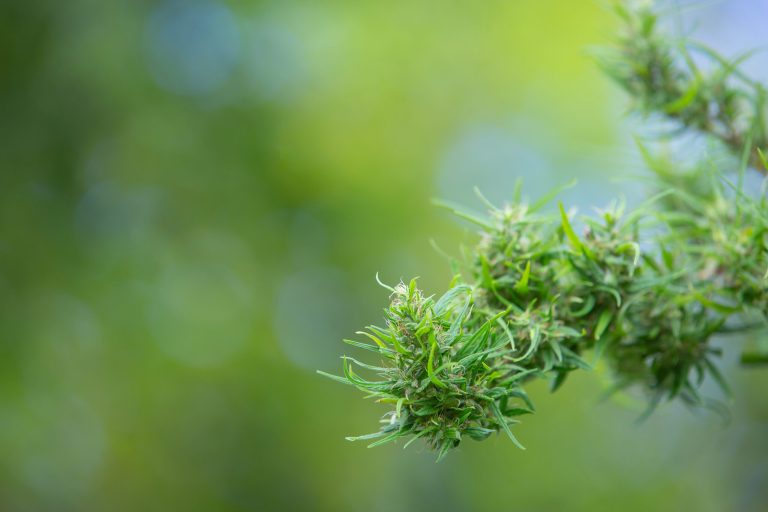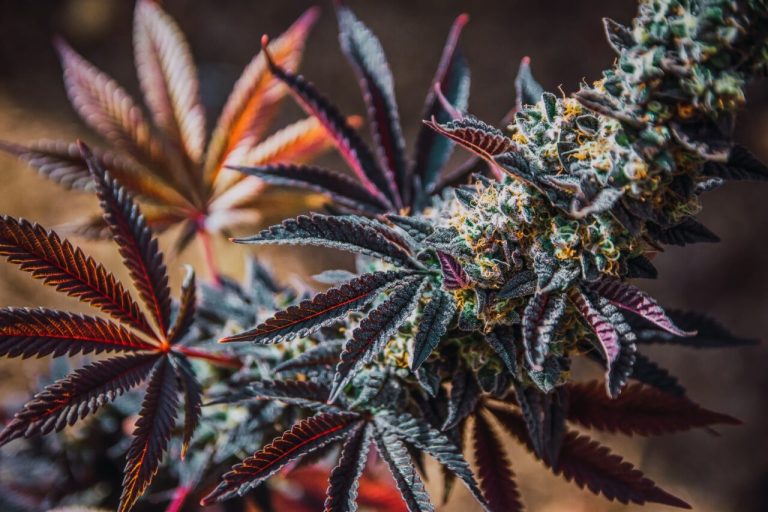


![Available Medical Marijuana Strains – How to Choose the Right One? [October 2025] - Cannabis Strains](https://ubucha.pl/wp-content/smush-avif/2025/10/636f623b-4d43-4dde-bae7-d298163d1744.jpg.avif "Available Medical Marijuana Strains – How to Choose the Right One? [October 2025]")

Available Medical Marijuana Strains – How to Choose the Right One? [October 2025]
Have you ever wondered how to choose the right medical marijuana strain that will provide you with real relief and improve your well-being? With the growing number of products and strains available on the market, this decision can seem difficult and overwhelming. This article will help you understand the world of medical marijuana, highlighting key aspects to consider before making a choice. You'll learn about the most popular strains available in October 2025, their cannabinoid and terpene profiles, and how to choose one that best suits your individual health needs.
Why is choosing the right strain of medical marijuana so important?
Medical marijuana isn't just a single plant with universal benefits. In fact, different strains have distinct pharmacological properties that can support the treatment of various conditions. Choosing the wrong strain can lead to undesirable effects or a lack of expected results. Therefore, understanding the characteristics of individual strains allows for effective, safe, and personalized therapy.
Additionally, medical marijuana affects the body through the synergistic action of several compounds, primarily cannabinoids and terpenes. Their unique combinations influence the therapeutic effect and possible side effects. This is why it's crucial to understand which varieties are available on the market in 2025 and what their characteristics are.
Currently Available Medical Marijuana Strains – October 2025
Overview of the most important varieties with profiles and effects
| Variety | THC / CBD | Type | Terpene profile | Effects and application |
|---|---|---|---|---|
| Aurora 8% – Equiposa (EQ) | THC:CBD Balance | Indica | Myrcene, Pinene | Relaxing, pain relieving, earthy and pine aroma |
| S-Lab 18% – Sweet Berry Kush (SBK) | 18% | 50/50 hybrid | Caryophyllene, Limonene, Myrcene, Linalool | Mood improvement, relaxation, typical side effects: dry mouth |
| Cosma 20% – Gorilla Girl (BSG) | 20% | 60% Sativa / 40% Indica Hybrid | Caryophyllene, Limonene, Pinene, Linalool | Relaxation, mood improvement, citrus and berry aromatic notes |
| Canopy 20% – Bakerstreet (BKS) | 20% | Indica | Myrcene, Linalool, Humulene, Caryophyllene | Peace, sleepiness, feeling of happiness |
| Canopy 19% – Red No2 (Jack Haze) | 19% | Sativa | Pinene, Myrcene, Ocymene, Terpinolene | Improved mood, euphoria, appetite |
| Synoptis 22% – Island Sweet Skunk (ISS) | 22% | Hybrid | Caryophyllene, Pinene, Terpinolene, Nerolidol | Stress reduction, mood improvement |
How to understand cannabinoid and terpene content?
Cannabinoids, such as THC and CBD, are the main active compounds in medical marijuana. THC is primarily responsible for its psychoactive effects, but also provides pain relief, appetite stimulation, and anti-inflammatory effects. CBD, on the other hand, does not exhibit psychoactive effects but possesses strong anxiolytic, anti-inflammatory, and neuroprotective properties.
The balance of THC and CBD in a given strain influences its therapeutic potential and side effect profile. For example, high-CBD strains are often recommended for patients who want to avoid the high while still benefiting from pain-relieving or anti-anxiety properties.
Terpenes are natural essential oils that give plants their characteristic aromas and flavors. They also have their own pharmacological effects and modulate the effects of cannabinoids, creating the so-called "entourage effect." For example, myrcene has a calming effect, while limonene has antidepressant and stimulating effects.
The most important terpenes in medical marijuana
- Myrcene – has an analgesic, calming effect, promotes falling asleep.
- Pinene – improves concentration, has anti-inflammatory and antispasmodic properties.
- Caryophyllene – has anti-inflammatory and analgesic effects, can relieve stress.
- Limonene – improves mood, has antidepressant and anti-anxiety properties.
- Linalool – has a calming and anti-anxiety effect.
Types of Marijuana Strains – Indica, Sativa, and Hybrids
Traditionally, medical marijuana is divided into three main types, differing primarily in their effect on the patient:
Indica
Indica strains are known for their relaxing, sedative effects and often induce drowsiness. They are ideal for those suffering from chronic pain, insomnia, muscle tension, and anxiety. Example: Aurora 8% – Equiposa.
Sativa
Sativa has a stimulating effect, improving mood and energy. It is often used to treat depression, fatigue syndrome, and loss of appetite. However, it can cause a feeling of euphoria, which is not recommended for those with mental health issues. Example: Canopy 19% – Red No2 (Jack Haze).
Hybrids
These are blends of indica and sativa traits, with the proportions varying. Hybrids are most commonly used medicinally because they offer balanced effects. Examples include: S-Lab 18% – Sweet Berry Kush i Cosma 20% – Gorilla Girl.
How to choose a strain for your individual medical needs?
Variety selection should be based on several key factors:
- Type of ailment – e.g. chronic pain, anxiety, sleep problems, depression.
- Desired effect – whether you need relaxation and sleep, or energy and mood improvement.
- THC tolerance – people not used to THC should choose varieties with low THC and higher CBD.
- Terpene profile – it is worth paying attention to terpenes, which enhance the therapeutic effect.
- Form of application – dried herbs, oils, capsules, etc., which influence the speed and intensity of the effects.
It is always worth consulting a specialist who will help you choose the right variety and dosage, taking into account your medical history and current treatment.
The Importance of Terpene Profile in Medical Marijuana Therapy
The terpene profile is an often-overlooked, yet crucial, element of strain selection. Terpenes interact with cannabinoids, enhancing or modifying their effects. Here are some examples of how terpenes impact therapy:
- Myrcene supports the calming effects of THC, which is beneficial for nerve pain and muscle tension.
- Limonene boosts mood and has antidepressant effects, which may support the treatment of depression and anxiety.
- Caryophyllene has anti-inflammatory properties, which is important in autoimmune diseases and inflammatory conditions.
Thanks to this, choosing a variety with the appropriate terpene profile allows for better tailoring the therapy to the patient's individual needs, which translates into more effective treatment.
Practical tips for using medical marijuana
Using medical marijuana requires mindfulness and consistency. Here are some practical tips:
- Start with low doses – especially if you're a beginner. This helps avoid unpleasant side effects.
- Monitor the effects – keep a journal of dosage, effects and possible side effects, which will help optimize therapy.
- Choose the appropriate form of administration – inhalations work quickly, oils and capsules take longer, but the effect lasts longer.
- Avoid combining with alcohol – this may exacerbate the effects of THC, leading to excessive drowsiness or anxiety.
- Take care of the right place and atmosphere – especially on first uses to minimize anxiety.
Potential side effects and how to prevent them
While medical marijuana has many benefits, it can also cause unwanted side effects, especially if used incorrectly:
- Dry mouth – the most common side effect, can be alleviated by drinking water and using moisturizing lozenges.
- Dizziness and drowsiness – may occur with excessively high doses of THC.
- Anxiety and paranoia – rare, but possible with high THC, especially in mentally vulnerable individuals.
- Concentration and memory disorders – usually temporary, but important when driving or operating machinery.
It's important to consult with your doctor and report any concerning symptoms. Optimizing the dose and changing the strain often effectively eliminates the problem.
Summary: How to choose the right strain of medical marijuana?
Choosing the right medical marijuana strain requires understanding your health needs, familiarizing yourself with cannabinoid and terpene profiles, and being aware of the effects you want to achieve. The current offerings, as of October 2025, are rich and diverse, providing the opportunity for effective and personalized therapy.
Remember to consult your doctor, regularly monitor your effects, and adjust your dosage accordingly. This allows medical marijuana to become a valuable support in the treatment of many conditions, improving your quality of life and overall health.
Frequently asked questions (FAQs) about choosing a medical marijuana strain
1. Can I choose my own strain of medical marijuana?
It's recommended to consult with a doctor or cannabis specialist, especially if this is your first experience with medical marijuana. A specialist will help you choose the right strain and dosage for your condition.
2. How long does the effect of medical marijuana last?
This depends on the form of administration. Inhalation works within minutes and lasts for 2-3 hours, while oils and capsules have a slower onset of action but can last for 6-8 hours.
3. Is medical marijuana addictive?
It does not exhibit the typical addictive properties of opioids, but tolerance can develop. Therefore, appropriate use under medical supervision is important.
4. How to store medical marijuana?
In airtight, dark containers, in a cool, dry place to maintain freshness and therapeutic properties.
Encouragement to action
If you're considering medical marijuana therapy, don't delay—learn about the available strains, their profiles, and their effects. Informed choice is the first step to improving your health and quality of life. Seek professional advice, experiment with dosages and strains safely, and you'll discover the potential medical marijuana offers in 2025.