Adaptogens are plants, fungi, and plant extracts that help the body maintain balance in the face of physical and mental stress. On this page, you will find an overview of the most important adaptogens available at u Bucha — ashwagandha, Lion's Mane, reishi, and others — along with a selection guide, dosing tips, and answers to frequently asked questions.
How to choose adaptogens? A practical guide
The adaptogen supplement market is growing rapidly: in a meta-analysis from 2019 (Panossian et al., Phytomedicine) over 3000 publications were analyzed, confirming that standardized extracts significantly lower cortisol levels and stress markers compared to placebo. Before reaching for your first supplement, it's worth knowing what to pay attention to.
1. Purpose of use — each adaptogen has a different action profile. Ashwagandha targets cortisol reduction and sleep improvement (Chandrasekhar 2012); lion's mane supports memory and NGF; reishi modulates immunity; shilajit provides fulvic acid and minerals for energy. Tailor your choice to a specific goal, as mixing everything at once can complicate the assessment of effects.
2. Standardization of the extract — check if the manufacturer provides the content of active substances: withanolides in ashwagandha (minimum 5% in the studied KSM-66 extracts), beta-glucans in mushrooms (minimum 20–30%) or hericenone/erinacine in Lion's Mane. Lack of standardization is a warning sign.
3. Extraction method — medicinal mushrooms require double water-alcohol extraction to release both polysaccharides (water-soluble) and triterpenes (alcohol-soluble). Powder from dried fruiting bodies without extraction contains significantly fewer active ingredients — according to Mori et al. (2009) clinical effects were obtained exclusively from standardized extracts.
4. Certifications and laboratory tests — look for products with GMP certifications tested by independent laboratories (COA). Solve Labs products are verified by DNA testing and purity tests, ensuring the authenticity of the species and the declared content of active substances. The GMP certificate is recognized as the minimum safety standard for dietary supplements.
5. Form of the supplement — capsules offer convenient, precise dosing; powders can be added to coffee or smoothies; gummies are often chosen by those who dislike swallowing capsules. Choose a form that you will actually use regularly — consistency is key to the effects. In the Mori study (2009) participants took capsules with powder 3 times a day for 16 weeks — the key was not the form, but the regularity.
6. Price per mg of active substance — a cheap product without standardization often costs more "for the effect" than a more expensive, concentrated 10:1 extract. Calculate the cost per dose of the active ingredient, not per package. Gummies with Lion's Mane Vegan (79 zł for 60 pcs) are only 1.30 zł per serving of good quality extract.
Who are adaptogens NOT suitable for? Pregnant and breastfeeding women should avoid most adaptogens (lack of safety data). Individuals taking immunosuppressive, anticoagulant, or antidiabetic medications — particularly reishi and chaga — should consult a doctor before supplementation, as pharmacological interactions are documented in the scientific literature.
Most popular products in the adaptogens category
The offer at u Bucha focuses on three pillars: medicinal mushrooms (mainly Lion's Mane and reishi), functional cocoa and coffees with adaptogens, and supplements in capsules. Below is an overview of noteworthy products.
If you are looking for a pure, concentrated source of lion's mane, Lion's Mane 10:1 Mushroom Powder 30g SOLVE LABS (41.65 zł) provides double-extracted powder confirmed by DNA testing. The 10:1 extract means that 1 g of powder corresponds to 10 g of dried fruiting body — this is a high concentration at an affordable price. You can easily add it to your coffee or morning smoothie.
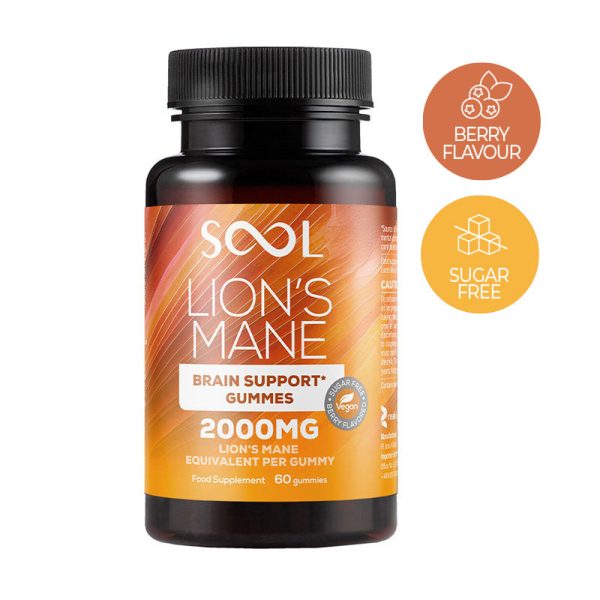
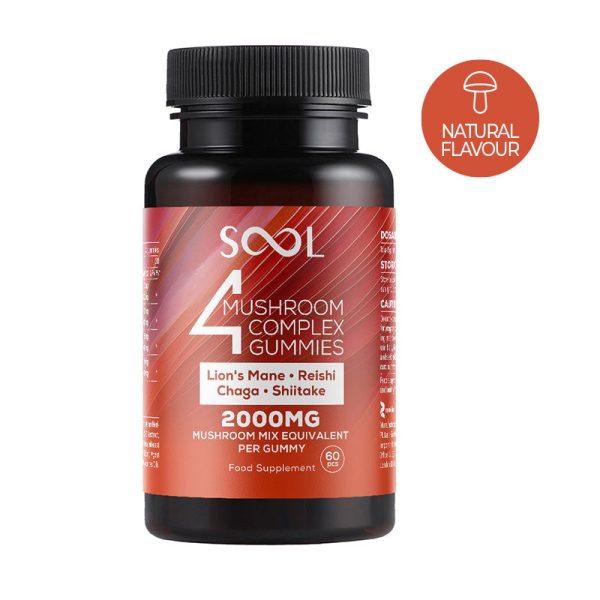
Those who prefer a convenient form without powders will find an excellent alternative in Lion's Mane Mushroom Gummies Vegan 60 pcs (79 zł) — contain a total of 2000 mg of extract per package, are 100% vegan, and contain no dyes. For those who want a broader spectrum of mushrooms in one serving, 4 Mushroom Gummies 60 pcs (Berry) (89 zł) combine Lion's Mane, Chaga, Reishi, and Cordyceps with a berry flavor. The 100% plant-based option is 4 Mushroom Complex Gummies Vegan 60 pcs (89 zł) — the same mushroom composition, without gelatin and artificial dyes.
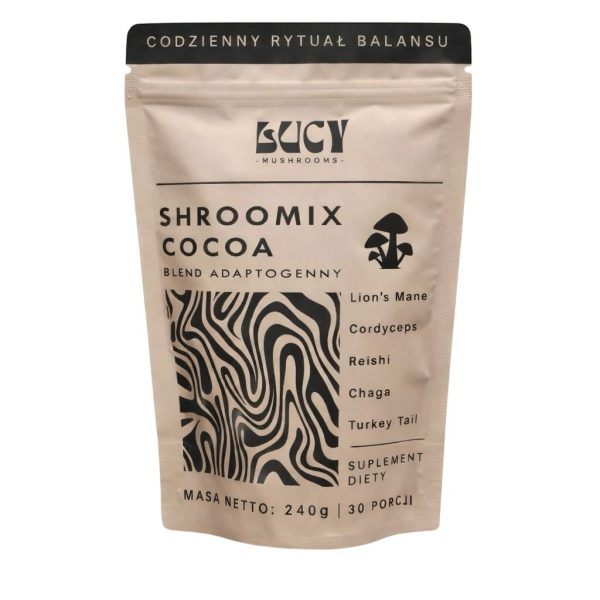
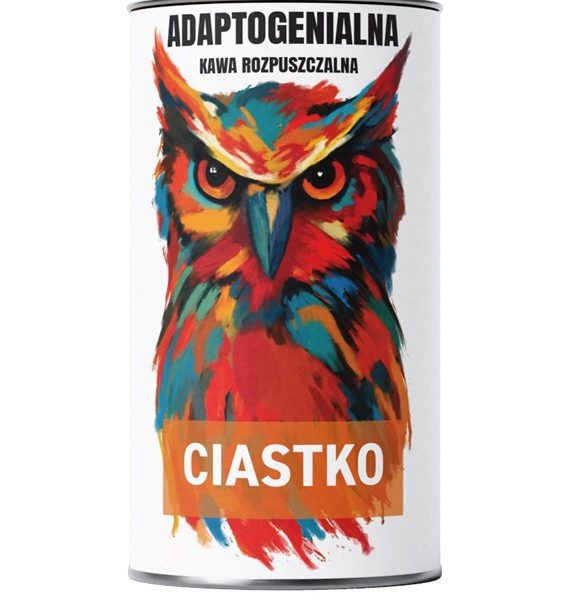
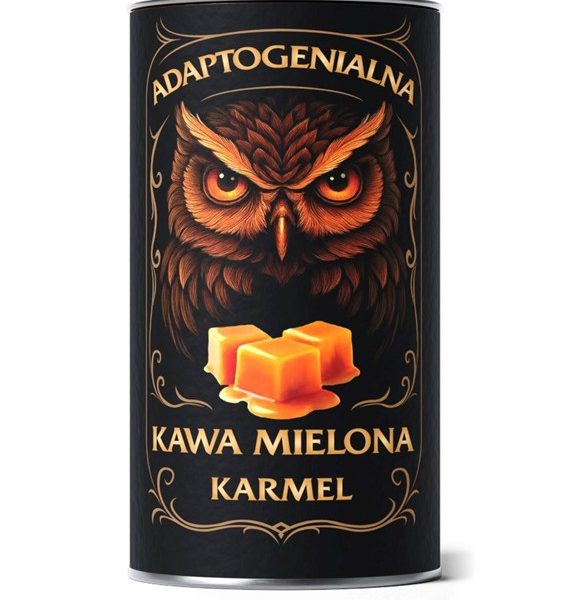
You can enhance your daily coffee ritual with adaptogens thanks to Divine Coffee with Mushrooms 240g Divine Goods (139 zł): instant coffee with 500 mg of extract from each mushroom (Lion's Mane, Cordyceps, Chaga), MCT oil, rhodiola, and L-theanine. The result is morning energy without jitters. For chocolate lovers, the suggestion is Divine Cocoa by.herbs 270g Divine Goods (159 zł) with a 10:1 lion's mane extract and Rhodiola rosea, or Shroomix — Functional Cocoa with Adaptogens 240g (149 zł), which contains as much as 5 standardized mushroom extracts (Lion's Mane, Reishi, Chaga, Cordyceps, Turkey Tail) without sugar — sweetened with erythritol, making it suitable for those monitoring their glucose levels.
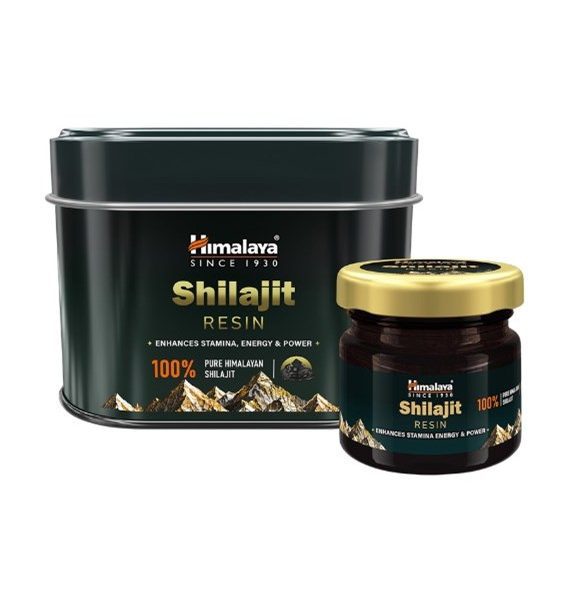
If you prefer gummies with additional neurological support, Mushroom Focus Gummies 240g SOLVE LABS (75.65 zł) contains 500 mg of Lion's Mane + 100 mg of L-theanine + 30 µg of vitamin B12 in each serving — sugar-free and gelatin-free, with a raspberry flavor. An addition to the offer is Himalaya Shilajit 60 caps (80.45 zł): pure shilajit from the Himalayas with fulvic acid ≥60%, a traditional Ayurvedic adaptogen used for energy support and mineralization, enough for a 2-month treatment.
How does ashwagandha and other adaptogens work? What do studies say?
The mechanism of adaptogens is based on modulation HPA axis (hypothalamus–pituitary–adrenal axis) — the main stress regulation system in the body. In a randomized study from 2012 (Chandrasekhar et al., Indian Journal of Psychological Medicine) 64 adults with chronic stress taking 300 mg of ashwagandha extract daily reported a 27.9% reduction in serum cortisol levels and a significant improvement in sleep quality compared to placebo after 60 days. This is one of the most frequently cited clinical evidence for the effectiveness of ashwagandha.
Lion's Mane, Hericium erinaceus) works differently — its hericenones and erinacines stimulate the synthesis of NGF (nerve growth factor), which supports neuron regeneration. A clinical study by Mori et al. (2009, Phytotherapy Research) showed significant improvement in cognitive test results in 30 older adults with mild cognitive impairment after 16 weeks of supplementation. You can read more about the mechanisms of Lion's Mane in the comprehensive guide to Lions Mane on the u Bucha blog.
Reishi (Ganoderma lucidum) is an adaptogen with a broad immunological spectrum. Its triterpenes (ganoderic acids) inhibit NF-κB activation, leading to anti-inflammatory effects; beta-glucans activate macrophages and natural killer cells. A review by Wachtel-Galor et al. (2011, Herbal Medicine: Biomolecular and Clinical Aspects) confirms its modulatory effect on the immune system, although the authors note that more large RCTs are needed. We also discussed the details in the article reishi mushroom — how it affects the human body.
It's also worth mentioning Rhodiola rosea — golden root, which is included in several products offered by u Bucha (Divine Cocoa, Divine Coffee). A review by Hung et al. (2011, Phytomedicine) covering 11 clinical studies showed that rhodiola reduced fatigue and improved mood at doses of 200–600 mg of extract daily. This makes it a good partner for Lion's Mane in the morning routine.
Who are adaptogens for — and who are they not for
Adaptogens are particularly effective for individuals experiencing chronic fatigue, difficulties with concentration, or reduced immunity without a clear medical cause. They are especially beneficial for students during intense study periods, individuals working under prolonged professional pressure, and athletes seeking natural recovery support. In the Mori 2009 study the beneficiaries of Lion's Mane were individuals over 50 years old with mild cognitive impairments — suggesting a particular value of mushroom adaptogens in middle and older age.
However, they are not an appropriate response to ailments requiring diagnosis and medical treatment. If you have chronic insomnia, severe clinical depression, thyroid diseases, or autoimmune conditions, adaptogens can at best complement therapy — never replace it. As mentioned above, some of them interact with medications at clinically documented levels, so talking to a doctor or pharmacist is the first step, not the last.
Adaptogens are not a magic solution without lifestyle changes. Studies that showed the strongest effects (e.g., a 27.9% reduction in cortisol in the Chandrasekhar protocol), were conducted on participants adhering to sleep and diet recommendations. Adaptogens work best as support, not a substitute for healthy habits.
Dosage and cycles of using adaptogens
Adaptogens work best when used regularly, but cyclically. The general rule is 6–8 weeks of supplementation, followed by a 2-week break — a cycle used in most clinical studies, including in the Chandrasekhar protocol 2012. Below are approximate dosage ranges for the most popular substances:
- Ashwagandha (KSM-66 or Sensoril extract): 300–600 mg daily, preferably in the evening after a meal.
- Lion's Mane (standardized extract): 500–1000 mg daily, in the morning or before mental work.
- Reishi (polysaccharide extract): 1–3 g daily, divided into 2 doses.
- Shilajit: 250–500 mg daily (e.g., 1 capsule Himalaya Shilajit), in the morning with warm water or milk.
Always start with the lower end of the dosage and observe your reaction for the first 7–10 days. Nausea, headache, or insomnia are signs that the dose is too high or the product is not suitable for you. Mushroom adaptogens (Lion's Mane, reishi) can be taken with or without food. Ashwagandha can be slightly stomach-irritating; in such cases, take it after a meal. In research protocols (Chandrasekhar 2012) participants took the supplement with food throughout the treatment period without breaks.
How long to wait for effects? Some people notice the first changes (calmer sleep, reduced irritability) after 1–2 weeks. Full benefits — improved concentration, stabilized energy — usually appear after 4–6 weeks of regular use. Do not expect immediate effects comparable to caffeine; adaptogens work gently and cumulatively.
Safety and contraindications
Adaptogens are generally well tolerated, but they have real contraindications. Below are the most important ones, based on data from scientific literature and pharmacological guidelines:
- Reishi and anticoagulants — reishi inhibits platelet aggregation; combining it with warfarin or aspirin increases the risk of bleeding. Consultation with a doctor is mandatory, according to the recommendations of Wachtel-Galor 2011.
- Ashwagandha and the thyroid — it may raise T3/T4 levels; individuals with hyperthyroidism or those taking thyroid hormones should exercise caution and monitor hormone levels regularly. 4–8 weeks.
- Chaga and antidiabetic medications — chaga lowers blood sugar; simultaneous use with insulin or metformin may lead to hypoglycemia. Regular monitoring of blood sugar levels is necessary.
- Pregnancy and lactation — there is insufficient research for most adaptogens; the default recommendation is to avoid supplementation.
- Autoimmune diseases — immunostimulating adaptogens (astragalus, reishi, chaga) may exacerbate symptoms of diseases such as lupus, multiple sclerosis, or rheumatoid arthritis. Consultation with a specialist is essential before starting supplementation.
You can find more about the specific action of lion's mane in the neurological context in the article adaptogens from mushrooms — lion's mane (Hericium erinaceus) on Buch's blog.
Frequently Asked Questions
What are adaptogens and how do they work on stress?
Adaptogens are natural substances (plants and mushrooms) that normalize the body's response to stress by acting on the HPA axis (hypothalamus–pituitary–adrenal). Unlike stimulants, they do not cause sudden excitement or a subsequent 'crash'. In the meta-analysis by Panossian 2019 standardized adaptogens significantly reduced stress markers compared to placebo in over 30 clinical studies.
What is the difference between ashwagandha and Lion's Mane?
Ashwagandha (withanolides) mainly affects the cortisol axis: it reduces stress, anxiety, and improves sleep. Lion's Mane (hericenones, erinacines) stimulates NGF synthesis and has neuroprotective effects, supporting memory and concentration. In the Mori 2009 study Lion's Mane improved cognitive functions after 16 weeks. They can be combined — ashwagandha in the evening, Lion's Mane in the morning — the mechanisms are complementary.
Can adaptogens be combined?
Yes, but it is recommended to start with 1 adaptogen for 2–4 weeks, and only then add another. Combining Lion's Mane with ashwagandha is popular and well tolerated. Avoid simultaneous use of several strong immunostimulants without supervision, especially if you are taking medications, as interactions are documented in clinical literature.
How long does it take to see the effects of adaptogenic supplementation?
Some individuals experience the first effects (better sleep, less irritability) after 1–2 weeks of regular intake. Full improvement in cognitive functions and energy stabilization usually occurs after 4–8 weeks. Adaptogens do not work like caffeine — their effect is cumulative and requires regularity.
Are adaptogens addictive?
No. Adaptogens work in a normalizing way — they do not lead to tolerance or physical dependence. Recommended 2-week breaks between 6–8-week cycles aim to maintain receptor sensitivity, not to avoid withdrawal symptoms. This is confirmed by studies on over 3000 participants observational studies.
What it is extract 10:1 and why is it important?
An extract in a 10:1 ratio means that 10 g of raw material was used for every 1 g of powder. This is a concentration indicator but does not replace information about standardization. A good product provides both values: extraction ratio and content of active substances (e.g., % beta-glucans) — just like Lion's Mane 10:1 SOLVE LABS 30g, verified by DNA studies and laboratory tests according to standards clinical standardization protocols.
Is reishi suitable for people with immune problems?
Reishi is one of the best-researched natural immunomodulators. It may support immunity in healthy individuals, but in patients with autoimmune diseases (lupus, MS, RA), it may enhance the activity of the immune system. In the Wachtel-Galor review 2011 the authors recommend medical consultation in cases of autoimmune conditions or immunosuppressive treatment.
Which form of adaptogen is the most effective — powder, capsules, or gummies?
Standardization is key, not the form. Capsules provide dosing precision; 10:1 powders are flexible; gummies (e.g. Mushroom Focus Gummies SOLVE LABS with 500 mg Lion’s Mane + 100 mg L-theanine) facilitate regularity. All 3 forms can be equally effective if the product meets standardization criteria.
This website is for informational and educational purposes only and does not replace consultation with a physician. If you are pregnant, breastfeeding, taking medication, or have a chronic condition, please consult a specialist regarding the use of supplements or herbs.