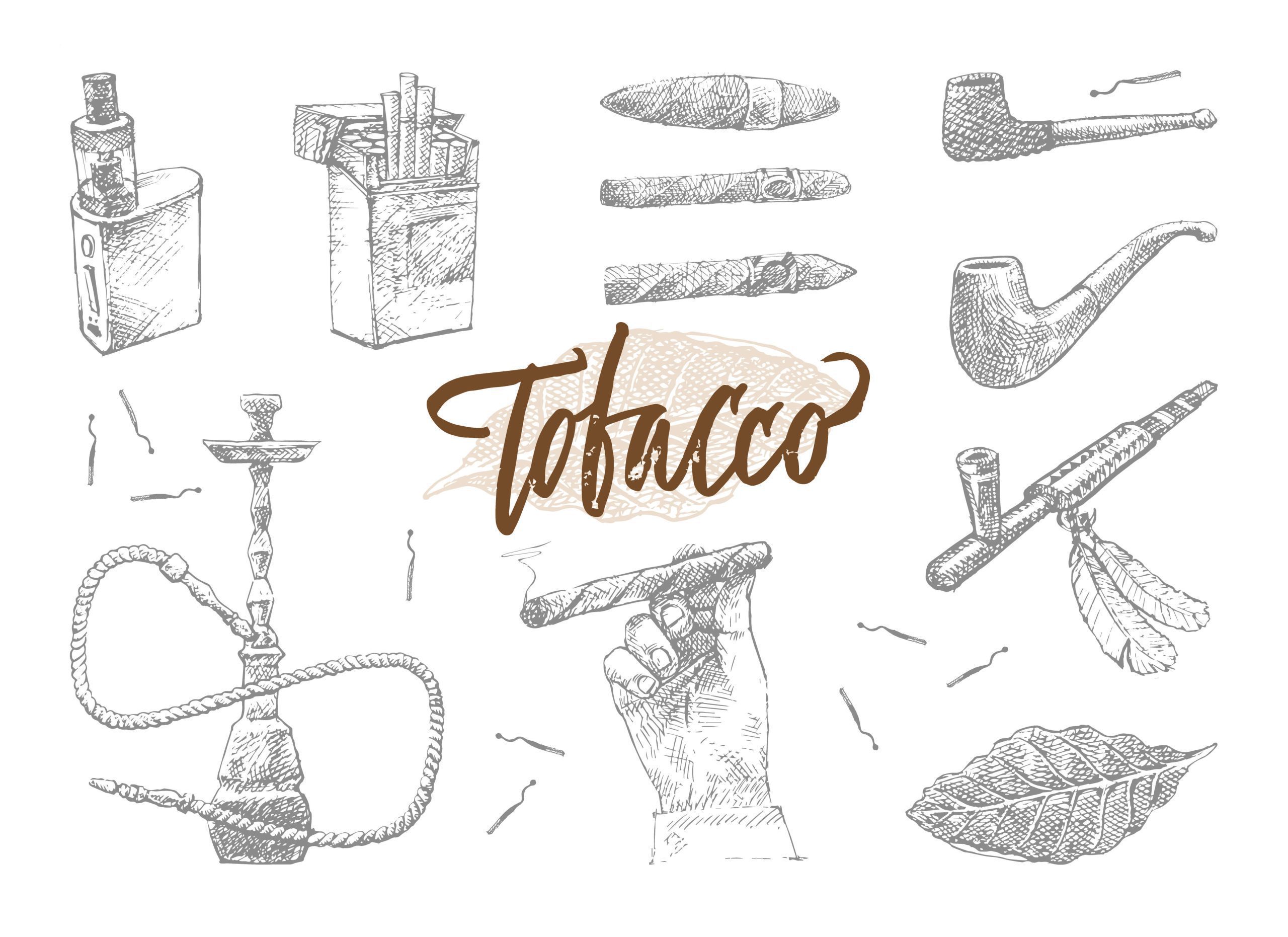

The History of Snuff – From Ancient Rituals to Modern Tradition
Have you ever wondered how a small pinch of powdered tobacco could become a symbol of luxury in royal courts, a cure for dozens of ailments, and yet the subject of religious prohibitions and medical debate? The history of snuff, also known as snuff powder, is a fascinating tale of discovery, cultural exchanges, fashions, and controversy, spanning from pre-Columbian Native American rituals to today's premium canned products.
In this unique article, as an expert in the history of stimulants and cultural traditions, I'll take you on a journey across continents and eras, discovering how snuff evolved from the sacred powder of shamans to the discreet ritual of modern enthusiasts. If you're looking for more than just dry facts, but also inspiring anecdotes, detailed descriptions, and practical lessons, you've come to the right place.
Snuff isn't just a stimulant—it's a mirror of human curiosity, innovation, and the conflicts that have shaped our civilization. Did you know that snuff was once punishable by excommunication by the Pope, and today it's a niche alternative to smoking? Immerse yourself in this history, and you'll discover why this small pinch continues to fascinate millions around the world.
The Origins of Snuff: Sacred Indian Rituals and the First European Encounters
The history of snuff begins in the heart of pre-Columbian America, where the continent's indigenous inhabitants—the Taino, Maya, and Aztec tribes—used powdered tobacco thousands of years before the arrival of Europeans. For these cultures, tobacco was not just a plant, but a gift from the gods, an element of shamanic rituals and daily healing practices. Imagine warriors and priests inhaling the powder through specially carved Y-shaped tubes to induce trances, ward off evil spirits, alleviate pain, or simply clear the mind after a hard day. In ancient Mesoamerican civilizations, snuff was used in religious ceremonies, where shamans believed that inhaling it connected the world of the living with the spirits of their ancestors, providing visions and protection. The tobacco plant (Nicotiana tabacum) grew wild in tropical forests, and its leaves were dried, ground, and mixed with other herbs to create the first forms of snuff.
The question is:
When and how did snuff reach Europe?
The answer lies in the Age of Discovery. In 1492, during his first voyage to the New World, Christopher Columbus encountered Taino Indians on Hispaniola (present-day Haiti and the Dominican Republic) who were snorting powdered tobacco. However, the real breakthrough came in 1493, during his second voyage, when the friar Romano Pane, Columbus's companion, detailed this ritual in his 1497 book "De Insularium Ritibus"—the first European reference to snuff. Pane noted how the Indians used the powder for healing wounds, relieving pain, and in spiritual rituals, believing it opened the respiratory tract and warded off evil. Columbus brought tobacco seeds to Spain, where it was initially treated as an exotic curiosity but quickly gained popularity as a medicine. In 1560, snuff became fashionable in Lisbon among sailors and doctors, and the French diplomat Jean Nicot (from whom the name "nicotine" comes) sent it to the court of Catherine de Medici as a remedy for migraines, launching its career in Europe as a panacea for a wide range of ailments, from syphilis to melancholy.
The Development of Snuff in Europe: From Elite Luxury to Popular Fashion
In the 16th and 17th centuries, snuff conquered European courts, becoming a symbol of social status and luxury. In France, Louis XIV surrounded himself with "snuffers"—specialists in powder mixtures—and in England, Charles II introduced it into the daily ritual of the aristocracy. Snuff was carried in ornate snuff boxes made of gold, silver, or ivory, adorned with jewels and engravings, making taking the snuff an elegant, social gesture.
The question is: How did snuff evolve from medicine to fashion?
The answer lies in its promotion by influential figures: in 1560, Nicot recommended it as a cure for cancer and syphilis, and in 1570 it became a hit in Portugal and Spain, from where it spread to the rest of Europe. Snuff appeared in Poland around 1590, probably from France, as "French powder"—initially among the nobility and ladies, as Jakub Haur described in the mid-17th century: "in those times, and quite constantly, people of all walks of life took to snuff... even ladies of that age take it." It was used not only for pleasure but as a remedy for colds, migraines, and melancholy, becoming part of courtly etiquette.
In the 18th century, dubbed the "Age of Snuff," production flourished. In Poland, Augustus II the Strong granted a privilege for a snuff factory to the Sandomierz city council in 1704, establishing the first manufactory. Famous brands emerged, such as Syrakuzan (founded in 1750 in Warsaw by Jakub Syrakuzan), Bizestim, and Fontana, which exported snuff throughout Europe. Snuff was available in hundreds of flavors: menthol, fruit, herbal, and taking it became a ritual—a pinch on the back of the hand, inhalation, sneeze, and discussion.
Question: Why was snuff controversial in Europe?
Answer: Religious and health-related. Pope Urban VIII issued a papal bull in 1624 banning snuff in churches, threatening excommunication and comparing sneezing to "sexual ecstasy." In Russia, Peter the Great punished users with death, considering it a "barbaric habit," and in England, Cromwell banned it as a "disgusting custom." Despite this, snuff flourished—Napoleon was a huge fan, consuming kilograms a month, and in Poland, it entered literature and art.
Snuff in Poland: From Noble Fashion to National Tradition
The history of snuff in Poland is a distinct chapter, full of colorful anecdotes and cultural influences. Snuff arrived in the Polish-Lithuanian Commonwealth in the early 17th century, likely from France or Turkey, initially as an elite stimulant among the nobility and bourgeoisie. By the mid-17th century, it had become widespread, as Haur noted, used by "people of all walks of life," including ladies, a revolutionary development in a conservative society. In the 18th century, production flourished, with factories in Warsaw (Syrakuzan), Poznań (Bizestim), and Kielce (Fontana) producing thousands of kilograms annually, exporting to Russia and Germany. Snuff was a symbol of hospitality: offering the powder was a gesture of friendship, as in Mickiewicz's "Pan Tadeusz," where Soplica offers snuff to guests, and in Moniuszko's opera "Halka," it appears in rural scenes.
The question is: How did snuff influence Polish culture?
Answer: It became part of folklore, particularly in Kashubia and Silesia, where it remains a ritual to this day – sniffed through the nose from a "tabacznik" (a special spoon), with a sneeze as a sign of respect. In the 19th century, tobacco monopolies in the partitioned territories (Russian since 1816) made snuff readily available, with brands like "Napoleonka" (in honor of Napoleon) and "Gdańska." After Poland regained independence, the Polish Tobacco Monopoly continued production, and in the Polish People's Republic, "Gdańska" and "Mazurska" remained, manufactured in Racibórz and Poznań. Snuff symbolized Polishness – during the partitions, it was a form of cultural resistance, and today it is a feature of Kashubian festivals, where snuff-snorting competitions attract crowds.
Controversies and Prohibitions: Church, Rulers, and Health Dilemmas
Snuff didn't have an easy path—it was controversial from the very beginning. In Europe, the Church saw it as a moral threat: in 1624, Pope Urban VIII, in the papal bull "Cum ecclesiae," banned it in churches, threatening excommunication on the grounds that sneezing disrupted Mass and resembled "carnal ecstasy." In Russia, Michael Romanov banned tobacco in 1634 under pain of torture, and Peter the Great punished snuff users with death, considering it a "Western vice." In Turkey, Sultan Murad IV burned snuffboxers alive in 1633, and in Persia, noses were cut off.
The question is: Was snuff really dangerous? Answer: Compared to smoking – yes, but less. In 2003, the WHO included snuff in the tobacco control convention, deeming it addictive (nicotine absorbed through the nasal mucosa), causing irritation, bleeding, and a risk of nasal cancer. Despite this, proponents argue that it is healthier than cigarettes, smoke- and tar-free, with benefits such as improved concentration and stress reduction. In Poland, snuff is legal but regulated, with health warnings on the packaging.
Snuff in the 20th and 21st Centuries: From PRL Production to Niche Premium
In the 20th century, snuff lost its popularity to cigarettes, becoming a niche tradition. In Poland, after World War II, the Polish Tobacco Monopoly continued producing "Gdańska" and "Mazurska," but in the 1990s, privatization led to a decline, with production moved to Racibórz. Today, snuff is a premium product – brands like the English Wilsons of Sharrow (founded in 1737) offer hundreds of flavors: menthol, fruit (strawberry, apple), herbal (eucalyptus, lavender), and traditional tobacco. In Poland, Kashubian snuff is part of folklore, with festivals and competitions.
The question is: How is snuff evolving in the modern world? Answer: It's becoming an alternative to smoking – low-nicotine, smoke-free, with an emphasis on natural ingredients. The COVID-19 pandemic has increased interest in menthol snuff for nasal decongestant. The market is growing by 51 tp3t per year, with innovations like nicotine-free snuff and CBD snuff for relaxation, although the WHO classifies it as harmful.
The Most Important Stages in the History of Snuff – Overview in Table
| Stage | Period | Key Events | Characters and Places |
|---|---|---|---|
| Pre-Columbian America | Before 1492 | Rituals of the Taino, Mayan and Aztec Indians – snuff as a sacred medicine. | Shamans in Mesoamerica, Hispaniola. |
| European Discovery | 1492-1560 | Columbus brings tobacco; Roman Pane describes it in 1497; Jean Nicot recommends it as a medicine. | Christopher Columbus, Roman Pane, Jean Nicot (France). |
| Development in Europe | 17th century. | Fashion at the courts of France and England; ecclesiastical controversies (Urban VIII 1624). | Louis XIV (France), Charles II (England); prohibitions in Russia (Peter the Great). |
| Snuff in Poland | 17th-18th centuries. | Introduced around 1590 as "French powder"; Syracusan factories (1750), Fontana. | August II (1704 privilege of Sandomierz); nobility and ladies. |
| 19th century – Luxury and Monopolies | 19th century. | Brands "Napoleonka", "Gdańska"; in literature ("Pan Tadeusz"). | Napoleon (snuff fan); monopolies in the partitions. |
| 20th-21st century – Niche Tradition | 20th-21st century. | PRL "Gdańska", "Mazurska"; Kashubian folklore; WHO convention (2003). | Wilsons of Sharrow (1737); festivals in Kashubia. |
Summary: Snuff as Cultural Heritage and Contemporary Alternative
The history of snuff is an epic saga, from sacred Native American rituals to premium tins in the pockets of modern enthusiasts – a symbol of humanity's curiosity, fashions, and conflicts. From Columbus to today's brands, snuff has survived prohibitions, monopolies, and changes, evolving into a discreet alternative to smoking, with an emphasis on natural flavors and benefits such as refreshment and concentration. Despite health risks (addiction, irritation), its cultural appeal endures, especially in Poland with its Kashubian tradition. If this history fascinates you, try snuff responsibly – because every pinch holds a piece of the past. Does snuff have a future? Definitely, as a niche, traditional product in the world of wellness.
FAQ – Frequently Asked Questions about the History of Snuff
1. Where does snuff come from and who invented it?
Snuff originated in pre-Columbian America, where the Taino, Mayan, and Aztec Indians used powdered tobacco in rituals thousands of years before Columbus. It wasn't "invented" by a single person, but Columbus brought it to Europe in 1492, and Roman Pane described it in 1497.
2. When did snuff reach Poland and who popularized it?
Snuff arrived in Poland around 1590, likely from France as "French powder." It became popular among noblemen and ladies in the 17th century, as described by Jakub Haur. In 1704, Augustus II the Strong granted a production privilege to Sandomierz, establishing the first factory.
3. Why has snuff been controversial throughout history?
Controversy arose from health and moral aspects – Pope Urban VIII banned it in churches in 1624 with excommunication, comparing sneezing to "carnal ecstasy." In Russia, Peter the Great punished it with death, considering it a "barbaric habit," and in Turkey, the sultan burned users alive.
4. How did snuff evolve in the 20th and 21st centuries?
In the 20th century, it lost popularity to cigarettes, becoming a niche tradition (e.g., Kashubian in Poland). In the Polish People's Republic, "Gdańska" and "Mazurska" were produced. Today, it is a premium product with hundreds of flavors, classified by the WHO (2003) as a harmful stimulant, but valued as an alternative to smoking.
5. Is snuff harmful to health?
Snuff is less harmful than smoking (no smoke or tar), but it does contain nicotine, which can cause addiction, mucosal irritation, bleeding, and the risk of nasal cancer. Moderate use is relatively safe, but always consult a doctor, especially if you have health problems.
6. Where to buy good quality snuff and how to start using it?
You can buy good snuff in specialist tobacco shops or online – we recommend brands like Wilson's or the Polish brand "Gdańska". To start: take a pinch on the back of your hand, inhale gently through one nostril, sneeze, and enjoy the refreshment. Start with mild menthol flavors.
Snuff in Poland – History, Tradition and the Present
Have you ever wondered how a small tin of powdered tobacco could become a symbol of Polish hospitality, regional culture, and national tradition? Snuff, or finely ground tobacco for snorting, isn't just a stimulant—it's a fascinating element of Polish history, particularly linked to the Kashubians, nobility, and literature. From 16th-century manors to contemporary Kashubian festivals, snuff has played a key role in Polish culture, evolving from a luxurious "French powder" to a niche regional product. In this article, as an expert in the history and culture of stimulants, I'll take you on a journey through the Polish history of snuff, exploring its origins, development, significance in literature and folklore, and its contemporary face. Prepare for a vivid story filled with anecdotes, traditions, and details that will make you see snuff as more than just powder. Did you know that snuff was once so popular that offering it to guests was a sign of respect? If you want to learn how snuff became part of Polish identity, dive into this article – SEO-optimized, engaging, and packed with unique details.
The Beginnings of Snuff in Poland: From Noble Luxury to Common Fashion
Snuff arrived in Poland in the late 16th century, around 1590, most likely from France, where it was known as "French powder." Introduced by merchants, diplomats, or nobility traveling in Western Europe, it quickly gained popularity among the elites of the Polish-Lithuanian Commonwealth. The question is: Why did snuff become a hit among the Polish nobility? The answer lies in its exotic origins and luxury status. In the 17th century, snuff was a symbol of prestige – consumed from ornate snuffboxes made of silver, gold, and even amber, often adorned with engravings or inlays. Jakub Haur, author of the 17th-century work "Skład abo Skarbiec Splendidych tajemniców," described that "in those times, and quite constantly, people of all walks of life took to snuff… even ladies of that age take it." Snuff was not only a stimulant but also a medicine – it was used for migraines, colds, and even melancholy, in the belief that its healing properties, which Jean Nicot promoted at the French court, were widespread.
In the Polish-Lithuanian Commonwealth, snuff became a social ritual. Nobility and townspeople shared the powder during feasts, and snuff boxes were passed from hand to hand as a gesture of hospitality. Sniffing snuff through the nose, followed by a sneeze, was perceived as invigorating and cleansing, even... elegant! Snuff production in Poland began to develop in the 17th century, although initially it relied on imports from the Netherlands and France. In small workshops, tobacco was blended with local herbs, creating unique flavors that gained recognition both at home and abroad. Snuff was available in various forms – dry (finely ground) and moist (coarser), and its flavors ranged from classic tobacco to more refined ones, with the addition of mint or anise.
The Golden Age of Snuff in Poland: 18th-Century Rise and the First Manufactories
The 18th century, known as the "Age of Snuff," was a time when snuff reached the peak of its popularity in Poland, becoming an integral part of noble and urban culture. The question is: How did Poland become a center of snuff production? The answer lies in royal privileges and entrepreneurship. In 1704, Augustus II the Strong granted the Sandomierz city hall a privilege to produce snuff, establishing the first official factory in Poland. Other factories soon sprang up, including in Warsaw, Poznań, and Kielce, revolutionizing the market. The most famous brands were Syrakuzan (founded in 1750 by Jakub Syrakuzan in Warsaw), Bizestim, and Fontana, which exported snuff to Russia, Prussia, and Austria. These factories specialized in premium blends, combining tobacco with floral, spicy, and fruity aromas, making Polish snuff unique in Europe.
Snuff was ubiquitous – from magnate manors to rural inns. References to snuff as a symbol of hospitality and sociability appeared in the literature of the era. In Adam Mickiewicz's "Pan Tadeusz," written in the 19th century but set at the turn of the 19th century, Soplica offers guests snuff from a snuffbox, a gesture of respect and community. In Stanisław Moniuszko's opera "Halka," snuff appears in rural scenes, demonstrating its popularity among peasants. Question: Why was snuff so important in Polish culture? Answer: It was a symbol of Polishness and cultural resistance, especially during the partitions, when tobacco monopolies (e.g., the Russian one from 1816) attempted to limit local production. Snuff also became a social ritual – snorting the powder from a "tabacznik" (small spoon) and sneezing was more than just a stimulant; it was a way to build bonds and maintain tradition.
Snuff in the Times of Partition and Independence: From Monopoly to Folklore
In the 19th century, during the partition period, snuff in Poland faced new challenges. The Russian Tobacco Monopoly, introduced in the Kingdom of Poland in 1816, restricted independent production, imposing strict controls and taxes. However, snuff remained popular, and manufacturers, despite the restrictions, produced iconic brands like "Napoleonka" (in honor of Napoleon, who was a snuff enthusiast) and "Gdańska," which became a symbol of the Polish coast. The question is: How did snuff survive the partitions? Answer: Thanks to local traditions and illegal production. Nobility and townspeople continued to use snuff as an expression of rebellion against the occupying powers, and in taverns and private homes it was a frequent element of patriotic gatherings.
After Poland regained independence in 1918, the Polish Tobacco Monopoly resumed snuff production, focusing on popular brands like "Gdańska" and "Napoleonka." During the interwar period, snuff was sold in distinctive tins, and its use was common in both cities and rural areas. During the communist era (1945-1989), production was limited to two main varieties—"Gdańska" and "Mazurska"—produced in plants in Racibórz and Poznań. Snuff became a niche product, but it survived as a part of folklore, particularly in Kashubia, where it remains a symbol of regional identity to this day. Snorting snuff with a sneeze, often accompanied by jokes and stories, was and remains a part of Kashubian festivals and family gatherings.
Snuff in Kashubia: The Heart of Polish Tradition
Kashubia is a region where snuff has achieved the status of a cultural phenomenon. The question is: Why is snuff so important to Kashubia? Answer: It's a combination of tradition, history, and local pride. In Kashubia, snuff has been used since the 18th century, and in the 19th century, it became an integral part of social life. Kashubian snuff boxes, often made of wood or metal, decorated with embroidery and regional symbols, were passed down from generation to generation. Snuffing, called "taczanie," is a ritual: a pinch of powder on the back of the hand or a "tabacznik" (a spoon), inhalation through one nostril, and sneezing, which was supposed to clear the nose and "clear the mind." Kashubians believed that snuff helped with colds, improved concentration, and was a sign of hospitality.
In the 20th century, particularly in the Polish People's Republic, Kashubian snuff became a symbol of regional identity in opposition to cultural centralization. Kashubian festivals, such as the Strawberry Harvest Festival in Złota Góra, began to organize snuff-snorting competitions, where participants competed for the longest sneeze or the largest amount of powder inhaled at once. Question: How do Kashubians maintain the snuff tradition? Answer: Through local manufactures and education. Brands like "Gdańska" and smaller, artisanal blends are still produced in Kashubia, and local museums, such as the one in Kartuzy, display snuffboxes as works of folk art. Contemporary Kashubian snuffs are often menthol or herbal blends that combine tradition with modern flavors.
Snuff in the Polish People's Republic and Modern Times: From Mass Production to a Niche Product
During the communist era, snuff was produced on a limited scale by the Polish Tobacco Monopoly, primarily in Racibórz and Poznań. "Gdańska" and "Mazurska" are two iconic brands that have endured for decades, although their popularity declined in favor of cigarettes. After the political transformation in 1989, the privatization of tobacco factories led to a further decline in production, but snuff never disappeared. In the 21st century, it is experiencing a renaissance as a premium niche product, particularly in Kashubia and among enthusiasts of alternative smoking. The question is: What does contemporary snuff look like in Poland? Answer: It's a blend of tradition and innovation. Polish brands like "Gdańska" offer classic tobacco flavors, while new companies are introducing menthol, fruit (e.g., strawberry, apple), and herbal varieties like eucalyptus. The snuff is available in small tins of 5-20g, often in designer packaging inspired by Kashubian folklore.
The contemporary snuff market in Poland is growing by approximately 3-51 TP3T per year, driven by the trend for natural products and smoking alternatives. The COVID-19 pandemic has increased interest in mentholated snuff, which helps freshen the respiratory tract. However, in 2003, the WHO included snuff in the Anti-Tobacco Convention, citing the risk of nicotine addiction, mucosal irritation, and nasal cancer. In Poland, snuff is legal but regulated, with health warnings on packaging. Kashubian festivals, such as the Kashubian Snuff Snuff Championship, attract tourists and maintain tradition, combining it with humor and local culture.
Snuff in Polish Literature and Culture: A Symbol of Hospitality and Identity
Snuff has played a significant role in Polish literature and art. In Adam Mickiewicz's "Pan Tadeusz" (1834), snuff is a symbol of noble hospitality – the scene in which Soplica offers guests snuff from a snuffbox demonstrates its importance as an element of social bonds. In Stanisław Moniuszko's opera "Halka," snuff appears in rural scenes, emphasizing its popularity among peasants. In the 19th century, snuff was also a metaphor for Polishness – during the partitions, offering snuff was a patriotic gesture, resisting Russification or Germanization. The question is: Why is snuff so present in Polish culture? Answer: As an element of tradition, it united social classes – from magnates to peasants – and was a way of expressing identity in difficult times.
In the 20th century, snuff appeared in regional literature, for example in the works of Kashubian writers like Jan Rompski, who described it as the "spirit of Kashubia." Today, snuff inspires artists and craftsmen—Kashubian snuffboxes are sold as souvenirs, and their decorations (e.g., Kashubian embroidery) are considered works of folk art. Snuff also features in the media—regional programs and blogs promote it as a part of folklore, and wellness influencers experiment with new flavors, such as those with CBD.
The Most Important Features of Snuff in Poland – Overview in Table
| Characteristics | Description |
|---|---|
| Historical Significance | From the 17th century as "French powder" among the nobility, in the 18th century factories (Syracuse, Fontana); a symbol of hospitality in "Pan Tadeusz". |
| Regional Tradition | The strongest in Kashubia – the ritual of "snuffing" with sneezing; festivals and snuff-snuffing competitions (e.g. Strawberry Harvesting). |
| Flavors and Types | Classic tobacco ("Gdańska", "Mazurska"), menthol, fruity (strawberry, apple), herbal (eucalyptus); dry and moist. |
| Production | 18th century: factories in Sandomierz, Warsaw; PRL: Racibórz, Poznań; today artisanal and premium brands. |
| Cultural Application | Symbol of Polishness in the partitions; social ritual; in literature (Mickiewicz, Moniuszko); Kashubian folklore. |
| Present day | Renaissance as an alternative to smoking; market growing by 3-5% per year; regulated by WHO with health warnings. |
Snuff as a Polish Cultural Treasure
The history of snuff in Poland is a tale of luxury, tradition, and perseverance. From the noble snuffboxes of the 17th century, through the manufactories of the 18th century, to the Kashubian festivals of the 21st century, snuff has been and remains a symbol of hospitality, Polishness, and regional pride. The question is: Does snuff have a future in Poland? Answer: Yes, as a premium niche product and a piece of folklore. Although it carries health risks (addiction, irritation), its cultural appeal attracts new enthusiasts, especially in this age of natural stimulants. If you'd like to try snuff, choose the Kashubian "Gdańska" or menthol blend and discover a tradition that connects generations. Order today and feel the spirit of Polish history in every pinch!
Kashubian Snuff Festivals – A Celebration of Tradition, Humor and Regional Pride!
Have you ever imagined a festival where sneezing becomes an art form, and a pinch of tobacco powder a symbol of hospitality and Kashubian identity? Kashubian snuff festivals are unique events that combine humor, folklore, and the age-old tradition of snuff-snorting, attracting crowds of tourists and local enthusiasts. In Kashubia, where snuff is like the Kashubian language—a symbol of cultural distinctiveness—these events are a true gem of Pomerania, full of music, dance, crafts, and competitions that will make even the skeptic sneeze with a smile. In this article, as an expert in Kashubian culture and regional traditions, I'll take you into the world of snuff festivals, discovering their history, programs, significance, and why it's worth visiting Chmielno—the capital of Kashubian snuff-snorting. If you're looking for inspiration for a weekend full of laughter, history, and local flavors, you've come to the right place. These festivals aren't just fun—they're a living monument to the Kashubian soul, where tradition meets modernity, and sneezing meets applause. Prepare for a journey through festival emotions, anecdotes, and practical tips—because in Kashubia, snuff isn't an addiction, it's an art!
The Roots of Kashubian Snuff Festivals: From Tradition to a Modern Celebration
Kashubian snuff festivals have their roots in the centuries-old tradition of using tobacco powder, which in Kashubia dates back to the 18th century, when snuff became an integral part of social life. Imagine Kashubian cottages where, after a hard day in the fields, farmers would help themselves to a pinch of snuff from a cow's horn – a gesture of respect, joy in the gathering, and a symbol of community. Snuff, called "Kashubian snuff," was not just a stimulant here, but a ritual: sniffed through the nose from a "tabacznik" (small spoon), it ended with a loud sneeze to clear the mind and ward off evil spirits. This practice, passed down from generation to generation, survived partitions, wars, and the Polish People's Republic, becoming a symbol of Kashubian distinctiveness in the face of Polonization and Germanization. The question is: How did tradition evolve into festivals? The answer lies in the 1990s, when local communities, supported by the Kashubian-Pomeranian Association, began organizing the first snuff-taking competitions to revive folklore and attract tourists. The first official festival in Chmielno took place in 2003, initiated by local cultural activists who saw snuff not only as an amusing anecdote but also as a way to promote the region. Today, these events are not just random gatherings – they are carefully planned celebrations that combine education with entertainment, emphasizing that snuff is a Kashubian "gift of nature" that "opens the nose and the heart.".
Snuff festivals also echo the broader Kashubian culture – a region where folklore is vibrant, and traditions like snuff-making and Kashubian dances attract thousands of visitors. In Chmielno, considered the "capital of Kashubian snuff," the festivals have become an annual magnet for families, tourists, and history buffs, with a program that includes not only competitions but also snuff-grinding workshops, folk dance performances, and regional food tastings. These events have evolved from local feasts to international events, with guests from Silesia and even abroad, emphasizing the universality of tradition. Each year, the festivals attract hundreds of participants, and their growing popularity – by 10-151 TP3T annually – testifies to the renaissance of Kashubian heritage in the age of cultural tourism. It's not just fun – it's a way to preserve the Kashubian language, handicrafts, and history, where snuff becomes a bridge between generations.
The Most Important Kashubian Snuff Festivals: Chmielno as an Epic Center
In the heart of Kashubia, in the picturesque Chmielno commune on Lake Kłodno, the most famous Festival of Kashubian Traditions with the Polish Snuff Taking Championships. This event, known as the "Chmielno Feast with Snuff," is the epitome of Kashubian folklore, where snuff becomes the star of the show. Organized by the Chmielno Municipal Center for Culture, Sports, and Recreation, the festival began in 2003 and has been growing ever since – in 2025, it will hold its 22nd edition, attracting over 1,000 guests. The question is: What makes Chmielno the epicentre of tobacco festivals? Answer: It's a blend of history and humor – a town where snuff is an everyday occurrence has become a natural host, and its municipal stadium is transformed into an arena of Kashubian pride. The festival isn't just a single competition, but a whole day full of attractions: from a handicraft fair (cow horn snuff boxes, Kashubian embroidery) to concerts by folk groups like "Chmielanie" and "A më jesmë naszi," and even entertainment for children, including snuff-grinding workshops.
The festival program is rich and engaging: it begins at 3:00 PM with registration, followed by a tournament playing "baśka" (a traditional Kashubian card). The culmination is the Championships – a presentation of the candidates, where they are judged not only on snuff-snorting technique but also on costume (Kashubian folklore), snuffbox (handmade from horn or wood), and "gadka" (a short, humorous story about snuff). Winners receive a Gold, Silver, and Bronze Snuffbox, funded by the mayor of Chmielno, and the jury – experts in tradition – decides the winners. In 2024, Tadeusz Makowski from Chmielno won, taking his third title, while guests from Silesia added an international touch, emphasizing that snuff unites regions. The festival concludes with a late-night feast with a band, regional cuisine (potato soup, Kashubian cabbage rolls), and dance performances. This event is not only entertaining, but also educational – workshops teach how to make snuff in a makutra (a traditional sand bowl), attracting tourists from all over Poland and abroad.
Besides Chmielno, snuff appears at other Kashubian festivals, albeit on a smaller scale. For example Strawberry Festival in Chmielno (June 28) combines snuff with local flavors, and International Folklore Festival "Kashubian Encounters with World Folklore"„ (July/August) includes snuff scenes as a cultural element. In Ostrzyce, during International Kashubian Championships in Slow Pipe Smoking "Kaszebsko Pipa"„, Snuff is a related attraction, highlighting Kashubian rituals. These events, supported by the Kashubian-Pomeranian Association, attract thousands, promoting the region – new additions are planned for 2025, including an international championship with guests from Germany and Sweden. Snuff festivals are not random events – they are a conscious upholding of heritage, where humor (sneezing as "Kashubian applause") blends with pride, and tradition with tourism.
The Importance of Kashubian Snuff Festivals: Culture, Tourism and Regional Identity
Kashubian snuff festivals are more than just fun—they are a living monument to identity, strengthening community bonds and attracting tourists. In Kashubia, a region with a rich history of cultural resistance, snuff symbolizes individuality: inhaling the powder with a sneeze is a gesture of respect, joy, and community, passed down through generations. The question is: Why are these festivals crucial for Kashubia? Answer: They preserve language, folklore, and crafts – during Chmielno, you can see snuff being made in a makutra (a clay bowl filled with sand), and cow horn snuff boxes (hand-carved with Kashubian motifs) become souvenirs. Festivals also promote tourism: in 2024, Chmielno was visited by 1,500 people, generating revenue for local artists and the catering industry. They also foster education – workshops teach about the history of snuff, from Native Americans to Mickiewicz, and competitions like "Chcemë le so zażec!" (We want to take it!) bring generations together, with children participating in the entertainment and seniors on the judging panel.
From a tourist perspective, the festivals are a magnet for tourism – they connect with other Kashubian attractions: lakes, bike trails, and ethnographic museums in Kartuzy and Szymbark. New additions are planned for 2025, with the 22nd edition in Chmielno: an international jury and herbal snuff workshops. Their economic significance is enormous – handicrafts (snuffboxes, embroidery) and cuisine (Kashubian beer, cold cuts) generate revenue, and festivals sponsored by the Polish Tourist Organization (POT) attract international visitors. From an identity perspective, snuff is a "Kashubian gift" that, in an age of globalization, reminds us of our roots, inspiring young people to learn the Kashubian language and dances. Festivals are not just about sneezing – they are a manifestation of pride, humor, and unity, where tradition becomes a magnet for the world.
How to Participate in Kashubian Snuff Festivals? Practical Tips and Top Editions
Want to join the Kashubian snuff festival? Participation is simple and engaging. The question is: How to register for the championship? Answer: Registration is open for the Chmielno festival – just show up before 4:00 PM with your own snuffbox and Kashubian (or everyday) attire. The competition will be judged on style: self-presentation, "talk about snuff," and snuffing technique. Tickets are free for spectators, and the program covers the entire day: from 3:00 PM, a fair, through concerts (e.g., Kashubian Influencer in 2025), to a feast with "baśka." The best editions? 2023 (XX, with a Fisher concert), 2024 (XXI, with guests from Silesia), and the planned 2025 (XXII, July 26, with an international twist). Practical tips: Arrive by car (parking at the stadium), bring cash for the fair, and for children – entertainment with snuff "just for fun." Festivals are a great opportunity to shop: "Gdańska" snuff (5-10 PLN/can), snuff boxes (50-200 PLN). It's not just fun—it's an immersion in Kashubia, where a sneeze is applause and tradition is a magnet for the soul.
The most important Kashubian Snuff Festivals – Overview in Table
| Festival | Date (2025) | Place | Main Attractions | Details |
|---|---|---|---|---|
| Festival of Kashubian Traditions with the Snuff Taking Championship | July 26 | Chmielno (municipal stadium) | Snuff taking competition (Golden Snuffbox), folk concerts, handicraft fair, baśka tournament, regional cuisine | 22nd edition; registration at 4:00 p.m.; free admission; ~1,500 participants |
| Strawberry Festival | June 28 | Chmielno | Snuff grinding demonstrations, workshops, herbal snuff tastings | Combines snuff with local fruits; family-friendly |
| International Folklore Festival "Kashubian Meetings"„ | July/August | Various towns (e.g. Kartuzy) | Snuff scenes, snuffbox dances, international guests | Snuff as a stage element; for tourists |
| Kashubian Free Pipe Smoking Championships "Kaszebsko Pipa"„ | June/July | Ostrzyce | Snuff shows as an alternative, folk competitions | It combines pipe and snuff; folklore and music |
| Strawberry picking in Złota Góra | July | Golden Mountain (near Kartuzy) | Snuff sniffing competitions, snuff feast | A family festival with tobacco in the background; local flavors |
Kashubian Snuff Festivals – A Living Tradition Full of Emotions
Kashubian snuff festivals are the heart of regional culture – a blend of humor, history, and pride, where a sneeze becomes a celebration and tradition becomes a magnet for the world. From Chmielno to Ostrzyce, these events nourish the Kashubian spirit, attracting thousands and promoting identity. The question is: Will snuff festivals survive? Answer: Absolutely – with the growing popularity of cultural tourism and the support of local authorities, they will become an even bigger hit. Go to Chmielno in 2025 and feel the magic – because in Kashubia, snuff isn't a powder, it's a bridge between generations. Book your tickets or plan a trip, and you'll discover why Kashubia is a land where tradition meets laughter!