
Medicinal Mushrooms: Bioactive Compounds, Applications, and Clinical Studies – The Complete Guide
Did you know that for centuries, some mushrooms have served not only as delicious culinary additions but also as powerful sources of health and vitality? In the age of modern medicine and the growing interest in natural health support, medicinal mushrooms are gaining popularity like never before. But what makes these extraordinary organisms so powerful? What bioactive compounds do they contain, and how do these translate into real health benefits? In this article, we'll delve deep into the world of medicinal mushrooms—from their active ingredients, through practical applications, to the latest clinical research results.
Why Are Medicinal Mushrooms Gaining Importance? – An Introduction to the Topic
Medicinal mushrooms are not just trendy dietary supplements, but above all, a fascinating source of bioactive substances that can support the body on many levels. Ancient Chinese, Japanese, and Korean cultures have used them for medicinal purposes, appreciating their effects on strengthening immunity, improving well-being, and treating various ailments. Modern science confirms many of these properties, identifying their mechanisms of action and identifying specific clinical benefits.
In an era of growing health awareness and the desire to use alternative health support methods, medicinal mushrooms are gaining the status of superfoods, worth incorporating into your daily diet or as part of a supportive therapy. However, to use them consciously and effectively, it's worth understanding their composition, effects, and scientifically proven applications.
Key Bioactive Compounds in Medicinal Mushrooms
Bioactive compounds are chemical compounds that influence the body's biological functions, often exhibiting health-promoting properties. Medical mushrooms can be divided into several main groups:
1. Beta-glucans – natural polysaccharides with a strong immunomodulatory effect
Beta-glucans are polysaccharide compounds found in the cell walls of fungi. They are crucial for stimulating the immune system, activating macrophages, natural killer cells, and T lymphocytes. This makes the body more resistant to infections and more effective in fighting cancer cells.
Examples of mushrooms rich in beta-glucans:
- Reishi (Ganoderma lucidum)
- Shiitake (Lentinula edodes)
- Maitake (Grifola frondosa)
- Chaga (Inonotus obliquus)
2. Triterpenoids – compounds with anti-inflammatory and anticancer properties
Medicinal mushrooms, especially Reishi, contain triterpenoids that exhibit a wide range of health-promoting properties. They help reduce inflammation, lower cholesterol, have antibacterial and antiviral properties, and inhibit the growth of cancer cells.
3. Polyphenols and antioxidants – protection against oxidative stress
Mushrooms like Chaga are rich in polyphenols, which neutralize free radicals responsible for cell damage and the aging process. The antioxidants found in mushrooms can support healthy skin, the nervous system, and overall immunity.
4. Ergosterol – provitamin D2
Ergosterol is a precursor to vitamin D2, which is crucial for bone health and the proper functioning of the immune system. Exposure of mushrooms to UV light allows for the conversion of ergosterol into the active form of vitamin D2, making some mushrooms a natural source of this vitamin.
5. Ganoderic acid and other unique compounds
Mushrooms such as Reishi contain specific triterpene acids, including ganoderic acid, which has anti-cancer and antiviral properties, beneficially affecting cell regeneration and the fight against pathogens.
The most important species of medicinal mushrooms and their uses
Each species of medicinal mushroom is characterized by a unique profile of bioactive compounds and health-promoting properties. Below, we present the most important of them, their effects, and practical applications.
Ganoderma lucidum (Reishi) – „mushroom of immortality”
Reishi is a classic medicinal mushroom widely used in traditional Asian medicine. It is known for its immunomodulatory, anti-inflammatory, and anti-cancer effects. It also helps reduce stress, improves sleep quality, and supports cardiovascular health.
In practice, Reishi is used as a dietary supplement in the form of capsules or infusions, which can support the treatment of chronic inflammation, infections or oxidative stress.
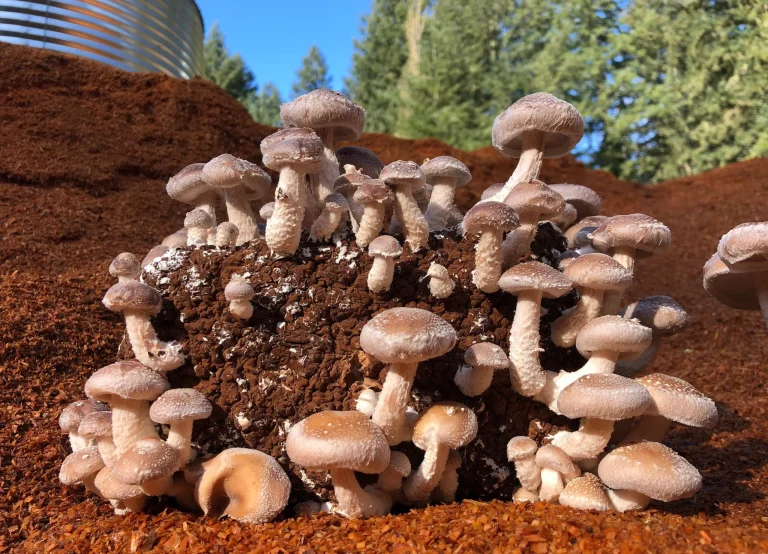
Lentinula edodes (Shiitake) – taste and health on a plate
Shiitake is not only a prized culinary mushroom but also a medicinal mushroom. It contains lentinan, a beta-glucan with anticancer and immune-boosting properties. Shiitake also helps lower cholesterol and supports the cardiovascular system.
It is an ideal mushroom for everyday cooking and can also be used as an ingredient in dietary supplements.
Grifola frondosa (Maitake) – a natural immune system regulator
Maitake contains powerful polysaccharides that stimulate the body's immune response. It is used in cancer therapy and to regulate blood sugar levels. It also supports metabolic health and helps reduce inflammation.
Inonotus obliquus (Chaga) – an antioxidant from the taiga
Chaga is a mushroom that grows in extreme climates and boasts exceptionally high antioxidant content. It supports body detoxification, strengthens immunity, and has anti-inflammatory properties. Chaga infusions are a popular natural remedy for supporting chronic health conditions.
Hericium erinaceus (Lion's Mane) – a brain mushroom
Hericium, also known as Lion's Mane, contains compounds that stimulate nerve growth and improve cognitive function. It has shown potential as a supportive therapy for neurodegenerative diseases, improving concentration, memory, and mood.
Clinical studies confirming the effectiveness of medicinal mushrooms
In recent decades, the amount of scientific research on medicinal mushrooms has increased dramatically. Increasingly, they are being tested in controlled clinical settings, allowing for the assessment of their safety and effectiveness.
Immunomodulation and support for anticancer therapy
Clinical studies have shown that supplementation with beta-glucans from Reishi, Shiitake or Maitake mushrooms may:
- Improve the immune response of cancer patients
- Reduce the side effects of chemotherapy and radiotherapy
- Support the regeneration of immune cells
Impact on chronic and metabolic diseases
Selected studies have assessed the effects of medicinal mushrooms on:
- Lowering blood sugar levels in people with type 2 diabetes (Maitake)
- Reduction of blood pressure and cholesterol (Reishi, Shiitake)
- Improving liver function and detoxification (Chaga)
Neuroprotection and improvement of cognitive functions
Research on Hericium has shown its potential to improve memory, concentration, and delay the symptoms of neurodegenerative diseases such as Alzheimer's disease.
Practical Applications: How to Introduce Medicinal Mushrooms into Your Daily Routine?
Incorporating medicinal mushrooms into your diet can be done in many ways, depending on your needs and preferences.
1. Supplementation in the form of capsules or powders
The most popular form is convenient for dosing. It's worth choosing standardized products that ensure the appropriate content of bioactive ingredients.
2. Infusions and teas made from dried mushrooms
A traditional method of drawing power from mushrooms. Preparing an infusion allows for better absorption of certain compounds and is a pleasant ritual that supports health.
3. Food addition
Mushrooms like shiitake and maitake are great for soups, sauces, and Asian dishes. It's worth experimenting with their flavor and health benefits.
4. Tinctures and extracts
Concentrates allow for the effective use of valuable substances and convenient dosing.
Frequently asked questions about medicinal mushrooms
Are medicinal mushrooms safe for everyone?
Usually yes, but people with autoimmune diseases, serious illnesses or pregnant women should consult a doctor about supplementation.
What are the possible side effects?
In rare cases, allergic reactions or stomach upset may occur. It's important to use high-quality products and follow recommended dosages.
Can medicinal mushrooms replace medications?
No – they should be a support for therapy, not a replacement. Always consult your doctor before changing your treatment.
Tips and best practices when using medicinal mushrooms
- Choose products from certified crops or wild harvests with confirmed quality
- Use supplements according to the manufacturer's recommendations and your doctor's instructions.
- Combine mushrooms with a balanced diet and a healthy lifestyle for maximum benefits
- Observe your body's reactions and discontinue use if disturbing symptoms occur.
Table: Comparison of key properties of popular medicinal mushrooms
| Species | Main bioactive compounds | Health-promoting effects | Typical form of application |
|---|---|---|---|
| Ganoderma lucidum (Reishi) | Beta-glucans, triterpenoids | Immunomodulation, anti-inflammatory, anti-cancer, stress reduction | Capsules, infusions, extracts |
| Lentinula edodes (Shiitake) | Lentinan (beta-glucan), polyphenols | Strengthens immunity, lowers cholesterol, antibacterial | Culinary supplements, food additives |
| Grifola frondosa (Maitake) | Polysaccharides, beta-glucans | Supports the immune system, regulates blood sugar levels | Supplements, infusions |
| Inonotus obliquus (Chaga) | Polyphenols, antioxidants | Antioxidation, detoxification, anti-inflammatory | Infusions, extracts |
| Hericium erinaceus (Lion's Mane) | Hericenones, erinacines | Neuroprotection, improvement of memory and concentration | Supplements, capsules, powder |
Summary: Medicinal mushrooms as a natural ally of health
Medicinal mushrooms are a unique gift from nature, whose rich bioactive compounds can support the body on many fronts—from the immune system, through the metabolic system, to the nervous system. Their centuries-old use in traditional medicine and a growing number of clinical studies confirm the enormous potential of these organisms. Incorporating them into your daily routine, whether in the form of supplements, infusions, or healthy dishes, can bring real benefits to your vitality and immunity.
If you want to consciously take care of your health, it's worth considering medicinal mushrooms as an effective and natural support. However, remember that the key is the quality of the products and the appropriate dosage. Seek professional advice and start discovering the power of medicinal mushrooms today!