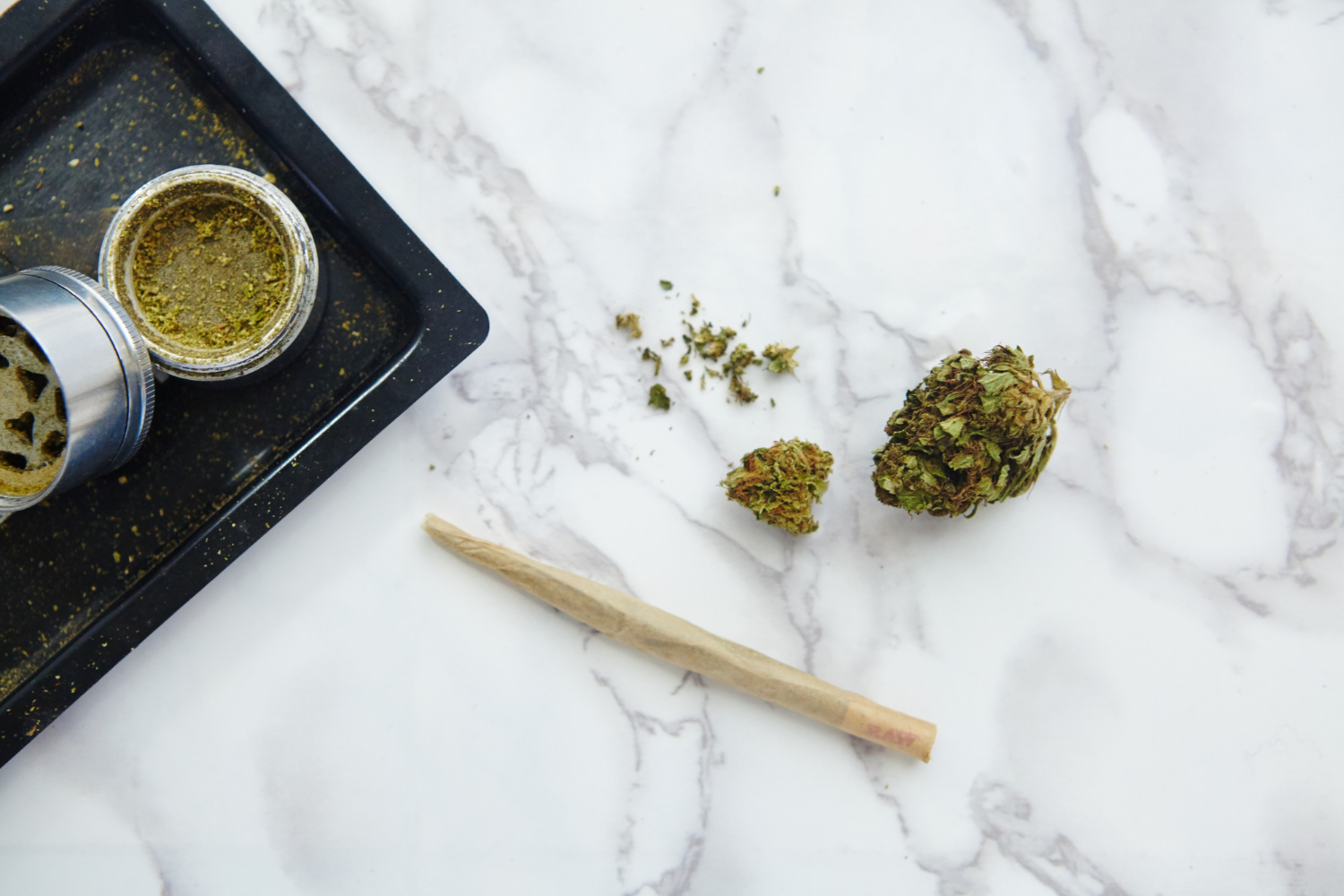

Herb Grinder – Everything You Need to Know! Which One to Choose?
Have you ever tried to crush herbs with your fingers or a knife, losing precision and some of the valuable material in the process? Or perhaps you're wondering how to make vaporizing, smoking, or blending not only easier but also more effective? The answer is a herb grinder—a small but incredibly important accessory for every herb lover.
In this article, we'll take you on a journey through the world of grinders – we'll explain what they are, how they work, the different types, and what to consider when choosing one. You'll also learn about the benefits of using them and how to best care for your device so it serves you for years to come. Ready for a solid dose of knowledge and practical advice? Read on!
Why is a herb grinder so important?
At first glance, a grinder may seem to be merely a tool for grinding herbs, but its role is much more advanced. The proper structure and quality of the grind significantly impact the effectiveness of vaporization, smoking, and the extraction of active substances.
Herbs ground too coarsely can cause uneven heating, leading to wasted material and a diminished flavor experience. Conversely, herbs ground too finely can burn or block airflow. A grinder allows for ideal, uniform particle size, which translates into better process control, enhanced aroma intensity, and herb savings.
Benefits of using a herb grinder
- Vaporization optimization: Even grinding allows for better evaporation of the active substances, resulting in a fuller and purer taste.
- Burning efficiency: the grinder makes rolling easier and ensures even burning of the herb, reducing material loss.
- Easier dosing: precise grinding makes it easier to measure portions and store.
- Convenience and time saving: Manual crushing is time-consuming and often imprecise.
- Aesthetics and hygiene: Using a grinder minimizes hand contact with the herb, which is especially important in the case of medicinal herbs.
Types of Herb Grinders – A Market Guide
Choosing a grinder shouldn't be left to chance, as there are many models available on the market, varying in material, design, and functionality. Let's take a look at the most popular types, along with their advantages and disadvantages.
Metal grinders – durability and precision
Aluminum and steel grinders are the most popular models among advanced users. They are damage-resistant, easy to clean, and ensure even grinding thanks to their sturdy blades.
Advantages:
- High durability even with intensive use.
- Precise, sharp teeth ensure even grinding.
- Usually equipped with several chambers, which allows for the separation of ground herbs from dust.
Defects:
- Higher price compared to acrylic grinders.
- May rust if not properly maintained.
- Heavier and less compact than plastic models.
Acrylic and plastic grinders – light and economical
These grinders are popular with beginners or those who value portability and affordability. Made of plastic, they are lightweight and easy to use, but less durable.
Advantages:
- Low price and good availability.
- Lightweight and compact.
- Perfect for occasional use.
Defects:
- Smaller blades and rapid material wear.
- Possibility of cracks and damage if dropped.
- Less precise grinding and no dust separation chambers.
Wooden and hemp grinders – natural design and aesthetics
For lovers of natural materials, grinders made of wood or hemp fiber are an attractive alternative. Slightly less common, they are valued for their unique appearance and environmental friendliness.
Advantages:
- Aesthetic, natural look.
- Ecological, environmentally friendly materials.
- Pleasant to the touch and light.
Defects:
- Less durability and precision than metal grinders.
- More difficult to clean and maintain.
- No additional features such as dust chambers or magnets.
How does a herb grinder work? Mechanisms and design
While grinders may vary in materials and shapes, their basic construction and operation remain similar. A standard grinder consists of two or more parts equipped with sharp teeth (gears) that, when rotated, grind the herb into finer pieces.
Most grinders are divided into several sections:
- Drying chamber: the place where we pour the material for grinding.
- Grinding chamber: the space where the teeth crush the herbs.
- Dust chamber (kief): the lower part collects fine, valuable powder that can be used separately.
By rotating the top of the grinder, the teeth engage the herb, and the abrasive motion causes it to be crushed. Metal grinders often use magnets to hold the parts together, ensuring ease of use and minimizing accidental separation.
What should you pay attention to when choosing a herb grinder?
The choice of a grinder should be conscious and tailored to your needs, so it is worth considering several key aspects before purchasing.
Size and capacity
Consider whether you need a grinder for everyday use, a large amount of herb at once, or a compact model for occasional use. Larger grinders are ideal for home use, while smaller ones are best for travel or going out.
Material of manufacture
By choosing a metal grinder, you're investing in durability and precision, but you'll pay more and gain a heavier accessory. Plastic models are cheaper and lighter, but less durable. Wooden or hemp grinders are the answer for those who value natural design and ecology.
Grinding system and additional functions
Some grinders feature special blades that allow for a more uniform grind. Additional chambers with screens allow for the collection of kief dust, a herb highly valued by users. Magnets holding the parts together further enhance ease of use.
Easy to clean
Herbs can leave behind oily residue that accumulates in the grinder over time. Choose models that are easy to disassemble and clean, which will maintain hygiene and extend the life of the grinder.
Practical tips: how to use a herb grinder?
Owning a grinder is one thing, but using it optimally is another. Here are a few tips to help you maximize the potential of your accessory:
1. Do not overfill the grinder
Too much herb makes it difficult to grind properly. It's best to fill the chamber to approximately 75% capacity, which will allow for free circulation and uniform grinding.
2. Rotate evenly and slowly
Use gentle, controlled movements when grinding. Turning too quickly can cause uneven cutting and damage to the teeth.
3. Clean and maintain regularly
Oils and resins can build up on the blades and chambers over time, making grinding difficult. Use special brushes or mild solvents (e.g., isopropyl alcohol) to clean the equipment, making sure it's completely dry.
4. Store in a dry place
To prevent corrosion (in the case of metal grinders) and keep your herbs fresh, always keep your grinder in a dry and clean case.
Comparison of popular herb grinders - table
| Grinder type | Material | Advantages | Defects | Perfect application |
|---|---|---|---|---|
| Metal grinders | Aluminum, stainless steel | Durability, precision, ability to collect kief | Higher price, heavier, require maintenance | Daily Users, Vaping, Smoking |
| Acrylic/plastic grinders | Plastic | Lightweight, low price, easy to use | Less durable, less precise grinding | Beginner, occasional use, portable |
| Wooden/hemp grinders | Wood, hemp fiber | Aesthetics, naturalness, ecological materials | Less precision, require gentle handling | Lovers of natural solutions, collectors |
Frequently asked questions (FAQ) about herb grinders
Is a herb grinder necessary?
Although you can theoretically grind your herb by hand, a grinder significantly simplifies and speeds up this process, while also improving the quality of grinding, which translates into better vaporization and smoking results.
How to care for your grinder so that it lasts a long time?
Regularly clean the grinder with a brush, removing any accumulated herb residue, and wiping down the components with isopropyl alcohol. Store it in a dry place, avoiding drops and excessive compression during transport.
Is every grinder suitable for vaporization?
Not everyone. It's recommended to choose grinders with precise teeth, which crush the herb to the appropriate size, enabling efficient vaporization of the active ingredients in the vaporizer. Models with a kief collection chamber are an additional advantage.
Does the grinder affect the taste of the herb?
Yes. Even grinding ensures better extraction of aromas and flavors when vaporizing or smoking. Incorrect grinding can result in poor flavor and the loss of valuable compounds.
Summary – how to choose the best herb grinder?
Choosing a herb grinder is a decision that can significantly improve the comfort and efficiency of using herbs. It's worth choosing a model tailored to your needs – whether it's a durable and precise metal one, a lightweight and affordable plastic one, or perhaps a natural wooden one for those eco-conscious enthusiasts.
Remember that grind quality, ease of use, and proper hygiene are paramount. Investing in a good grinder will result in a better flavor experience, less herb waste, and easier batch preparation.
If you want to maximize the use of your herb and improve the quality of your vaporization or smoking, a herb grinder is an accessory definitely worth having on hand. Let it become your ally in your daily rituals, providing you with satisfaction and comfort.
We encourage you to make informed choices and invest in grinders from trusted brands that guarantee durability and high quality. This will make your herb experience even better, and you'll feel the difference from the very first use.