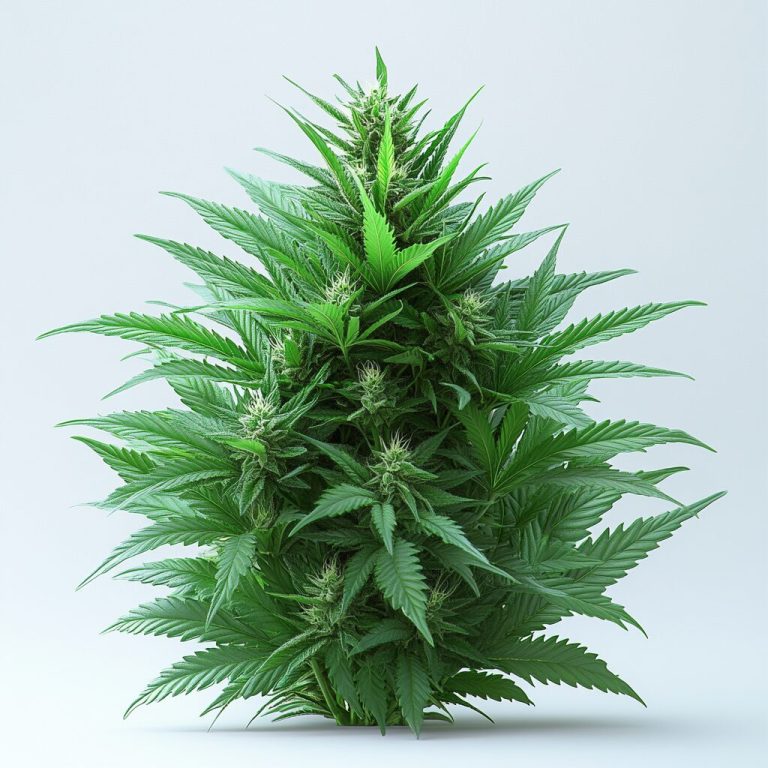

CBD vs. THC vs. CBG – Properties, Differences and Applications
Hemp are incredibly complex plants, containing over a hundred different cannabinoids, the three most famous of which are tetrahydrocannabinol (THC), cannabidiol (CBD) i cannabigerol (CBG). Although they originate from the same source, each of these compounds exhibits unique properties, has different effects on the body, and has distinct applications. In this article, we'll detail what these cannabinoids are, how they work, their biological and legal differences, and how they can support health and well-being. We'll also compare their potential benefits, side effects, and safe use to help you make an informed choice.
Introduction to Cannabinoids and the Cannabis Plant
Cannabis plants have been used by humans for thousands of years—for industrial, food, medicinal, and recreational purposes. They contain numerous active substances, including terpenes, flavonoids, and cannabinoids. Cannabinoids interact with the endocannabinoid system, which plays a regulatory role in the human body. The most popular phytocannabinoids are THC, CBD, and CBG. Although chemically related and having a similar molecular structure, they exhibit different physiological effects because they bind to receptors at different locations and with varying strengths. To understand their effects, it's worth first reviewing how the endocannabinoid system functions.
The Endocannabinoid System – Basics and Importance
The endocannabinoid system (ECS) is a complex of receptors, endogenous chemicals (endocannabinoids), and enzymes that regulates numerous physiological processes: appetite, sleep, mood, immunity, energy management, pain perception, and memory. The main ECS receptors are CB1 and CB2. CB1 receptors are located primarily in the central nervous system (CNS), i.e., the brain and spinal cord, as well as in internal organs, muscles, and adipose tissue. CB2 receptors are found primarily in immune cells, peripheral tissues, and the digestive tract. Endocannabinoids (such as anandamide and 2-AG) are produced by the body to activate these receptors, maintaining balance (homeostasis). Cannabis-derived phytocannabinoids can modulate ECS function—some bind directly to receptors, while others regulate endocannabinoid levels or enzyme activity.
The history of the discovery and development of cannabinoid research
Interest in cannabinoids has been growing for decades. The first isolation of cannabis compounds occurred in the 1940s, when chemists identified the structures of CBD and CBN. It wasn't until 1964 that Israeli scientists Raphael Mechoulam and Yechiel Gaoni described the structure and synthesis of THC, ushering in a new era of cannabis research. In the 1980s, CB1 receptors were discovered, and in 1993, CB2 receptors were described, which made scientists aware of the existence of an internal endocannabinoid system. In 1992, the first endocannabinoid, anandamide, was identified, followed a year later by 2-AG (2-arachidonoylglycerol). The discovery that the body itself produces cannabinoid molecules opened up a completely new field of physiology.
For many years, cannabinoids were demonized due to the psychoactive properties of marijuana. Only with increasing research and clinical experience have their therapeutic potential begun to be appreciated. In 1996, California became the first US state to legalize medical marijuana, followed in subsequent years by dozens of other states and several countries. In 2018, the United States passed the Farm Bill, which allowed the legal cultivation of industrial hemp with low THC content (below 0.31 TP3T) and led to a rapid growth of the CBD market. In Europe, this limit is typically 0.21 TP3T of THC, although some countries are raising it to 0.31 TP3T or 11 TP3T. Numerous clinical trials are currently underway worldwide on the use of THC, CBD, and CBG in medicine, and their effects could change the landscape of pharmacotherapy in the coming decades.
The growing interest in phytocannabinoids has also led to the discovery of new compounds, such as THCv, CBC, CBN, and delta-8-THC, as well as research into synthetic cannabinoids. Scientists are trying to understand how modifications to these molecules affect their biological activity. For example, delta-8-THC is an isomer of THC with slightly weaker psychoactive effects, while THCv exhibits appetite suppression, making it a potential candidate for obesity treatment. This growing diversity of cannabinoids allows for better tailoring therapies to patient needs, while also posing challenges in terms of regulatory and product standardization.
CBD – definition, action and uses
Cannabidiol (CBD) It is the second most common cannabinoid in the cannabis plant. Unlike THC, it has no psychoactive effects, meaning it doesn't cause feelings of intoxication or euphoria. CBD isolated from industrial hemp contains minimal amounts of THC, which is why CBD products are considered legal and safe in many countries. CBD acts primarily as a modulator of the endocannabinoid system – it weakly binds to CB1 and CB2 receptors but influences enzymes and other receptors (e.g., serotonin 5-HT1A), which translates into a wide spectrum of potential benefits.
CBD mechanism of action and effects
CBD affects numerous signaling pathways in the body. As a negative modulator of CB1 receptors, it hinders THC's ability to bind to the receptors, which may reduce its psychoactive effects. It also inhibits the FAAH enzyme, responsible for the breakdown of anandamide, which may increase levels of this endocannabinoid and prolong its effects. CBD has anti-inflammatory and antioxidant properties and can alleviate pain and anxiety, support post-exercise recovery, and have neuroprotective properties. Clinical studies have confirmed its effectiveness in reducing seizures in patients with severe forms of epilepsy, such as Dravet syndrome and Lennox-Gastaut syndrome. A growing body of research indicates CBD's potential use in treating anxiety, depression, neurodegenerative diseases, inflammatory bowel disease, skin problems, autoimmune conditions, and as a supportive therapy for addiction.
CBD Safety and Side Effects
CBD is generally well-tolerated. Due to its lack of intoxicating effects, it can be taken during the day without impairing cognitive or motor functions. The most common mild side effects include drowsiness, dry mouth, changes in appetite, and nausea, but these usually occur at high doses. CBD may interact with certain medications (e.g., anticonvulsants, anticoagulants) by inhibiting cytochromes P450, so individuals on chronic medication should consult a doctor before supplementing. It's also important to purchase products from trusted manufacturers who subject their products to laboratory testing and guarantee legal THC content (below 0.21 TP3T in Poland).
Most Common Uses of CBD
CBD is used in many areas. It has gained significant popularity in the form of oils and capsules as a dietary supplement. Users take CBD to relieve anxiety, facilitate sleep, reduce inflammation and pain, support muscle recovery after exercise, improve concentration, and overall emotional balance. In medicine, CBD is used, among other things, to treat drug-resistant epilepsy and is also being tested in the context of neurodegenerative diseases (Parkinson's, Alzheimer's), multiple sclerosis, addiction, skin conditions (psoriasis, eczema), intestinal diseases (Crohn's disease), as well as to alleviate the symptoms of chemotherapy and support glycemic control.
THC – definition, effects and uses
Tetrahydrocannabinol (THC) It's the most well-known phytocannabinoid, responsible for the psychoactive effects of marijuana. Unlike CBD, THC binds directly to CB1 receptors (and to a lesser extent, CB2), causing euphoria, altered perception, increased appetite, and impaired reaction time and coordination. In low doses, THC can have a relaxing effect, improve mood, and relieve pain and muscle tension, but in higher doses, it can cause anxiety, increased heart rate, short-term memory impairment, dizziness, and even psychotic symptoms in predisposed individuals. For this reason, THC is strictly regulated.
Mechanism of action and effects of THC
THC acts as an agonist at CB1 receptors, which are primarily found in the brain and are responsible for feelings of euphoria and altered consciousness. CB1 activation stimulates the release of dopamine in reward systems, which induces feelings of pleasure. THC also affects memory and time perception, alters heart rate, and can increase anxiety. At lower doses, it has relaxing and sleep-inducing effects, improves appetite, relieves pain, and reduces muscle tension. Medical uses of THC include treating spasticity in multiple sclerosis, alleviating neuropathic pain, stimulating appetite in patients with HIV/AIDS or undergoing chemotherapy, and preventing nausea and vomiting induced by cytotoxic therapy. THC also lowers intraocular pressure, which is why it is used in glaucoma treatment, although newer, longer-acting medications are replacing phytocannabinoids in this area.
Side effects and caution when using THC
In addition to its therapeutic effects, THC carries a risk of side effects. Short-term memory impairment, poor concentration, decreased motor coordination, dry mouth, red eyes, rapid heartbeat, dizziness, and, at higher doses, anxiety, paranoia, or temporary psychotic states may occur. People with a predisposition to mental illness should avoid high THC concentrations. Regular use in large quantities can lead to psychological dependence, decreased motivation, and memory problems. It's important to start with small doses, monitor the body's reactions, and combine THC with CBD, which mitigates its psychoactive effects. In Poland, THC remains illegal for recreational use, but a medical marijuana program has been in operation for several years, where patients receive THC preparations under the supervision of a physician and with a prescription.
Medical uses of THC
THC is highly effective in combating chronic pain, particularly neuropathic pain, which is difficult to treat with standard medications. Preparations containing THC are sometimes used to treat muscle spasticity in multiple sclerosis, relieve cancer pain, and stimulate appetite in patients with cachexia. In some countries, medications based on a combination of THC and CBD (e.g., oral spray) are registered for the treatment of spasticity in people with MS. The potential role of THC in the treatment of Tourette syndrome, PTSD, glaucoma, and in alleviating the symptoms of neurodegenerative diseases is also being increasingly studied. However, due to its psychoactivity, THC use should be closely monitored by a physician.
CBG – definition, action and uses
Cannabigerol (CBG) It's called the "mother of all cannabinoids" because it's the chemical precursor from which THC, CBD, and other cannabinoids are derived. It's present in higher amounts in young cannabis plants, but during maturation, most of the CBG is converted into other compounds. Therefore, its concentration is low in mature plants, making CBG-rich products even more unique.
Mechanism of action and potential effects of CBG
CBG is a partial agonist at CB1 and CB2 receptors, but its affinity is lower than THC, so it doesn't produce an intoxicating effect. It is believed to have anti-inflammatory, analgesic, antibacterial, and neuroprotective effects. Preclinical studies suggest that CBG may support the treatment of inflammatory bowel diseases such as Crohn's disease, alleviate neuropathic pain, and reduce inflammation in the nervous system. CBG also affects alpha2-adrenergic and 5-HT1A serotonin receptors, which explains its potential impact on regulating blood pressure, vascular tone, and mood. In animals, CBG has demonstrated a lowering effect on intraocular pressure, suggesting its potential use in the treatment of glaucoma. Scientists are also investigating its effects on neurodegenerative processes in Huntington's disease, Parkinson's disease, and multiple sclerosis.
Benefits, Uses, and Safety of CBG
Although research on CBG is in its early stages, initial results are promising. CBG may support gut health, improve digestive comfort, alleviate symptoms of nonspecific inflammation, exhibit antibacterial activity (inhibiting the growth of antibiotic-resistant bacteria), and may have anti-anxiety properties. Because CBG directly affects CB1 and CB2 receptors, it may support nervous system balance without causing psychoactive effects. Possible side effects are mild and include drowsiness, changes in appetite, and a drop in blood pressure, so people with hypotension should exercise caution. As with CBD, high-quality CBG products must meet THC standards (less than 0.21 TP3T in Poland). Users should start with smaller doses and observe their body's response.
CBG Synergy with Other Cannabinoids
CBG is often found in "full-spectrum" products, which contain a natural blend of cannabinoids, terpenes, and flavonoids. The concept of the "entourage effect" suggests that combining different plant compounds can yield better results than isolating individual components. Although CBG has analgesic and neuroprotective effects on its own, it can support the effects of CBD, CBN, or THC, stabilizing their profile and potentially reducing side effects. This synergy means that using products containing a blend of cannabinoids and terpenes can provide more balanced pain relief, improved concentration, and immune support than using CBD or THC isolate alone.
Comparison of properties and effects: CBD vs. THC vs. CBG
To better understand the differences between individual cannabinoids, it's worth compiling their key characteristics in one place. The following points outline the key similarities and differences between CBD, THC, and CBG.
Chemical Characteristics and Psychoactivity
- THC: is a psychoactive compound that produces a feeling of euphoria ("high") by binding strongly to CB1 receptors in the brain; its chemical structure causes an alteration of perception and mood.
- CBD: chemically similar to THC, but does not cause intoxication; it binds weakly to CB1 and CB2 receptors, so it does not cause changes in consciousness.
- CBG: it is a precursor of THC and CBD, has partial activity towards CB1 and CB2, but is not psychoactive; its chemical structure means that it is present in larger quantities in young plants than in mature ones.
Interaction with the endocannabinoid system
- THC It directly activates CB1 and CB2 receptors, which causes euphoria, muscle relaxation, but also side effects such as anxiety or dry mouth.
- CBD It acts indirectly – it inhibits the degradation of endocannabinoids and modulates receptors, acting as an antagonist and modulator of CB1 receptors; it also has an effect on serotonin, adenosine and vanilloid receptors.
- CBG It has partial activity towards CB1 and CB2; it also affects adrenergic and serotonin receptors, which allows it to lower blood pressure and improve mood.
Physiological effects and applications
- THC: has a strong analgesic effect, stimulates appetite, helps in the treatment of muscle spasticity and relieves nausea; in high doses it may cause anxiety and memory disorders.
- CBD: has anti-inflammatory, anxiolytic, antiepileptic, neuroprotective and antioxidant effects; used in the treatment of epilepsy, anxiety, depression, chronic pain, inflammation, insomnia and skin problems.
- CBG: has potential anti-inflammatory, antibacterial and neuroprotective properties; may support the treatment of inflammatory bowel disease, glaucoma, neurodegenerative conditions and support gut health.
Legal status
- THC: in Poland and in most European Union countries, recreational use of THC is illegal; it is only permitted in certain countries or US states; in Poland, access to THC products is only possible as part of medical therapy on the basis of a prescription; the THC content in industrial hemp is limited by law to 0.21 TP3T (in some countries to 0.31 TP3T).
- CBD: legal in Poland and many European countries, as long as the product is derived from hemp and the THC content does not exceed the permitted limit; the sale and possession of CBD products is permitted provided they are not advertised as medicines.
- CBG: like CBD, it is legal if it is obtained from industrial hemp and the THC content in the products does not exceed the permissible limit; in Poland the limit is 0.2% THC.
Side effects and safety
- THC: may cause dry mouth, red eyes, dizziness, anxiety, paranoia, memory impairment, heart palpitations and in extreme cases psychosis; the risk increases with the dose and the predisposition of the user.
- CBD: usually well tolerated; possible mild side effects include drowsiness, decreased appetite, changes in liver enzyme levels and drug interactions; does not cause addiction or intoxication.
- CBG: possible side effects include drowsiness, a drop in blood pressure, or dry mouth; no psychoactive effects; due to the small number of studies, CBG should be used with caution and started with low doses.
Mechanism of action and interactions with the endocannabinoid system
Although all the cannabinoids discussed here interact with the endocannabinoid system, each does so differently, which explains the differences in their physiological effects. THC activates CB1 and CB2 receptors, mimicking the effects of endocannabinoids and producing strong psychoactive effects. CBD acts as a modulator – it affects the receptors but primarily inhibits the enzymes and transporters responsible for the breakdown of endocannabinoids, increasing their levels in synapses. CBG, on the other hand, binds to the receptors partially, altering their response to other ligands and influencing other receptor systems (serotonin, adrenergic). In practice, this means that using different cannabinoids simultaneously can achieve enhanced therapeutic effects through synergy. Combining THC with CBD can reduce the THC dose and thus limit its side effects; CBD combined with CBG can enhance anti-inflammatory and neuroprotective effects.
Safety, contraindications and recommendations
Cannabinoids are generally considered well-tolerated by most people, but there are a few safety guidelines to keep in mind. People taking prescription medications (especially anticonvulsants, anticoagulants, and immunosuppressants) should consult a doctor before using CBD or CBG, as these cannabinoids can affect drug metabolism. People with mental health conditions, heart disease, or a predisposition to anxiety disorders should exercise extra caution when using THC. Pregnant and breastfeeding women should avoid all forms of THC, and CBD and CBG should be discussed with a doctor. It's important to start with small doses and gradually increase them, observing your body's response. Hemp products should be sourced from certified crops, have laboratory-confirmed cannabinoid content, and be free of chemical contaminants.
Endocannabinoid System Support and Lifestyle
The endocannabinoid system doesn't operate in isolation—its effectiveness depends on many factors: diet, lifestyle, stress, and physical activity. While phytocannabinoids can support ECS regulation, it's important to consider natural methods that help maintain the body's balance. Healthy diet Rich in unsaturated omega-3 and omega-6 fatty acids, such as vegetable oils (flaxseed, hemp, rapeseed), nuts, seeds, and marine fish, it provides the building blocks for endocannabinoid synthesis. Complex carbohydrates, fiber, and whole grains stabilize glucose and insulin levels, which indirectly impacts ECS function. Dark chocolate It contains compounds similar to anandamide and FAAH inhibitors, so a moderate amount may support endocannabinoid balance.
Natural ECS modulators also include a number of herbal spices and plants. Beta-caryophyllene, a terpene found in black pepper, cloves, cinnamon, and oregano, has an affinity for the CB2 receptor, which may support anti-inflammatory effects. Linalool and myrcene, present in lavender and hops, have a calming effect and may enhance the anti-anxiety effects of CBD. Turmeric contains curcumin, which has an affinity for CB1 receptors and may modulate inflammatory responses. Adaptogenic herbs such as ginseng and ashwagandha support stress resistance and help restore hormonal balance, which indirectly affects the ECS.
Physical activity is another key element of a healthy ECS. Regular aerobic exercise and strength training increase endocannabinoid production, which may explain the phenomenon of the "runner's high." Moderate activity helps reduce stress, improves sleep quality, and strengthens the immune system. Equally important is rest – Nighttime regeneration plays a key role in maintaining proper nervous system function. Sleep deprivation can lower endocannabinoid levels and increase sensitivity to stress.
Relaxation practices, such as meditation, yoga, tai chi, and breathing techniques, help reduce mental and physical tension, which has a positive effect on the ECS. Chronic stress can deplete endocannabinoids and disrupt receptor function, which is why regular relaxation is so important. Don't forget about social aspects Health – close relationships, emotional support, and a sense of belonging support the release of happiness hormones (oxytocin, serotonin), which helps maintain homeostasis. Finally, a balanced work-life balance and conscious use of nature (walks, contact with greenery) promote the regeneration of the nervous and endocannabinoid systems.
While the above elements seem like general recommendations for a healthy lifestyle, their connection to the ECS is increasingly well-documented. Combining CBD or CBG supplementation with a well-balanced diet, physical activity, and stress-reducing practices can naturally strengthen the endocannabinoid system without overreliance on external means. This comprehensive approach promotes long-term health and balance.
Dosage and interactions with other substances
Proper dosing of cannabinoids is one of the most important aspects of their safe and effective use. Every body reacts differently to CBD, THC, or CBG, so the "start low, go slow" principle is recommended—start with the lowest possible dose and gradually increase it while monitoring your response. Initial doses For CBD, these can be 5–10 mg daily, and then increased by 5 mg every few days. Similar starting values are recommended for CBG, although CBG products are often stronger, so it's worth paying attention to the concentration in mg per milliliter. Due to its psychoactive effects, THC requires special caution – doses of 1–2.5 mg can be therapeutic without causing intoxication, but higher doses (5–10 mg or more) increase the risk of side effects.
The effect of cannabinoids on drug metabolism is another important consideration. CBD and CBG inhibit certain cytochrome P450 isoenzymes (including CYP3A4 and CYP2C19), which can lead to increased drug concentrations in the body. This may apply to antiepileptic, antidepressant, anticoagulant, and immunosuppressant medications. THC, although it has a lesser effect on liver enzymes, may potentiate the effects of sedative and anti-anxiety medications, increasing the risk of sedation. For this reason, individuals taking any medications regularly should consult a doctor before using cannabinoid supplements.
It is also important to pay attention to interactions with other supplements and herbs. Adaptogens like ashwagandha, rose hip, and reishi may enhance the calming effects of CBD, which is beneficial for anxiety but can also cause excessive sleepiness. Nootropics (e.g., L-theanine, bacopa monnieri) may synergize with CBG to improve concentration and cognitive function. Pro-inflammatory supplements (e.g., high doses of omega-6 fatty acids without a proper omega-3 balance) may reduce the anti-inflammatory effects of cannabinoids. Alcohol and recreational drugs, especially those affecting the nervous system, can exacerbate the side effects of THC and increase the risk of unpredictable reactions.
A separate topic is combining cannabinoids together. The combination of THC and CBD is sometimes used to treat neuropathic pain and spasticity, as CBD mitigates the psychoactive effects of THC while simultaneously enhancing its analgesic effect. However, large doses of CBD can reduce the effects of THC, so the ratios in products (e.g., 1:1, 1:10, 10:1) should be tailored to the specific application. CBG, on the other hand, can synergize with CBD, particularly in reducing inflammation and improving gut function. Full-spectrum products containing all natural cannabinoids and terpenes are often better tolerated than isolates, but those sensitive to THC should choose broad-spectrum or isolates.
Finally, it is worth mentioning the differences in methods of admission. Sublingual oils and capsules have a slow onset but longer duration of action, which helps maintain stable cannabinoid levels. Inhalation (vaporization) provides a quick effect but a shorter duration of action, so it can be useful for sudden pain or anxiety attacks. Hemp edibles (gums, bars) have the longest onset of action (up to 2 hours) but ensure stable levels in the body. The choice of method is individual and should take into account the desired duration of action, speed of effect, and ease of use.
Evolution of research and new directions in cannabinoid therapy
The dynamic development of cannabis research means that we can expect many breakthroughs in medicine and pharmacology in the coming years. Currently, scientists are focusing not only on THC and CBD, but also on so-called minor cannabinoids, such as THCv, CBC, CBN, delta-8-THC, and delta-10-THC. THCv exhibits appetite-suppressing properties and may support weight management. CBC has anti-inflammatory and anti-hyperestrogenic properties, which opens up opportunities for treating hormonal disorders. CBN, formed by the oxidation of THC, exhibits a sedative effect, which is why it is used in sleep aids. Delta-8-THC and delta-10-THC are isomers of THC with weaker psychoactive effects, but with potential use in the treatment of pain and nausea.
At the same time, numerous studies are being conducted on synthetic cannabinoids and molecules modulating the endocannabinoid system, which may have a more selective profile of action and fewer side effects. Examples include nabilone and dronabinol – synthetic THC analogues used in medicine to relieve nausea and pain, or rimonabant – a CB1 receptor antagonist that was tested as an obesity treatment (but was withdrawn due to adverse effects). In the future, we can expect the emergence of new drugs that selectively target individual CB1 and CB2 receptors or ECS enzymes, allowing for better control of therapeutic effects.
Another interesting research direction is personalization of therapy. Thanks to advances in genetics and pharmacogenomics, it is possible to increasingly precisely tailor the type and dose of cannabinoids to individual patient characteristics, such as genetic profile, endocannabinoid concentration, or the activity of cannabinoid-degrading enzymes. Pilot studies suggest that individuals with specific CB1 receptor gene variants may respond more strongly to THC, which may increase the risk of adverse effects. An individualized approach can reduce side effects and increase the effectiveness of therapy.
The growing role of the education of society about cannabis. Knowing the differences between THC, CBD, CBG, and other cannabinoids and understanding the safe use of cannabis products helps reduce stigma and misinformation. Health organizations and research institutions should work together to provide reliable knowledge, support the development of new medicines, and create sound regulations that protect consumers while enabling access to treatments.
Doping issues and doping control
With the growing popularity of cannabinoids in sports, questions arise about their status in the context of anti-doping regulations. World Anti-Doping Agency (WADA) includes THC on the list of prohibited substances in competition. This means that the presence of THC above a certain threshold (150 ng/ml in urine) is considered a violation of the rules. CBD, on the other hand, was removed from the WADA list in 2018, meaning athletes can use preparations containing pure CBD. However, caution is advised: many CBD products may contain trace amounts of THC, which can accumulate in the body and lead to a positive test result. Therefore, athletes should choose products with zero THC content whose manufacturer provides independent laboratory test results.
Factors that increase the risk positive test for THC These include high frequency of use, higher doses, and individual metabolic rates. THC and its metabolites can persist in the body for many days, and even longer in individuals with higher body weight or lower physical activity. During doping control, the concentration of the metabolite THC-COOH in urine is measured. If an athlete takes a CBD supplement containing a small amount of THC, the metabolite levels may exceed the allowable threshold. To minimize the risk, athletes can take breaks from cannabis supplements before competition and monitor their THC levels through independent testing.
It is also important for athletes using CBD or CBG to understand that entourage effect In full-spectrum products, it can support pain relief and recovery, but the presence of THC in such products increases the risk of anti-doping violations. In some sports, even low concentrations of THC in urine can lead to disqualification, so athletes should choose broad-spectrum products or isolates. It's also worth considering consulting a sports physician or sports dietitian before starting supplementation.
Apart from the doping aspect, the following are important: safety issues. Although CBD and CBG are considered safe, their use should be conscious and considered. During intense physical activity, the body is subjected to significant stress, so combining multiple supplements (cannabinoids, adaptogens, protein supplements) requires careful planning. Athletes should ensure adequate hydration, electrolyte balance, and a balanced diet to ensure the body can effectively utilize its regenerative mechanisms. Cannabinoids can support regeneration and reduce oxidative stress, but they do not replace the foundations of a healthy lifestyle and training.
Cannabinoid Legality: Laws and Regulations
Poland and many European countries have clear regulations regarding the cultivation, production, and sale of hemp products. Hemp (Cannabis sativa L.) with a THC content below 0.21 TP3T is legal and can be used to produce oils, dried herbs, extracts, and cosmetics containing CBD or CBG. These products must be certified for compliance and cannot be advertised as medicines. In 2022, the THC content limit for hemp in Poland was raised to 0.31 TP3T in line with EU regulations, but in many places the 0.21 TP3T limit still applies. Users should remember that THC above the permissible concentration is considered a psychoactive substance and its possession without a prescription is illegal. Medical marijuana has been legal in Poland since 2017 – patients can obtain a prescription for THC and CBD preparations to treat pain, spasticity, nausea, or appetite disorders. In other countries, regulations vary – in some (e.g., Canada and some US states), marijuana is legal for recreational use, while in others it remains prohibited. CBD and CBG, on the other hand, are widely available in most European countries, as long as the THC content does not exceed established limits.
Medical and Therapeutic Applications: A Review of Research and Potential
In recent years, the number of clinical and preclinical studies on the therapeutic potential of cannabinoids has increased significantly. THC has long been used in medicine as an analgesic, antiemetic, and appetite stimulant. It is used in tablet, capsule, and spray form for patients with chronic pain, muscle spasticity, and to alleviate nausea following chemotherapy. CBD, on the other hand, thanks to its safety profile, has a wide range of applications: from treating drug-resistant epilepsy, to alleviating anxiety and depression, to combating chronic inflammation and neuropathic pain. Studies also suggest potential use of CBD in the treatment of metabolic and neurodegenerative diseases, and as a supportive therapy for addiction.
CBG is gaining increasing interest in scientific research. Current findings indicate that it may support gut health, reduce inflammation, have antibacterial properties, and improve neurological function. Animal studies have shown that CBG can lower intraocular pressure (which is important in glaucoma), protect neurons from damage in Huntington's disease, and alleviate symptoms of inflammatory bowel disease. Its potential neuroprotective and anti-inflammatory effects make CBG a promising candidate for the treatment of neurodegenerative and inflammatory diseases.
How to Choose the Right Cannabinoid and Product: Practical Tips
Choosing the right hemp product depends on your individual needs, health, and goals. Here are some factors to consider:
- Purpose of use: If your goal is relaxation, anxiety reduction, or improved sleep quality, consider CBD oil or CBN products. If you need focus and mental clarity, CBG may be beneficial. If you experience severe pain or nausea, it's best to explore products containing a combination of THC and CBD under a doctor's supervision.
- Experience and toleranceBeginners should start with CBD or low-THC products (e.g., 1:10 THC:CBD). Advanced users with experience in cannabis may consider products with higher THC content, but always in safe, controlled doses.
- Method of consumptionCannabinoids are available in various forms – sublingual oils, capsules, vape powder, gummies, oral sprays, creams, and ointments. Oils and capsules have a longer duration of action but a slower onset. Vaporization and inhalation provide a faster effect but are shorter-lasting. External applications (ointments) act locally and are useful for skin ailments or muscle pain.
- Cannabinoid ratios: "Full-spectrum" products contain the full spectrum of cannabinoids, terpenes, and other phytochemicals, which can enhance the therapeutic effect through synergy. "Broad-spectrum" products remove THC while retaining other cannabinoids, while isolates contain a single component (e.g., pure CBD). The choice depends on preference—some prefer to avoid THC entirely, while others want the full effects of the entourage.
- Quality and certificates: Make sure the product comes from a trusted company that conducts laboratory tests to confirm cannabinoid content and the absence of contaminants (heavy metals, pesticides). Check whether the manufacturer provides certificates of analysis (COA) and adheres to legal standards regarding THC content.
- Medical consultationBefore incorporating cannabinoids into your routine, especially if you are taking medications or have a chronic condition, consult your doctor. A specialist will help you choose the appropriate dosage and form, and monitor any potential side effects.
The most important information at a glance
The list below summarizes the key takeaways from our CBD, THC, and CBG comparison, providing a quick guide to the key differences and uses:
- THC It is psychoactive, causes euphoria and alters perception; it is used medically to treat pain, spasticity, nausea and loss of appetite; its use requires medical supervision.
- CBD It is non-intoxicating, has anti-inflammatory, anxiolytic, anti-epileptic and neuroprotective properties; it is widely used in health supplementation and medicine.
- CBG It is a precursor to other cannabinoids, has a mild effect, can support gut, brain and immune system health, is non-intoxicating and shows promise in the treatment of inflammatory and neurodegenerative diseases.
- CBD and CBG are legal in most countries if they are derived from industrial hemp and contain less than 0.2–0.31 TP3T THC. THC is only legal for medical use in Poland; laws in other countries may vary.
- Cannabinoids work synergistically – combining them can achieve better results than using a single compound; CBD and CBG can mitigate the psychoactive effects of THC.
- When choosing a product, you should determine the purpose, take into account tolerance, form of application, quality and consult your doctor.
Summary and conclusions
Cannabinoids derived from hemp are an incredibly fascinating group of compounds that are gaining increasing importance in medicine, pharmacology, and health supplementation. Despite their common origins, THC, CBD i CBG They differ significantly in their effects: THC is psychoactive and effective in treating pain and spasticity, CBD is a versatile, non-intoxicating compound with a wide range of therapeutic benefits, and CBG represents a promising new avenue of research thanks to its neuroprotective and anti-inflammatory properties. Combining them in the right proportions can produce exceptional results thanks to synergistic effects.
When choosing cannabis products, you should consider your own needs and health first and foremost. Those seeking relief from anxiety, improved sleep, or reduced inflammation can reach for CBD or CBG, while patients with severe pain and spasticity can use THC products under medical supervision. In every situation, it's important to use products from legal and certified sources, consult a doctor, and carefully monitor your well-being. Knowledge of how cannabinoids work and the differences between them allows you to make informed choices and take advantage of the potential that cannabis offers.
Frequently Asked Questions (FAQ)
What is CBD and how does it work?
CBD, or cannabidiol, is a non-psychoactive cannabinoid found in cannabis. It modulates the endocannabinoid system by inhibiting the breakdown of natural endocannabinoids and interacting with various receptors, resulting in anti-inflammatory, anti-anxiety, and neuroprotective properties. It doesn't cause intoxication, making it safe for everyday use.
What is the difference between THC and CBD?
THC is psychoactive and produces a feeling of euphoria by binding directly to CB1 receptors. CBD has no intoxicating effects and acts primarily as a modulator of the endocannabinoid system. THC is strictly regulated, and CBD is legal if the THC content in the product does not exceed 0.2–0.31 TP3T.
What is CBG and what are its uses?
CBG, or cannabigerol, is a precursor to other cannabinoids. It has no psychoactive effects and may support gut health, reduce inflammation, and have neuroprotective properties. Although there is less research than on CBD, CBG is considered a promising compound in the treatment of gut diseases, neurodegenerative diseases, and glaucoma.
Can CBD mitigate the effects of THC?
Yes, CBD, as a negative modulator of CB1 receptors, can reduce the binding of THC to these receptors and influence the level of endocannabinoids, thereby mitigating the psychoactive effects of THC and reducing the risk of anxiety or restlessness.
What are the main medical uses of THC?
THC is used medicinally to relieve neuropathic pain and muscle spasticity, stimulate appetite in patients with debilitating illness, and alleviate nausea and vomiting associated with chemotherapy. THC preparations require a prescription and medical supervision.
Are CBD and CBG legal in Poland?
Products containing CBD and CBG are legal as long as they are derived from industrial hemp and contain less than 0.2–0.31 TP3T THC. They must be sold as dietary supplements or cosmetics, and their manufacturers must provide certificates confirming their composition.
What are the possible side effects of using CBD?
CBD is generally well-tolerated, but it may cause drowsiness, changes in appetite, nausea, or interactions with medications metabolized by the liver. Therefore, it's best to start with small doses and consult a doctor, especially if you're taking other medications regularly.
Can THC cause addiction?
THC can lead to psychological dependence, especially when used regularly in high doses. This manifests itself through a need to constantly increase the dose, decreased motivation, and difficulty stopping use. Combining THC with CBD may reduce the risk of addiction, but individuals with a history of addiction should exercise extreme caution.
What forms of cannabinoid products are available?
Cannabinoids come in many forms: sublingual oils, capsules, vape herbs, gummies, chocolates, infusions, creams, ointments, and sprays. The choice of form depends on preference, speed of action, and intended use.
What is the entourage effect?
The entourage effect is a phenomenon in which various plant compounds (cannabinoids, terpenes, flavonoids) interact, enhancing each other's effects. For example, combining THC with CBD can increase pain relief while reducing psychoactive effects.
Is CBG safe to use?
CBG is considered a safe cannabinoid with a mild side effect profile. It may cause drowsiness or a drop in blood pressure, so people with low blood pressure should start with small doses. Due to limited research, it's always best to consult a doctor before using CBG.
What are the potential interactions of cannabinoids with drugs?
CBD and CBG may affect drug metabolism by inhibiting liver enzymes, which can lead to increased drug concentrations in the body. Individuals taking antiepileptic, anticoagulant, immunosuppressive, or antiarrhythmic medications should consult a doctor before supplementing with cannabinoids.
Can you drive after using CBD products?
CBD doesn't produce an intoxicating effect and doesn't typically impair psychomotor skills. However, it can cause drowsiness in some people, so it's important to assess your well-being before driving after taking a high dose of CBD. Products containing THC definitely preclude driving.
How long do the effects of cannabinoids last?
The duration of action depends on the method of application, dose, and body metabolism. Oils and capsules begin to work within 30–60 minutes and last up to 6–8 hours. Vaporization and inhalation provide a faster onset (a few minutes), but the effect wears off after 2–3 hours. Ointments and creams work locally for several hours.
Why is the THC content in CBD and CBG products limited?
Legal regulations introduce limits on THC content to prevent the intoxicating effects and abuse of cannabis. In Poland and most EU countries, the limit is 0.2–0.31 TP3T. This allows CBD and CBG products to be legally available and safe for users.
Can CBD, CBG, and THC improve sleep quality?
CBD may promote sleep onset and improve sleep quality by reducing anxiety and relieving pain. Although research is limited, CBG may promote relaxation and improve sleep patterns. THC has a sleep-inducing effect, but higher doses can cause daytime drowsiness. Using products combining CBD with CBN (a cannabinoid with sedative properties) is a popular solution for sleep problems.
What is "full spectrum" and "broad spectrum"?
"Full spectrum" preparations contain all the natural components of the cannabis plant: cannabinoids (including THC within the legal limit), terpenes, and flavonoids. "Broad spectrum" contains a wide spectrum of cannabinoids and terpenes but removes THC. Isolates, on the other hand, contain only a single cannabinoid (e.g., pure CBD).
Can cannabinoids support the immune system?
Research suggests that cannabinoids can modulate immune system function, particularly through interaction with CB2 receptors. CBD and CBG have anti-inflammatory properties and may support immune response, which may be helpful in cases of autoimmune diseases and inflammatory conditions.
What is the importance of terpenes in the effects of cannabinoids?
Terpenes are aromatic compounds found in cannabis that also have biological properties. They can enhance the effects of cannabinoids through the entourage effect. For example, beta-caryophyllene is a terpene that acts on CB2 receptors, while linalool has sedative properties and may support the anti-anxiety effects of CBD.
How to start using cannabinoid products?
It's best to start with small doses and observe your body's response. Choose a product from a trusted manufacturer, ensure the THC content is within the legal limit, and gradually increase the dose if necessary. Consult a doctor if you have any health concerns.

![Available Medical Marijuana Strains – How to Choose the Right One? [October 2025] - Cannabis Strains](https://ubucha.pl/wp-content/smush-avif/2025/10/636f623b-4d43-4dde-bae7-d298163d1744-768x1144.jpg.avif "Available Medical Marijuana Strains – How to Choose the Right One? [October 2025]")