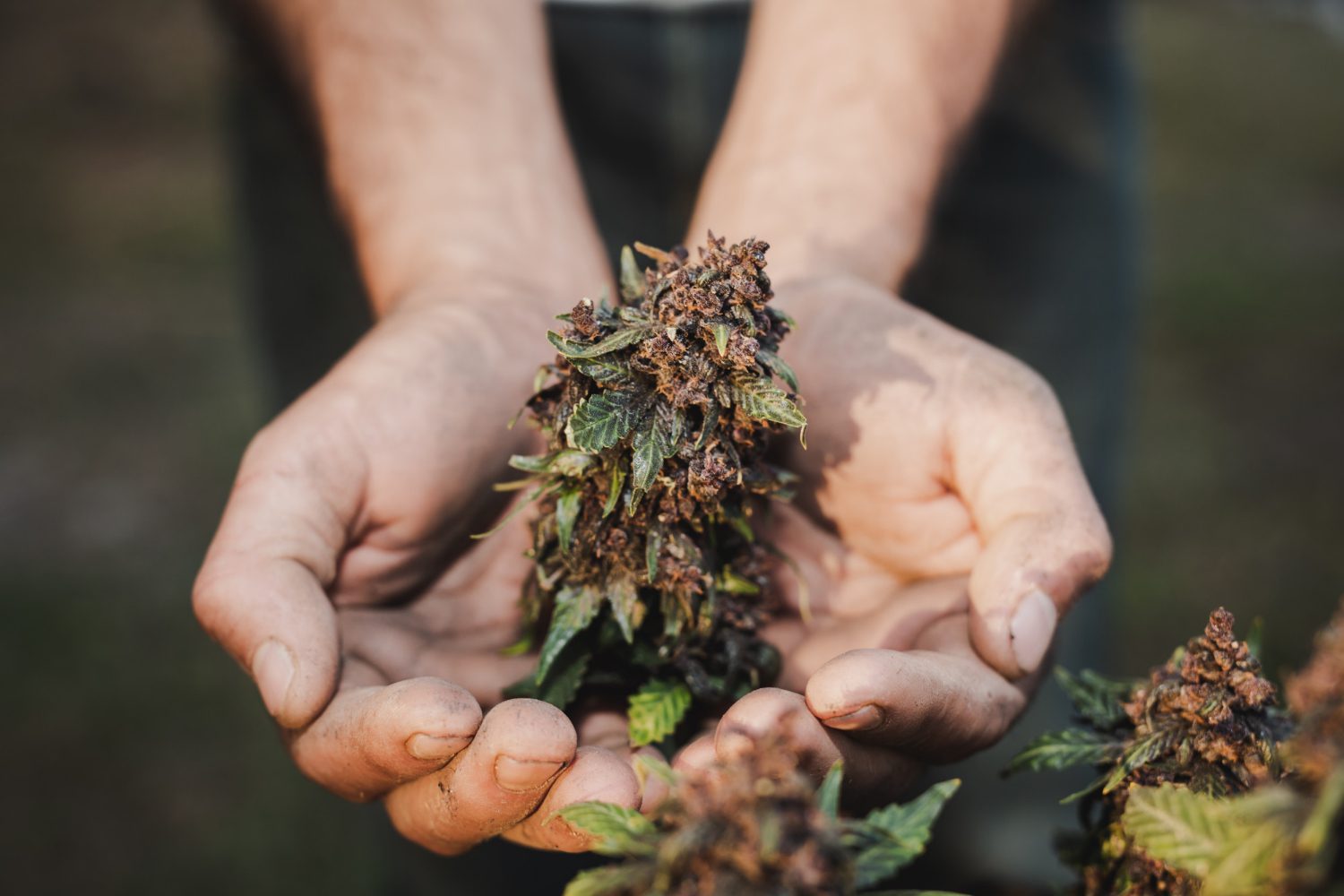

The Complete Guide to THCA: What Is It, How Does It Work, and Why Is It Gaining Popularity?
Have you ever wondered what's behind the mysterious acronym THCA, which is increasingly appearing in discussions about cannabis? You may have heard of THC, associated with marijuana's psychoactive effects, but THCA is a completely different story—one that's incredibly fascinating and full of potential. In this article, we'll explore exactly what THCA is, how it works, and why its popularity is growing among both cannabis enthusiasts and those seeking natural health solutions.
What is THCA? Scientific Background and Context
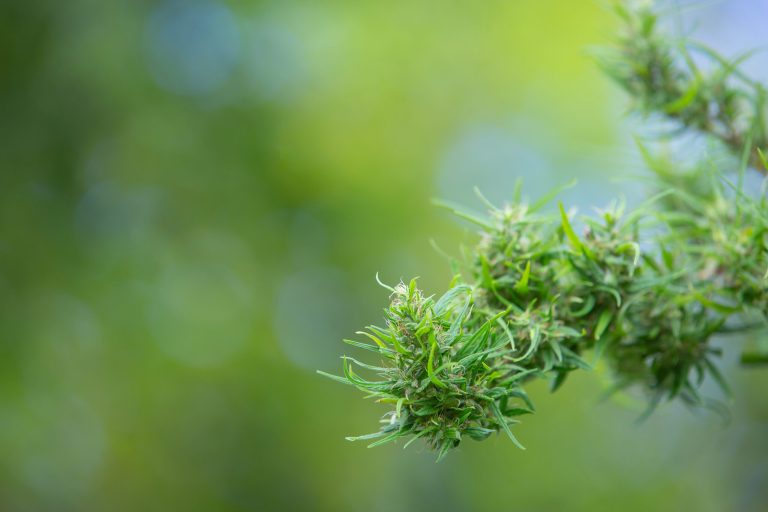
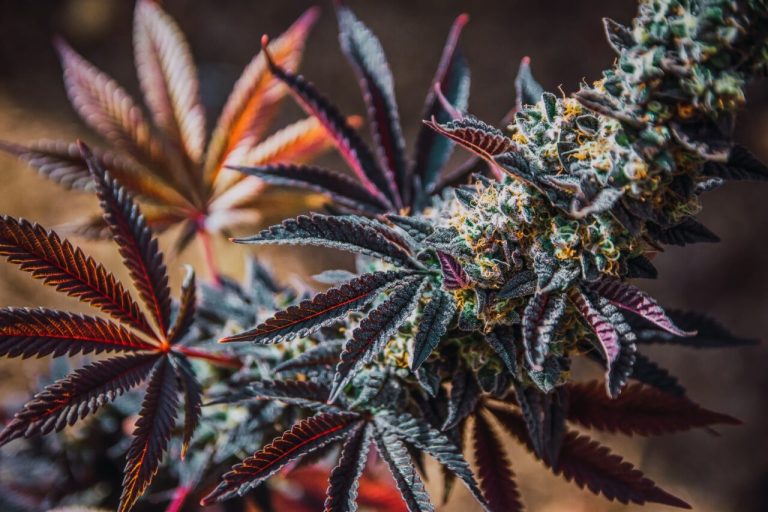
THCA, or tetrahydrocannabinolic acid, is a natural, non-psychoactive precursor to THC, the main compound responsible for the "high" effect of marijuana. In the botanical world of cannabis, THCA is found in the fresh, unprocessed flowers of the plant and is the acidic form, which does not produce psychoactive effects.
In short, THCA is "inactive" until it undergoes decarboxylation, a process that converts THCA into psychoactive THC. This is why raw cannabis flowers don't produce a high, and only heating (smoking, vaporizing, cooking) releases the THC and its effects.
THCA Biochemistry – How is it Made and What Makes it Different?
In the cannabis plant, THC isn't produced immediately. First, THCA acid is biosynthesized, which, over time and under the influence of external factors (temperature, light), transforms into THC. This acid form has unique properties that differ from regular THC—it doesn't have a psychoactive effect, but it does have potential therapeutic benefits, which are being increasingly studied by scientists.
THCA vs. THC: Key Differences You Need to Know
| Characteristic | THCA | THC |
|---|---|---|
| Psychoactive activity | Non-psychoactive | Psychoactive |
| Chemical form | Acidic | Neutral |
| Occurrence | Fresh and raw hemp flowers | After heating/decarboxylation |
| Action | Potential healing and anti-inflammatory properties | Psychoactive, analgesic, euphoric effect |
Why is this difference so important?
Understanding the differences between THCA and THC allows for a better understanding of the cannabis products available on the market and their applications. For those interested in health benefits without the psychoactive effects, THCA is an interesting alternative. However, consumers seeking a classic intoxicating effect should know that the product must be decarboxylated.
The Decarboxylation Process: The Secret of Turning THCA into THC
It all starts with heat. Decarboxylation is a chemical reaction in which acidic THCA loses its carboxyl group, transforming into THC. This process occurs naturally when smoking, vaporizing, or cooking cannabis in oils and is crucial for unleashing the plant's psychoactive potential.
In practice, if you want a psychoactive effect, you need to heat the flowers to activate the THC. However, if you're looking for the therapeutic properties of THCA, consider consuming raw or gently heated products, which retain this acid form.
How to decarboxylate yourself?
- Preheat oven to approximately 110-120°C.
- Crumble the fresh hemp flowers and spread them evenly on a baking sheet.
- Bake for 30-40 minutes, stirring every 10 minutes to ensure even baking.
- Once cooled, the flowers are ready for further processing or consumption.
This simple home process is the basis for producing homemade extracts, oils, and edible hemp products.
THCA Legality – What Does the Law Say?
In the cannabis market, we often encounter questions like: Is THCA legal? The answer is ambiguous and depends on the country and local regulations.
US Federal Perspective
In the United States, a key piece of legislation is the 2018 Farm Bill, which defines "hemp" as a plant with a THC content not exceeding 0.31 TP3T by dry weight. Raw flower containing THCA, which could exceed this THC limit after decarboxylation, has become the subject of legal and regulatory controversy.
Statewide patchwork of regulations
Many states have their own, sometimes very different, regulations regarding THCA and cannabis products. In some places, selling products with high THCA concentrations is legal, provided they contain no active THC, while others impose stricter restrictions or outright bans.
For consumers, this means carefully checking local laws, especially when shopping online or traveling interstate.
Why is THCA gaining so much popularity?
In recent years, we've seen a significant increase in interest in THCA in the cannabis market. The reasons are diverse and encompass health, legal, and consumer considerations:
- Non-psychoactivity: THCA allows you to enjoy the properties of cannabis without the intoxicating effect, which is important for people who work or lead an active lifestyle.
- Potential health benefits: Research indicates THCA has anti-inflammatory, neuroprotective, and antiemetic effects, which is attracting medical and patient attention.
- Legal regulations: THCA is gaining popularity as a „legal” form of cannabis in many jurisdictions, leading manufacturers to eagerly offer products based on this form.
- Innovative products: From dried herb, through pre-rolls, to e-liquid for vaporizers, THCA is used in a variety of forms, making it easier for a wide range of consumers to access.
How to Use THCA Products? Practical Tips
Products containing THCA are available in many forms, allowing them to be tailored to individual needs and preferences:
- Raw dried fruit: You can use it to prepare infusions or consume it as an addition to a smoothie, retaining its full acidity.
- Vaporization: At lower temperatures (below 120°C), vaporization allows THCA to be inhaled without decarboxylation to THC.
- Edible products: Oils, capsules, and gummies containing THCA are convenient forms of administration, but it is worth paying attention to the method of preparation to avoid accidental conversion to THC.
- Creams and ointments: Topical application of THCA products may support anti-inflammatory and pain-relieving effects.
THCA Storage Best Practices
To maintain the freshness and stability of THCA, store products in a cool, dry, and dark place. Avoid excessive light and high temperatures, which accelerate decarboxylation.
Potential Health Benefits of THCA – What Does Science Say?
Although research on THCA is still in its early stages, early results point to many promising applications:
- Anti-inflammatory properties: THCA may help reduce inflammation, which is important for people with autoimmune diseases or chronic pain.
- Neuroprotection: Research shows that THCA can protect nerve cells from degeneration, which opens up possibilities for the treatment of neurodegenerative diseases.
- Antiemetic action: It helps reduce nausea, which is especially valuable for patients undergoing chemotherapy.
- Support for the immune system: It modulates the immune response, which may be beneficial in various immune system dysfunctions.
However, it is worth remembering that despite the growing number of studies, THCA is not yet an officially approved drug and its use should be under the supervision of a specialist.
THCA FAQs
1. Is THCA legal in all US states?
No, the legality of THCA varies depending on local laws. It's always worth checking the regulations in your area.
2. Does THCA cause psychoactive effects?
No, THCA itself does not cause a high. The psychoactive effect only occurs when heated and converted to THC.
3. Can THCA cause a positive drug test?
While some tests can detect THCA, most tests focus on the presence of THC and its metabolites. The risk of a positive result is lower, but not zero.
4. Is THCA the same as CBD?
No, THCA and CBD are different chemical compounds found in cannabis. CBD is also non-psychoactive, but it has different properties and mechanisms of action.
5. What percentage of THCA is good in a product?
It depends on individual needs, but products containing around 10-20% THCA are considered high quality and effective.
Summary: Why is it worth knowing THCA?
THCA is a fascinating compound that significantly expands the scope of cannabis applications. It offers the ability to enjoy the plant's benefits without the psychoactive effects, which is particularly important for those seeking natural health relief and alternative therapies. Furthermore, the growing popularity of THCA demonstrates how dynamic and innovative the cannabis market is, adapting to the needs of modern consumers.
If you're interested in cannabis or looking for new health solutions, it's worth taking a closer look at THCA and its possibilities – this molecule will certainly be a topic of conversation and research for a long time to come.
We encourage you to continue to learn more about THCA and consciously choose the products that best meet your needs and expectations.